The Journey of Detachment: How to Simplify Your Life Through Minimalism

The Path to a Simpler Life
In today’s fast-paced world, clutter seems to be the norm. Society often places a premium on material success, resulting in the accumulation of possessions, commitments, and digital distractions that can leave individuals feeling overwhelmed. However, there is an increasing movement advocating the idea that simplifying your life could lead to greater fulfillment and happiness.
Embracing minimalism offers a path to reclaiming peace and clarity amidst the chaos. Minimalism is not merely about owning fewer things; it’s a holistic lifestyle that encourages prioritizing what truly matters while letting go of excess. This way of living is encapsulated in several key principles:
- Decluttering: This involves removing unneeded items from your home or workspace, creating an environment that feels calming rather than chaotic. Think of Marie Kondo’s famous decluttering method, which encourages you to keep only those items that “spark joy.”
- Intentional Living: Minimalism urges individuals to make conscious choices about consumption. This includes evaluating what enters your life, from possessions to commitments—only keeping those that serve a significant purpose.
- Mindfulness: Central to minimalism is the practice of focusing on experiences over possessions. It advocates for living in the moment, which can improve mental well-being and foster gratitude.
Many who adopt minimalism discover that detaching themselves from material things opens doors to new opportunities for happiness. Instead of accumulating ‘stuff’, minimalists often find joy and fulfillment in:
- Time spent with loved ones, free from the distractions that come with excess possessions.
- Experiences that enrich the soul, such as traveling, pursuing hobbies, or simply enjoying nature. For example, a weekend camping trip with friends may feel far more rewarding than an afternoon spent shopping.
- A clearer mind to pursue passions; less clutter can lead to a capacity for creativity and deeper engagement in one’s interests, whether it be painting, writing, or other creative endeavors.
Embarking on this journey of detachment requires courage and introspection. It invites you to question societal norms that value accumulation over mindfulness and encourages seeking deeper connections in daily life. Instead of measuring success by material possessions, minimalism challenges individuals to reflect on what genuinely contributes to their happiness.
Are you ready to explore how a minimalist lifestyle can transform your existence? This journey might not only lead to a more organized home but also to a more fulfilled and purposeful life. By rediscovering what is essential, you may just find the freedom that comes with having less.
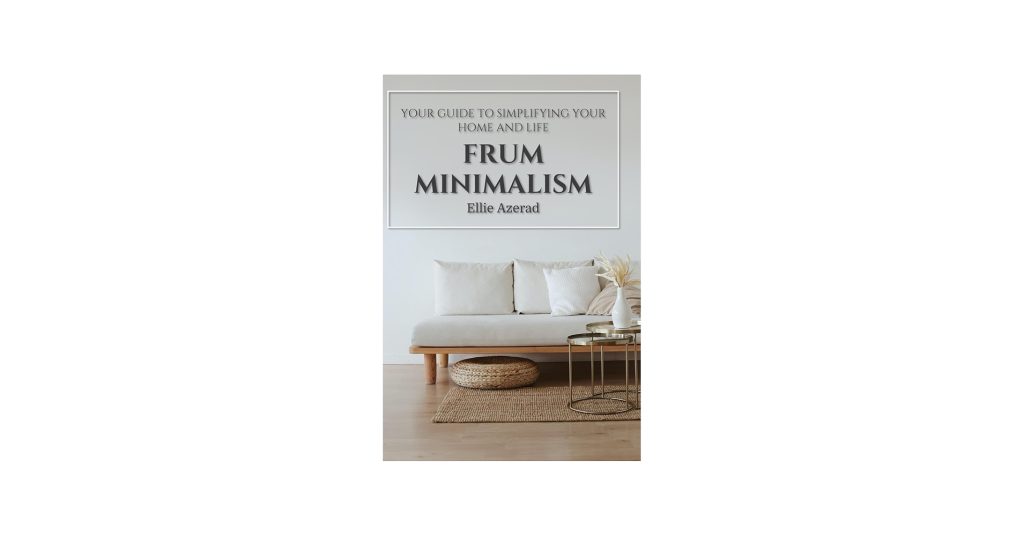
DIVE DEEPER: Click here to uncover more insights
Understanding Minimalism: The Philosophy Behind the Practice
At its core, minimalism revolves around the intentional practice of simplifying one’s life by eliminating the non-essential. It challenges individuals to reassess the things they own, their obligations, and their daily habits, encouraging a profound reevaluation of what truly contributes to happiness and fulfillment. This journey of detachment offers far more than just the visual benefits of a tidy home; it lays the groundwork for a more profound understanding of oneself and one’s priorities.
The allure of minimalism lies in its ability to cultivate a sense of freedom. As one begins to declutter, both physically and mentally, a clearer perspective emerges. This allows individuals to focus on what adds value to their lives rather than what merely distracts. By embodying minimalism, you’re not just adopting a cleaner aesthetic; you’re embracing a transformative approach to everyday living.
Transitioning to a minimalist lifestyle may seem daunting, but it can start with small, manageable steps. Here are some practical strategies to ease into minimalism and guide you on your journey:
- Start Small: Choose a single area to declutter, such as a closet or a desk. Tackle just a few items at a time, allowing yourself to process your decisions without feeling overwhelmed.
- Establish Categories: Group items into categories: keep, donate, recycle, or discard. This systematizes the decluttering process and clarifies what you truly need in your life.
- Create a One-In, One-Out Rule: For every new item you bring into your space, commit to letting go of an existing item. This not only prevents future accumulation but reinforces the value of each possession.
- Reflect on Your Values: As you begin to let go of material possessions, take time to visualize what genuinely matters to you. Consider how your time and energy can be better spent on experiences and relationships rather than on objects.
As Americans navigate a culture that often glorifies consumerism, the journey to minimalism becomes a powerful act of self-awareness. This philosophy encourages individuals to challenge outdated beliefs that link self-worth with material accumulation. By illustrating the connection between detachment and personal fulfillment, minimalism fosters greater appreciation for life’s simple pleasures, whether that be a warm cup of coffee on a quiet morning or a shared laugh with friends.
Ultimately, the process of embracing minimalism invites you to reclaim agency over your life. By refocusing on what you have rather than what you lack, you begin to experience the profound joy that arises from simplicity. Each step towards minimalism is a step toward personal growth and emotional clarity, allowing you to design a life that speaks to your true self.
| Aspect | Description |
|---|---|
| Clarity of Purpose | By adopting minimalism, you increase your focus on what truly matters, enhancing your life direction. |
| Reduced Stress | Eliminating unnecessary clutter leads to a more tranquil living environment, reducing anxiety and creating a sense of peace. |
| Financial Freedom | Less focus on material possessions can lead to better financial decision-making, enabling savings and wiser investments. |
| Improved Relationships | Focusing on experiences rather than things strengthens connections with friends and family, enhancing emotional fulfillment. |
Embracing minimalism is more than just a trend; it’s a profound shift in lifestyle choices that encourages individuals to break free from the constraints of consumerism. When you prioritize simplicity, you create space for meaningful interactions and experiences. Reducing excess allows one to appreciate the richness of life without being overwhelmed by responsibilities and distractions. The idea of detachment is not about depriving oneself but rather about intentionally selecting what adds genuine value to your journey.As you explore minimalism, you may find that your overall well-being improves. The effects of this lifestyle change ripple through various aspects of life, including mental health, relationships, and even productivity. The concept invites you to reflect on your possessions and make conscious choices that align with your values, leading to a more fulfilling existence.
DISCOVER MORE: Click here to learn about the power of community in decluttering</
Embracing the Minimalist Mindset: Shifting Perspectives
To fully engage in minimalism, one must cultivate a mindset that embraces simplicity as a core value. This transformation begins with understanding that minimalism is not solely an aesthetic choice; it is a mindset shift that redefines how we view our lives, our possessions, and our sense of fulfillment. By adopting a minimalist approach, individuals can foster a deeper connection with themselves and the world around them.
One powerful aspect of minimalism is the ability to incorporate mindfulness into daily routines. Practicing mindfulness encourages individuals to remain present and attentive to their thoughts and emotions, which can lead to more informed decision-making regarding what to keep in their lives. Meditation and journaling are fruitful practices in this vein, allowing for deeper exploration of oneself and the motivations behind accumulation.
Another essential element of the minimalist mindset is recognizing the impact of societal expectations on personal choices. The consumer-driven culture perpetuates a cycle of accumulation that can be difficult to break. For instance, marketing messages often persuade individuals that happiness is available through the next big purchase, be it the latest smartphone or a designer wardrobe. By questioning these societal narratives, one can liberate themselves from consumer pressures and redirect their focus towards more sustainable opportunities for joy.
Navigating Relationships: Quality Over Quantity
Minimalism also extends beyond physical items to the relationships and commitments in our lives. It invites individuals to evaluate the quality of their connections rather than the quantity. Are the people in your life supporting your journey, or are they adding to your sense of overwhelm? This evaluation leads to enriching relationships that align with your values and aspirations.
Consider hosting a “contact cleansing” session where you assess your social media connections, email contacts, and even personal relationships. Remove those that add little value or joy. Furthermore, be intentional with your time. Allocate resources to nurture relationships that matter most, allowing those connections to flourish without the burden of unnecessary social obligations.
Experiences Over Possessions
Another vital aspect of minimalism is the focus on experiences rather than possessions. Research shows that experiences, such as travel or taking part in community events, contribute more significantly to long-term happiness than acquiring new material goods. When prioritizing experiences, you begin to build memories and stories that enrich your life rather than contributing to clutter.
- Plan Time for Adventure: Set aside time in your calendar to explore new activities, volunteer, or engage in hobbies. The fulfillment gained from these experiences often far outweighs that of any purchased item.
- Invest in Learning: Spend your resources on classes, workshops, or seminars that spark your interests. This investment in personal growth can lead to new opportunities and enhance overall satisfaction.
- Document Moments: Consider keeping a gratitude journal to track experiences that bring you joy. This practice not only reflects on positive moments but also emphasizes the value of life’s intangible treasures.
By shifting the focus from material possessions to experiences, you not only simplify your life but also cultivate a profound appreciation for the moments that make it truly meaningful. This embrace of the minimalist mindset leads to a life characterized by intentionality and a deeper alignment with one’s core values—like a breath of fresh air amidst the chaos of consumer culture.
DIVE DEEPER: Click here to discover more about intentional consumption
Conclusion: A Transformative Path to Fulfillment
The journey of detachment through minimalism offers an enriching path toward simplifying one’s life while enhancing overall well-being. As we have explored, embracing a minimalist mindset promotes a shift in perspective that encourages individuals to prioritize what truly matters—be it values, relationships, or experiences. Rather than succumbing to societal pressures and the relentless cycle of consumption, minimalism advocates for mindfulness in our choices, creating a more intentional, fulfilling existence.
Importantly, the practice of minimalism extends beyond merely reducing clutter. It involves assessing and nurturing meaningful connections, focusing on the quality of our relationships. As we discern who supports us and who adds unnecessary stress, we can cultivate a supportive circle that aligns with our goals and aspirations. Additionally, by emphasizing experiences over possessions, we allow ourselves to invest in moments that nourish our souls—whether through travel, learning opportunities, or shared activities that create lasting memories.
Ultimately, simplifying your life through minimalism is not a one-size-fits-all solution but a personal voyage that requires reflection and courage. As you embark on this journey, remember that the pursuit of a minimalist lifestyle is about creating space—both physically and mentally—for growth, joy, and authenticity. In a world increasingly overwhelmed by materialism, minimalism serves as a refreshing reminder that true fulfillment often lies in the simplest of things. Embrace this transformative path, and you may just discover a life that resonates with clarity, purpose, and profound happiness.
Related posts:
How to Create a Regular Decluttering Routine to Maintain a Simple Lifestyle
The Role of Technology in Simplicity: Digital Tools to Organize and Simplify Life
The Role of Conscious Consumption in Minimalism and Simple Living
The Importance of Multifunctional Spaces in a Simple Lifestyle
How Minimalism Can Transform Our Personal Relationships
The Relationship Between Minimalism and Sustainability: Living with Less to Protect the Planet

Linda Carter is a writer and pet care expert specializing in pet health, grooming, and wellness. With extensive experience helping pet owners create safe, loving, and enriching environments for their animals, Linda shares her knowledge on our platform. Her goal is to empower readers with practical advice and strategies to ensure their pets thrive and lead joyful, healthy lives.