Creating Coexistence Zones: How Minimalism Can Transform Shared Environments into Functional Spaces

The Power of Minimalism in Shared Spaces
In today’s rapidly changing landscape, the concept of functional shared environments is paramount. More than just physical designs or layouts, these spaces embody the spirit of community collaboration and resource-sharing. As urban living continues to evolve, the emphasis on creating coexistence zones where individuals can thrive together grows increasingly important. One compelling methodology in achieving this is through the lens of minimalism, which encourages simplicity and sustainability.
Consider the example of a community center. When designed with minimalistic principles in mind, it can become a hub of interaction rather than just a building. Spaces devoid of unnecessary clutter not only look aesthetically pleasing but also foster an atmosphere where creativity can flourish. In the context of minimalism, every space is carefully curated to enhance productivity and strengthen connections among members.
Benefits of Minimalism in Shared Environments
Minimalism manifests itself in various forms, all aiming to enhance the overall functionality of shared spaces. Here are some key benefits:
- Efficient use of space: A decluttered environment allows individuals to think more clearly and creatively. For instance, coworking spaces that prioritize open layouts and natural light have been shown to improve mental health and creative output.
- Shared resources: Communities benefit greatly from having access to shared tools, books, or even kitchens. This not only cuts costs but also promotes a culture of sharing. For example, tool libraries are a growing trend across the U.S., allowing individuals to borrow items they need but may not want to purchase.
- Flexible layouts: Spaces designed to be adaptable can easily cater to various activities, from community meetings to family gatherings. Movable furniture and modular designs can redefine how individuals use their space based on their current needs.
By embracing minimalism, we can shift our focus from material possessions to meaningful connections. The philosophy encourages us to reflect on how our environments can provide deeper satisfaction and improved well-being. For instance, when we prioritize intentionality, we bring purpose to each item and arrangement in our shared spaces.
Fostering Community Connections
Moreover, minimalism enhances our daily interactions by fostering a sense of connection. Spaces that encourage collaboration often lead to stronger community ties as members engage in shared experiences. Whether it is a potluck dinner in a communal kitchen or art events in a community center, such shared activities help cultivate relationships that transcend mere acquaintance.
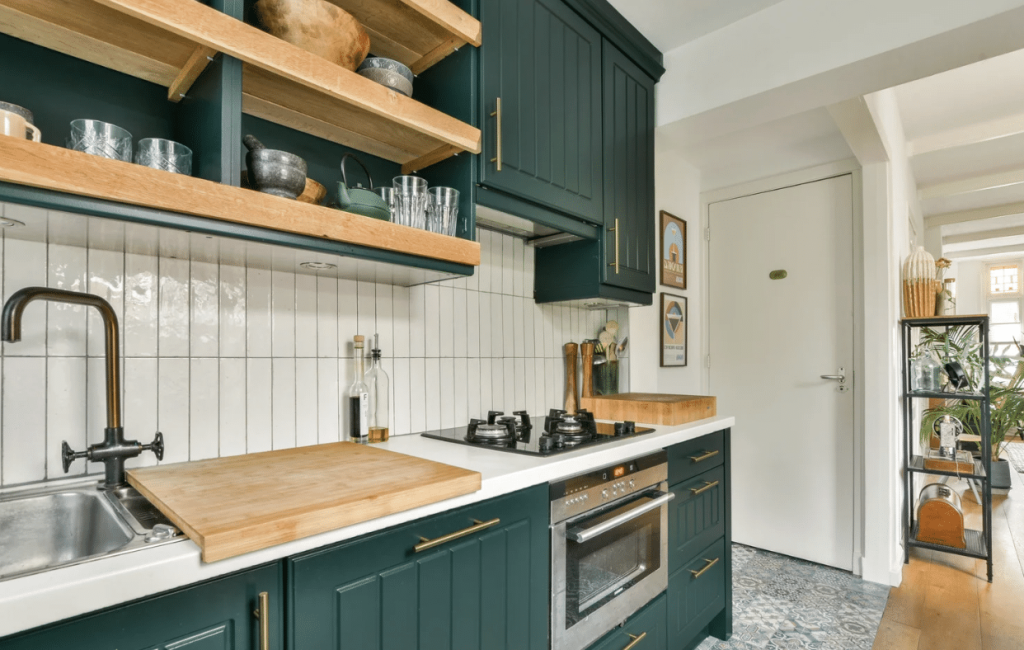
Importantly, minimalism also promotes mindfulness, creating an ambiance that reduces stress and allows individuals to feel grounded. Calmer, uncluttered environments make it easier for people to focus on each other rather than the distractions around them, contributing to healthier social dynamics.
As we delve deeper into exploring how minimalism can transform our shared spaces, come along to discover practical strategies and real-life examples of transformation. This journey is not just a design overhaul; it is about redefining how we coexist and enhance social interactions within our environments. In doing so, we open the door to a future where collaboration and community truly thrive.
DISCOVER MORE: Click here to learn about conscious consumption
Creating Intentional Spaces through Minimalism
To fully embrace the concept of creating coexistence zones, we must recognize the fundamental role that intentional design plays in shared environments. Minimalism acts as a guiding principle that sharpens our focus on what truly matters—functionality, accessibility, and relationships. By stripping away the unnecessary, we allow for environments that are not only inviting but also conducive to cooperation and engagement.
Research indicates that the physical space significantly influences our behavior and interactions. For instance, a study published in the Journal of Environmental Psychology found that individuals in minimalistic settings reported greater levels of satisfaction and engagement compared to those in cluttered environments. This finding strengthens the case for adopting minimalism when designing coexistence zones, especially in urban areas where space is often limited.
Essential Elements of Minimalist Design
When crafting functional shared spaces, there are several key elements that minimalism embraces:
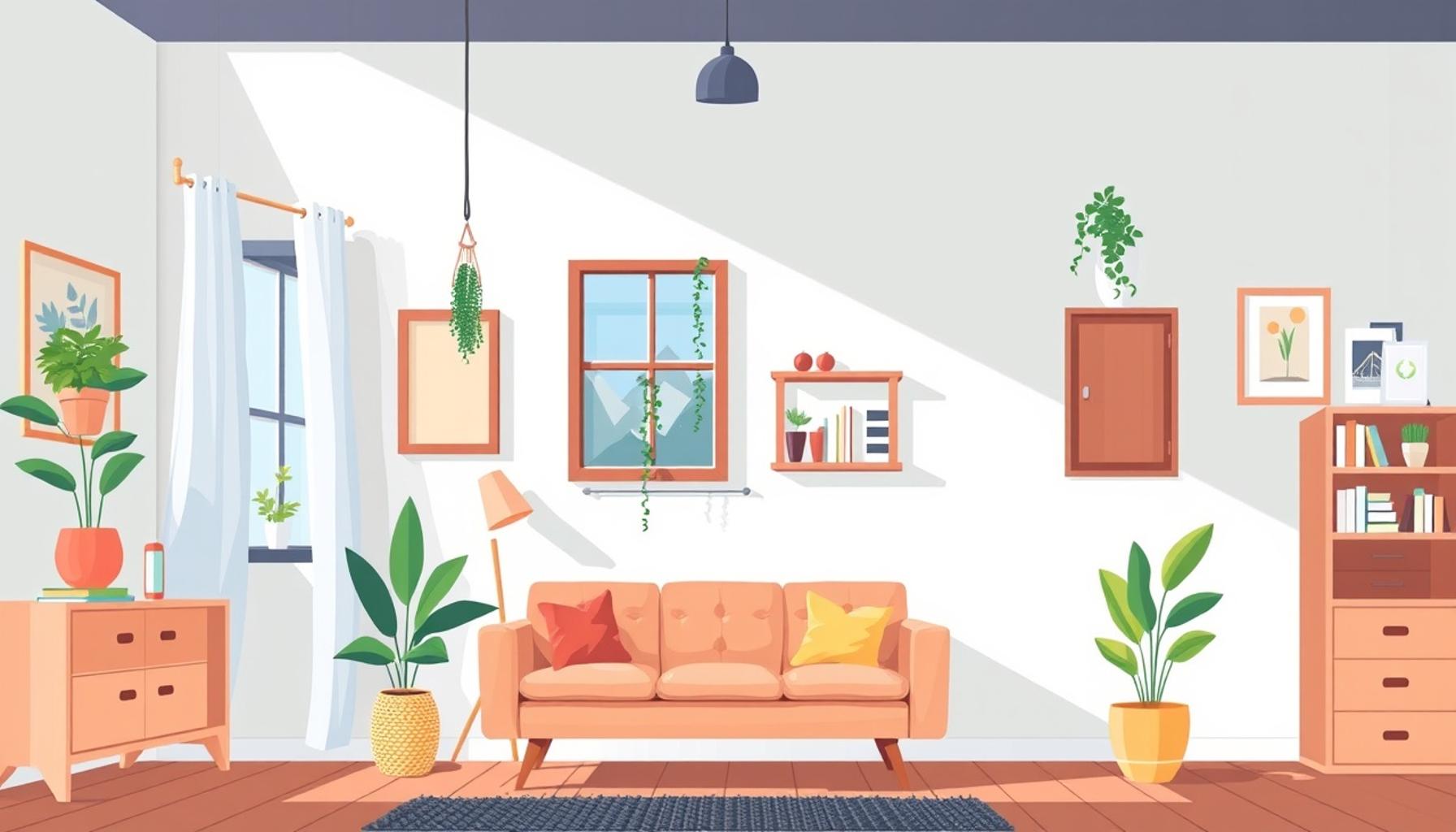
- Natural Light: Access to natural light not only enhances mood but also improves productivity. Large windows and open layouts in venues like shared offices or community gardens can create environments where people feel energized and connected.
- Simplicity in Furnishings: The ability to easily rearrange furniture promotes flexibility and encourages groups to adapt the space for various activities. Lightweight, modular furniture pieces can turn a quiet reading area into an engaging workshop space in moments.
- Neutral Color Palettes: Using soft, neutral tones contributes to creating a calm atmosphere. This aesthetic helps reduce sensory overload, allowing individuals to engage more deeply with each other rather than their surroundings.
The integration of these elements highlights minimalism’s capacity to nurture environments that foster meaningful interactions. As our society becomes increasingly urbanized, the pressure on shared spaces to accommodate diverse needs intensifies, making such design choices not just beneficial but essential.
A prime example can be seen in the development of community co-op spaces throughout major metropolitan areas, where these principles have led to successful implementations. Such spaces often serve as multipurpose centers, from hosting local markets to providing classes and workshops, thereby reflecting the ethos of co-creation and inclusivity. As communities embrace these designs, they are not merely enhancing their physical spaces; they are cultivating a sense of ownership and shared purpose among residents.
In the coming sections, we will explore further how the application of minimalism can lead to increased productivity and enhanced social cohesion within coexistence zones. By prioritizing the essentials, we pave the way for spaces that not only function efficiently but also enrich the lives of the individuals they serve.
Creating Coexistence Zones: The Power of Minimalism in Shared Spaces
In today’s fast-paced world, the concept of coexistence zones has gained remarkable traction, particularly as urban environments continue to evolve. Minimalism serves as a foundational approach in this transformation, offering a pathway to create functional spaces that not only appeal aesthetically but also promote harmony among various users. By eliminating unnecessary clutter, minimalism paves the way for an organized environment that encourages collaboration and interaction.
The Principles of Minimalist Design
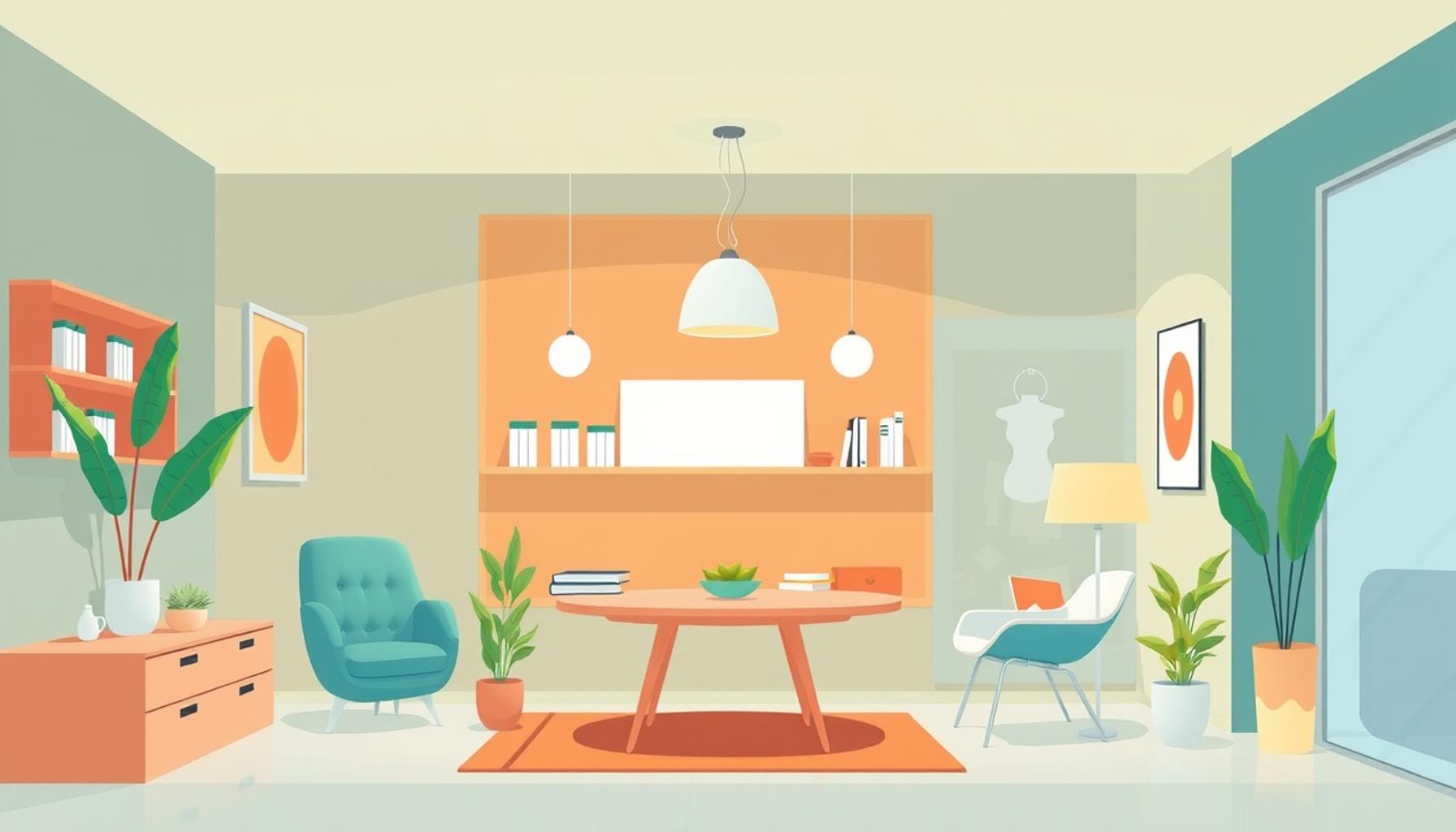
Minimalist design principles emphasize simplicity and functionality. Shared spaces that integrate these principles foster effective communication among occupants. For instance, with fewer distractions, individuals can focus on interactions rather than being overwhelmed by their surroundings. Additionally, minimalist elements—such as natural light, an open layout, and a cohesive color palette—enhance the atmosphere, making it conducive to both productivity and relaxation.
Enhancing User Experience
The essence of coexistence zones lies not just in how a space looks, but how it feels. Minimalism encourages a sense of tranquility and order, which can significantly improve user experience. For example, well-placed communal seating areas created through minimalist design afford users a sense of unity. In these spaces, people from varied backgrounds can engage and collaborate effectively without the divisions often created by excessive decor. Furthermore, by promoting shared ownership of these zones, individuals develop a stronger sense of community.
Environmental Impact and Sustainability
In addition to enhancing social interaction, embracing minimalism in shared environments contributes to environmental sustainability. By focusing on what is necessary and ensuring quality over quantity, fewer resources are consumed in the creation and maintenance of these spaces. This not only leads to a reduction in waste but also highlights the importance of conscious consumption—a crucial element in today’s climate-conscious society.As communities look towards designing spaces that reflect their values and enhance social cohesion, the principles of minimalism provide a compelling framework. By prioritizing functionality and simplicity, coexistence zones become versatile areas that adapt to the changing needs of their users, ultimately enriching the shared experience.Additionally, integrating technology with minimalist design can further enhance the functionality of these spaces. Smart solutions like app-enabled communal resources, adjustable lighting, and multifunctional furniture offer innovative approaches to meet the diverse needs of the community, making these coexistence zones ever more dynamic.The potential of minimalism in transforming shared environments into functional and harmonious coexistence zones is immense. Exploring further examples and applications could yield valuable insights into creating spaces that foster collaboration and enrich everyday interactions among individuals.
DISCOVER MORE: Click here to learn how intentional consumption can transform your organization efforts
Enhancing Community Engagement through Minimalist Design
One of the most compelling reasons to adopt minimalism in creating coexistence zones is its profound impact on community engagement. The design choices we make affect not just how people interact with their environment, but also how they relate to one another. Spaces that emphasize minimalism naturally foster connectivity. In doing so, they support a community-centric ethos that can lead to deeper relationships among individuals.
Data from urban planning studies show that shared environments designed with minimalism result in higher attendance rates for community events. According to the American Planning Association, well-designed multifunctional spaces that prioritize open areas for gathering can increase participation by up to 40%. This statistic underscores the necessity for urban planners and community leaders to take a minimalist approach when developing new public spaces.
Flexibility as an Essential Component
At the heart of minimalist design is the concept of flexibility. Coexistence zones must be adaptable to different activities and uses, accommodating everything from art exhibits to farmers’ markets. By incorporating movable walls or convertible furniture, these shared areas can transition effortlessly between different purposes. This adaptability not only maximizes the use of space but also encourages diverse groups to engage within the same environment.
A case in point is the Hudson River Park in New York City, which has successfully integrated minimalist design principles. The park features open lawns that can host concerts, sports events, and picnics, creating a venue that brings together various demographics while promoting social interactions. The result is a vibrant ecosystem in which residents cherish shared experiences without the distraction of unnecessary clutter.
- Technology Integration: Minimalist design also extends to the functionality of shared spaces through technology. Smart lighting systems and wi-fi hotspots can be seamlessly incorporated, enhancing accessibility and inviting users to stay longer while connecting with others.
- Nature Elements: Incorporating elements such as greenery and water features further contributes to a tranquil atmosphere. Biophilic design not only enhances aesthetic appeal but also provides stress relief, allowing individuals to feel more at ease in the presence of others.
Furthermore, minimalist environments help mitigate social barriers. By creating open, inviting spaces that transcend formal boundaries, individuals are more likely to engage with those outside their usual social circles. Research from the University of California, Los Angeles supports this notion, indicating that individuals in minimalist settings are 30% more likely to initiate conversations with strangers compared to those in more ornate environments.
In the age of remote work and digital interactions, fostering real-world connections in communal spaces is more critical than ever. The minimalist ethos encourages us to engage with our surroundings and each other in meaningful ways. Through conscious design choices, we can build coexistence zones that stimulate productivity, promote well-being, and enrich community life. The potential for transformation is vast, pointing towards a future where shared environments have the power to shape human interactions positively.
DISCOVER MORE: Click here to learn about intentional consumption
Conclusion: The Future of Shared Spaces Through Minimalism
In conclusion, creating coexistence zones through minimalist design principles stands as a transformative approach to enhancing shared environments. By prioritizing simplicity and functionality, we can craft spaces that not only reduce visual clutter but also deepen community connections. As highlighted, research indicates that minimalist areas significantly boost engagement and participation in communal activities, reinforcing the idea that design matters in shaping social interactions.
The essence of minimalist design lies in its flexibility, enabling environments to adapt seamlessly to various uses. This adaptability encourages diverse demographics to share experiences, cultivating a sense of belonging and mutual understanding. The successful example of the Hudson River Park serves as an inspiration, illustrating how thoughtfully designed spaces resonate with a community’s needs while promoting social cohesion.
Moreover, the integration of technology and nature enhances the functional appeal of these coexistence zones, making them inviting and accessible. From smart lighting to greenery, every element plays a vital role in fostering an enriching atmosphere, essential in our increasingly digital world.
As we move forward, it is imperative for urban planners, community leaders, and designers to embrace minimalism as a core philosophy in developing shared spaces. The implications are profound: not only do minimalist environments promote well-being, they also create opportunities for genuine connections among individuals. Ultimately, the future of shared environments hinges on our capacity to transform them into functional, welcoming spaces that nurture community spirit and collaborative interactions.
Related posts:
Decluttering and Space Efficiency: Strategies for a More Organized Life
Transforming Vertical Space: Utilizing Walls for Maximum Efficiency in Minimalist Homes
The Art of Minimalist Zoning: Creating Functional Areas in Limited Spaces
Maximizing Small Spaces: Minimalist Storage Strategies
The Psychology of Space Efficiency: How Minimalism Affects Our Well-Being
Digital Organization: How Minimalism Can Optimize Your Virtual Space

Linda Carter is a writer and pet care expert specializing in pet health, grooming, and wellness. With extensive experience helping pet owners create safe, loving, and enriching environments for their animals, Linda shares her knowledge on our platform. Her goal is to empower readers with practical advice and strategies to ensure their pets thrive and lead joyful, healthy lives.