The Influence of Intentional Consumption on Time Management in Minimalist Practices

Understanding the Dynamics of Consumption and Time Management
The modern landscape of consumption is rapidly evolving, influenced by our hectic lifestyles and the constant barrage of marketing messages. Strategies for intentional consumption have become essential, particularly within the context of the minimalist movement, which seeks to streamline our possessions and focus on what genuinely enriches our lives. This deliberate practice not only impacts our financial health but also allows for more effective time management, reshaping how we navigate our daily routines.
One of the standout benefits of minimalism is clutter reduction. When individuals minimize their belongings, their living and working spaces become less chaotic, allowing for enhanced focus and quicker decision-making. For instance, a clutter-free desk can lead to improved productivity, as it eliminates the distractions inherent in a disorganized environment. In contrast, an individual surrounded by miscellaneous items may find themselves spending precious moments searching for essential tools or documents, time that could otherwise be dedicated to creative or productive tasks.
Additionally, when people embrace minimalism, they often engage in prioritization of their purchases. This means identifying and investing in items that align with personal values and needs. For example, someone committed to sustainability might choose to invest in high-quality, eco-friendly clothing rather than fast fashion. By doing so, they not only save time in the long run—fewer, but higher-quality items lead to less frequent shopping trips—but they also cultivate a lifestyle that reflects their principles, thereby adding more meaning to their purchases and life overall.
Mindfulness plays a critical role in the process of intentional consumption. By adopting a mindset of awareness and thoughtfulness, individuals can make informed choices about what to buy. This mindfulness may manifest in simple practices such as creating shopping lists or asking oneself, “Do I really need this?” before purchasing. Such techniques not only reduce impulse buys but also free up mental space. The time saved from undisciplined consumption can be redirected towards more fulfilling activities, such as pursuing hobbies or spending quality time with loved ones.
Through embracing intentional consumption, minimalists can significantly enhance their efficiency and create room in their schedules for pursuits that spark joy and foster personal growth. As common paradigms begin to shift towards simplicity and mindfulness, the profound implications of these habits urge society to reconsider the true value of ownership and time. Visitors to this movement may find inspiration in how intentional consumption can revolutionize not just individual routines, but the broader cultural narrative around time management and personal satisfaction. Join us as we explore these revelations, paving the way towards a lifestyle characterized by both simplicity and purpose.
DISCOVER MORE: Click here to dive deeper
The Intersection of Intentional Consumption and Time Efficiency
As we navigate the intricacies of modern life, the concept of intentional consumption serves as a powerful lens through which we can reevaluate our habits. Minimalism encourages individuals to act with purpose when acquiring goods, and this practice extends beyond material possessions to how we manage our time. When we become discerning consumers, we begin to notice that every purchase—and indeed, every decision—can either optimize or obstruct the path to achieving our personal and professional goals.
A pivotal element of this transformation lies in the understanding of time as a precious resource. Many individuals, particularly in the United States, find themselves pressed for time amidst busy schedules filled with work commitments, social obligations, and family responsibilities. This urgency often leads to hasty buying decisions fueled by marketing pressures. However, by adopting an intentional consumption mindset, people are empowered to reclaim their time. The following aspects underscore this relationship:
- Curated Choices: Minimalism fosters a more selective approach to consumption. By choosing to buy only items that add value to their lives, individuals can spend less time sifting through unnecessary goods. A curated wardrobe, for example, allows for quicker outfit decisions, minimizing the time lost in the morning rush.
- Reduced Maintenance: With fewer possessions comes less upkeep. Minimalists spend less time cleaning, organizing, and maintaining items that don’t serve a clear purpose. This reality translates into more time available for personal enjoyment, hobbies, or relaxation.
- Thoughtful Purchase Habits: Intentional consumers often research their purchases thoroughly, focusing on quality over quantity. This practice not only yields satisfaction from well-made items but also means fewer returns and exchanges, which can be incredibly time-consuming.
Moreover, enhanced time management skills emerge from the clarity that minimalism provides. A streamlined environment aids in mental clarity, allowing for better focus and concentration on tasks. For instance, remote workers within the minimalist sphere often report an increase in productivity due to fewer distractions in their workspaces. The act of removing unnecessary items creates a physical and mental space for deeper engagement and creativity.
One prevalent method within the minimalist community is the concept of the 30-day minimalism challenge, encouraging participants to declutter their lives intentionally and gradually over the course of a month. This challenge not only helps in identifying consumer patterns but also builds a habit of mindfulness in consumption. At the end of the challenge, individuals often reallocate the time they have gained from reducing their possessions towards more fulfilling activities or even self-improvement.
In essence, the integration of intentional consumption within a minimalist framework helps individuals redefine their relationship both with material goods and their own time. By actively engaging in mindful purchasing and letting go of what does not serve them, individuals unlock a profound ability to manage time more effectively, paving the way for a liberating lifestyle that prioritizes authenticity and simplicity. As we dive deeper into these principles, it becomes evident that this intentional approach not only reshapes daily routines but also contributes to a broader cultural shift towards valuing time over possessions.
| Advantages | Relevance |
|---|---|
| Enhanced Focus | Minimalist practices foster clarity of thought by reducing distractions, enabling better prioritization of tasks. |
| Time Allocation | With fewer possessions, individuals can spend their time on meaningful activities rather than managing clutter. |
As we delve deeper into the concept of intentional consumption, it’s clear that integrating minimalism not only impacts one’s environment but significantly enhances time management skills. The structure provided by minimalist principles allows individuals to channel their resources effectively, leading to better decision-making processes when it comes to time management.In today’s fast-paced world, many find themselves overwhelmed by obligations and distractions. By engaging in intentional consumption, individuals learn to value quality over quantity, focusing on what truly matters. This clear alignment of goals leads to prioritizing tasks that contribute to personal growth and satisfaction.Moreover, minimalism encourages an aesthetic of simplicity that resonates well within modern living. The act of decluttering can, in itself, be a profound experience—one that redefines priorities and enables a more organized approach to managing time effectively. By emphasizing intentional choices, individuals report improved productivity. Additionally, frameworks such as time blocking become easier to implement when one is not surrounded by superfluous distractions.Embracing minimalism also has implications on mental well-being. With reduced stress stemming from possessions and chaotic environments, individuals can harness their mental energies into focused tasks—promoting not only efficiency but an enriching lifestyle. The intersection of intentional consumption and minimalist practices proves to be fertile ground for both personal awareness and effective time management. Through deliberate choices, individuals can reclaim their schedules and direct their lives toward what they truly value.
DISCOVER MORE: Click here to learn about intentional consumption
The Ripple Effect of Intentional Living on Productivity
Intentional consumption is not merely a personal journey; it has the potential to create a ripple effect, extending to various aspects of life including productivity, mental well-being, and even interpersonal relationships. One of the most compelling benefits of intertwining intentional consumption with minimalist practices is the way it cultivates a mindset focused on efficiency and value—a mindset that can transform how individuals approach their daily tasks.
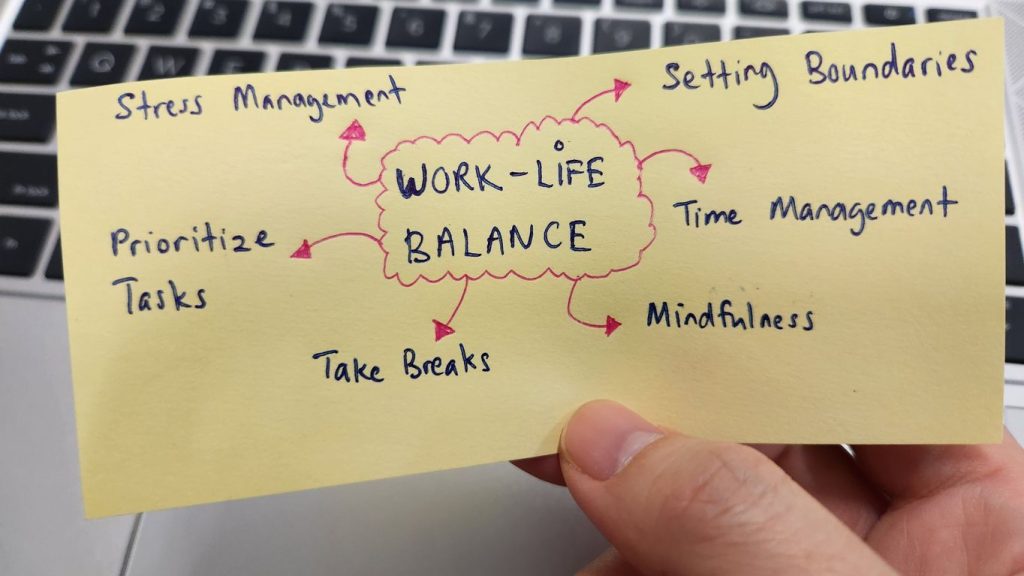
To dive deeper into this phenomenon, consider the role of habit formation. Minimalists often find that simplifying their possessions inspires them to also simplify their schedules. This means setting boundaries around activities that do not bring value or joy. By establishing rules such as a digital sunset that limits screen time or creating no-meeting days during the week, individuals can free up substantial chunks of their time, which can then be reallocated towards projects that align with their goals. Studies reveal that people who prioritize setting boundaries report feeling less overwhelmed and more accomplished, highlighting how intentional living translates into time well spent.
Furthermore, the practice of mindful planning complements a minimalist lifestyle seamlessly. Many individuals find themselves initially drawn to minimalism due to a desire to declutter their physical spaces, but find that the same principles can be applied to their schedules. Investing time in creating weekly or monthly plans encourages clear priorities and minimizes the anxiety that often accompanies last-minute decision-making. A well-structured plan serves as a roadmap, helping individuals navigate their commitments without overextending themselves.
- Emotional Clarity: When individuals intentionally consume and declutter both objects and obligations, they often gain emotional clarity. Focusing on what truly matters allows for a clearer mind, enabling them to engage more meaningfully in their tasks and relationships.
- Quality over Quantity: Just as minimalists strive for a life filled with quality possessions, they also prioritize high-quality experiences. By choosing fewer, more impactful engagements—whether it be fewer social gatherings or more significant work projects—individuals can devote their time and energy more effectively.
- Opportunity Costs: Every commitment entails an opportunity cost, which intentional consumers must weigh carefully. Reflecting on where to direct attention can help avoid burnout and promote a sustainable work-life balance, where individuals can commit to activities that lead to personal or professional growth.
As an illustration, let’s look at the modern gig economy. Many freelancers and entrepreneurs adopt minimalist principles, intentionally choosing clients or projects that resonate with their values. By doing so, they streamline their work, improve job satisfaction, and often see increased productivity. In fact, a survey by Fiverr showed that 70% of freelancers believe that focus on intentional living fosters creativity, which, in turn, leads to enhanced work output.
Additionally, some experts argue that intentional consumption fosters a culture of sustainability, which is increasingly relevant in today’s climate-conscious society. By purchasing products that are ethically sourced or environmentally friendly, individuals align their consumption habits with their values, leading to greater personal satisfaction and reduced cognitive dissonance—a mental state that can consume time in itself. As consumer behaviors shift towards sustainable options, this change encourages companies to adapt as well, investing more in ethical practices and transparency.
In summary, the intersection of intentional consumption and time management in minimalist practices does not merely alter how individuals interact with their physical spaces but reshapes their entire approach to daily life. By honing in on what is most valuable, they can better manage resources—especially time—leading to a more productive and fulfilling existence.
DISCOVER MORE: Click here to delve deeper
Wrapping Up the Journey of Intentional Consumption
The exploration of intentional consumption and its profound impact on time management within minimalist practices reveals a transformative potential that extends beyond personal belongings. This approach encourages individuals to confront their commitments with intention, allowing them to prioritize what genuinely adds value to their lives. As we have seen, the principles of minimalism foster a more conscious engagement with one’s time and resources, ultimately leading to enhanced mental clarity, productivity, and overall well-being.
Adopting a minimalist mindset equipped with intentional consumption strategies can significantly reduce feelings of overwhelm and facilitate emotional resilience. This not only impacts an individual’s work efficiency but also nurtures more meaningful relationships—both personal and professional. The practice of setting boundaries around time, such as designated work hours and mindful engagement in social activities, enables individuals to allocate their efforts towards endeavors that resonate with their core values.
Moreover, the emphasis on quality over quantity in both possessions and experiences encourages a sustainable lifestyle that is increasingly relevant in today’s world. By embracing ethical consumption and fostering transparency within the marketplace, individuals contribute to a broader cultural shift towards sustainability, thereby amplifying positive change.
In conclusion, the fusion of intentional consumption and minimalist practices cultivates a holistic way of living that champions efficiency and fulfillment. By streamlining both possessions and commitments, individuals are empowered to reclaim their time, elevating their productivity and joy in everyday life. As the journey toward intentional living continues to unfold, it invites us to question our choices and explore the enriching possibilities that lie ahead.
Related posts:
How Intentional Consumption Shapes Personal Identity and Values in Minimalism
How Intentional Consumption Enhances Personal Organization and Decluttering Efforts
The Intersection of Intentional Consumption and Travel: Embracing Minimalism on the Go
Intentional Consumption in Home Decor: Creating Meaningful Spaces through Minimalist Choices
Strategies for Practicing Intentional Consumption in a Consumer-Driven Society
Intentional Consumption: A Pathway to Mindful Gift-Giving in Minimalist Lifestyles

Linda Carter is a writer and pet care expert specializing in pet health, grooming, and wellness. With extensive experience helping pet owners create safe, loving, and enriching environments for their animals, Linda shares her knowledge on our platform. Her goal is to empower readers with practical advice and strategies to ensure their pets thrive and lead joyful, healthy lives.