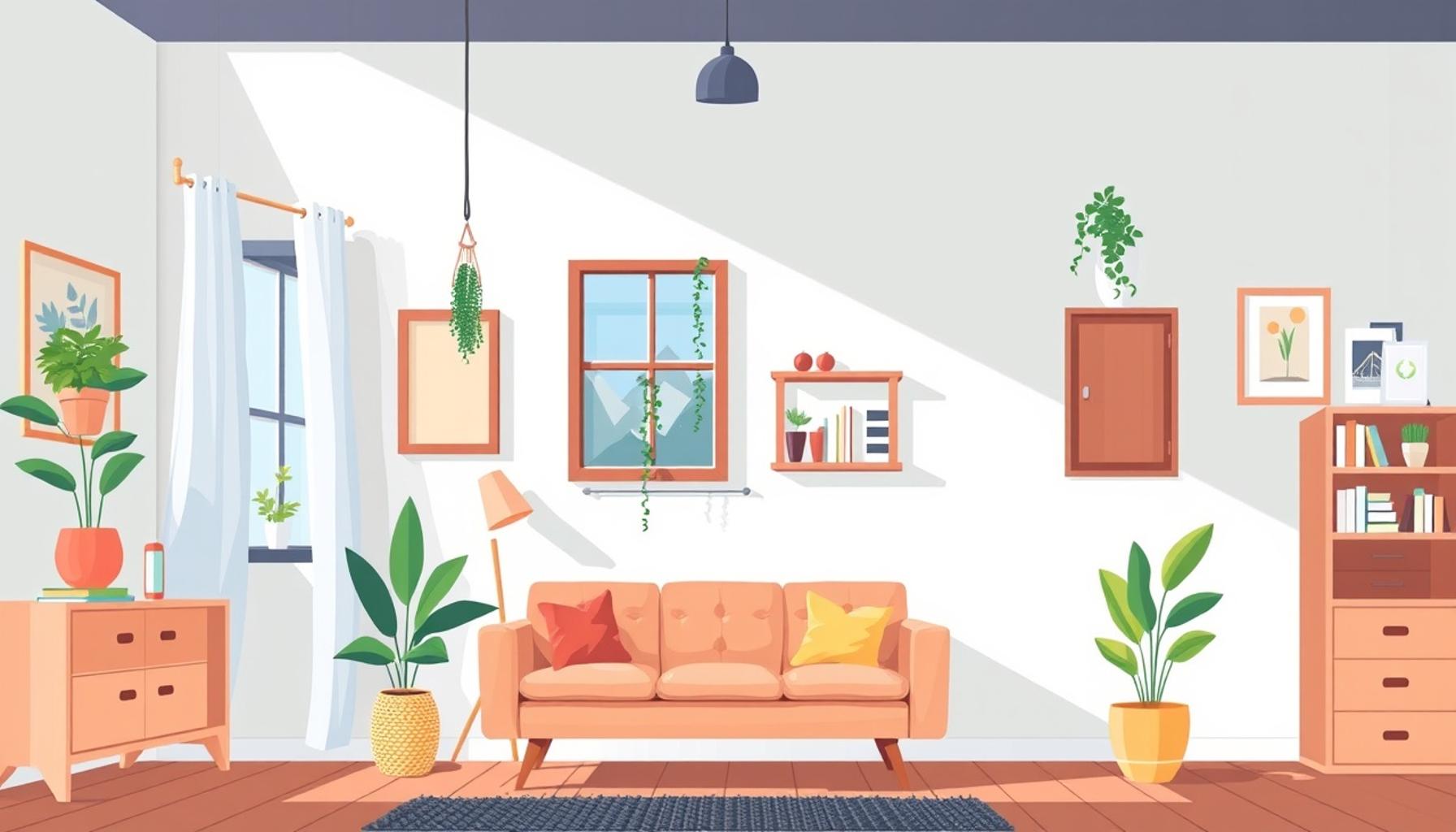
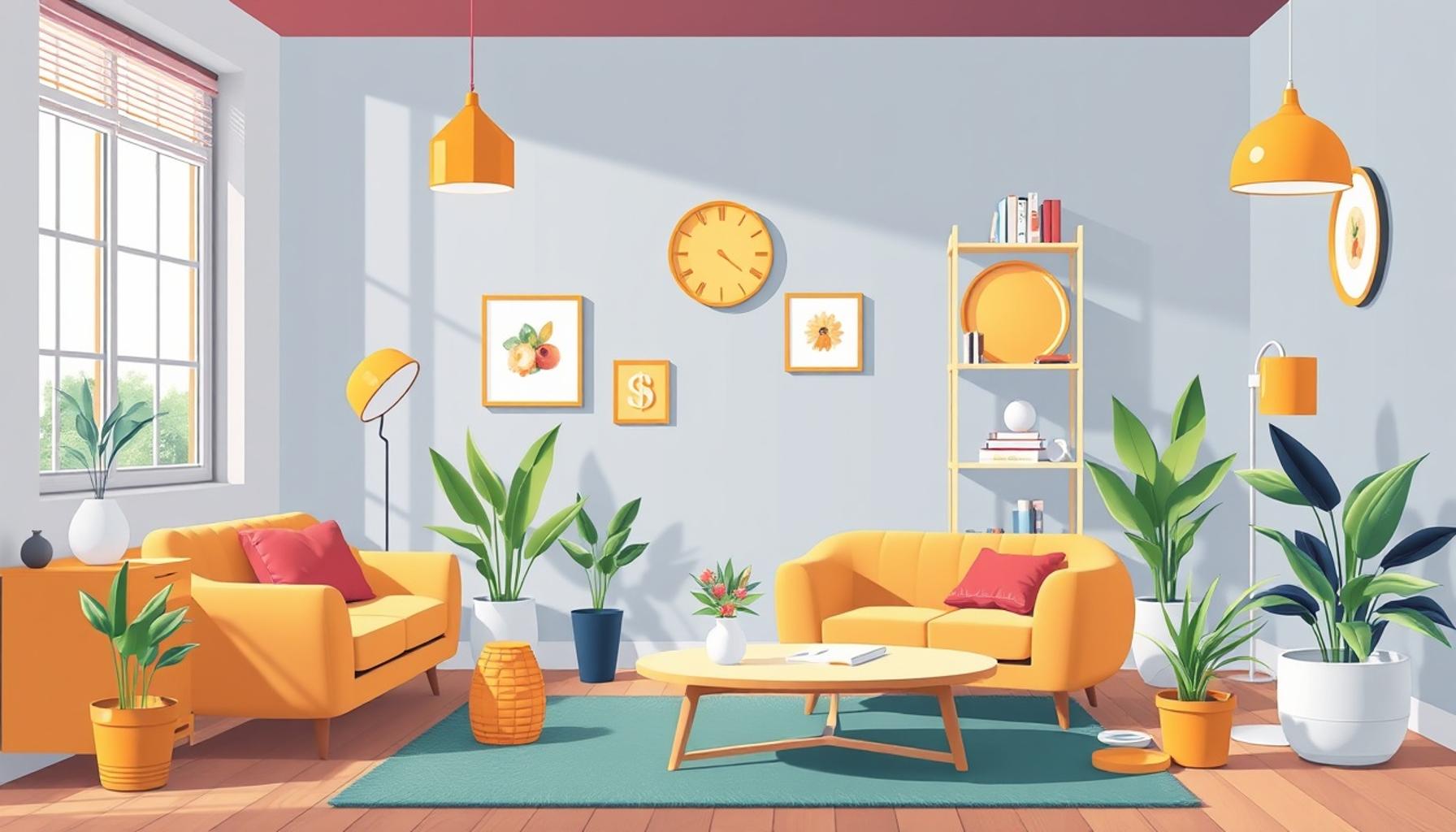
The Art of Minimalist Zoning: Creating Functional Areas in Limited Spaces
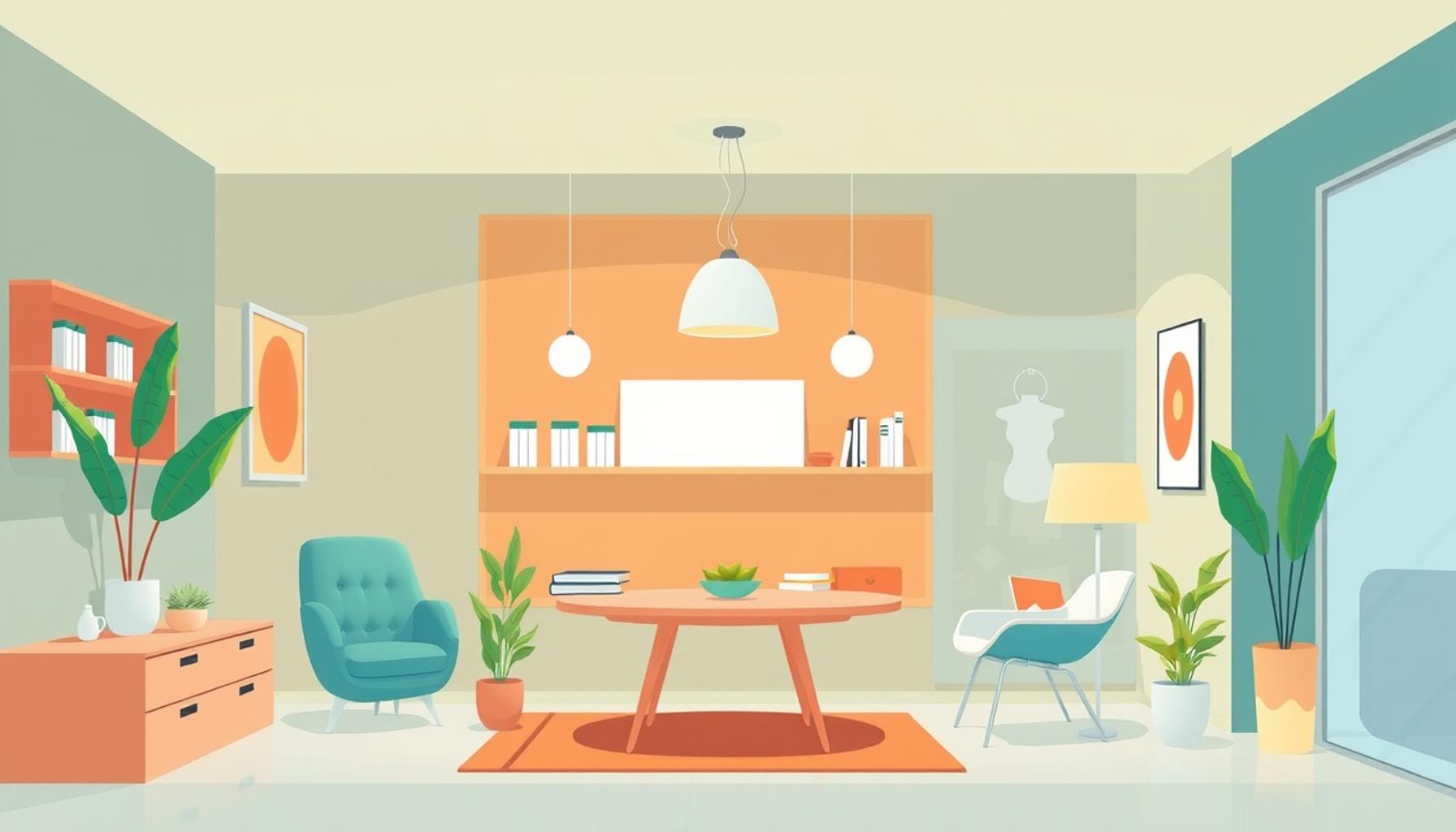
The Rise of Efficient Living Spaces
In today’s fast-paced world, the demand for efficient living has become imperative. Urban environments are becoming increasingly cramped, compelling us to rethink how we organize our homes and offices. As a response, the concept of minimalist zoning has emerged, reshaping our perception of space utilization and design.
This innovative design strategy allows individuals to create distinct areas within a single environment, enabling a seamless blend of functionality and aesthetics. By focusing on minimalist zoning, one can maximize the usability of limited spaces while ensuring they don’t feel cluttered. The benefits of adopting this approach are manifold:
- Enhanced organization: Clearly defined zones contribute to tidiness and orderliness. For instance, a small studio apartment can creatively separate sleeping areas from living spaces using room dividers or furniture arrangements.
- Improved efficiency: By prioritizing functionality, minimalist zoning facilitates ease of movement and accessibility. For example, a well-established home office nook can dramatically reduce distractions, allowing for concentrated work without disruption from the personal areas of a home.
- Increased flexibility: Spaces designed with versatility can adapt to shifting needs. A living room, for instance, can transform from a socializing area during the day to a peaceful retreat in the evenings with simple adjustments in furniture layout.
As urban living continues to grow, particularly in bustling cities like New York and San Francisco, understanding the principles of minimalist zoning becomes increasingly relevant. This approach encompasses several key strategies:
- Strategic furniture placement: Positioning furniture intentionally can create designated areas for work, relaxation, and socialization. Modular furniture, which can be rearranged easily, is ideal for small spaces.
- Color schemes and materials: Utilizing a cohesive color palette and uniform materials can establish a sense of unity across different zones while still allowing for personal expression in each designated area.
- Decluttering techniques: Regularly assessing and minimizing belongings can help optimize space and foster a peaceful atmosphere. Utilizing storage solutions like multi-functional furniture can keep areas less cluttered.
As you explore the principles of minimalist zoning, you will uncover how to transform your modest space into a harmonious, functional environment. By embracing the art of zoning, you can redefine your living experience, making your home not only a place to live but a sanctuary that reflects your lifestyle and needs.
To further enhance your understanding, consider researching case studies of successful minimalist transformations in urban settings. Observing how others have implemented these strategies can provide inspiration and tangible examples for optimizing your own space.
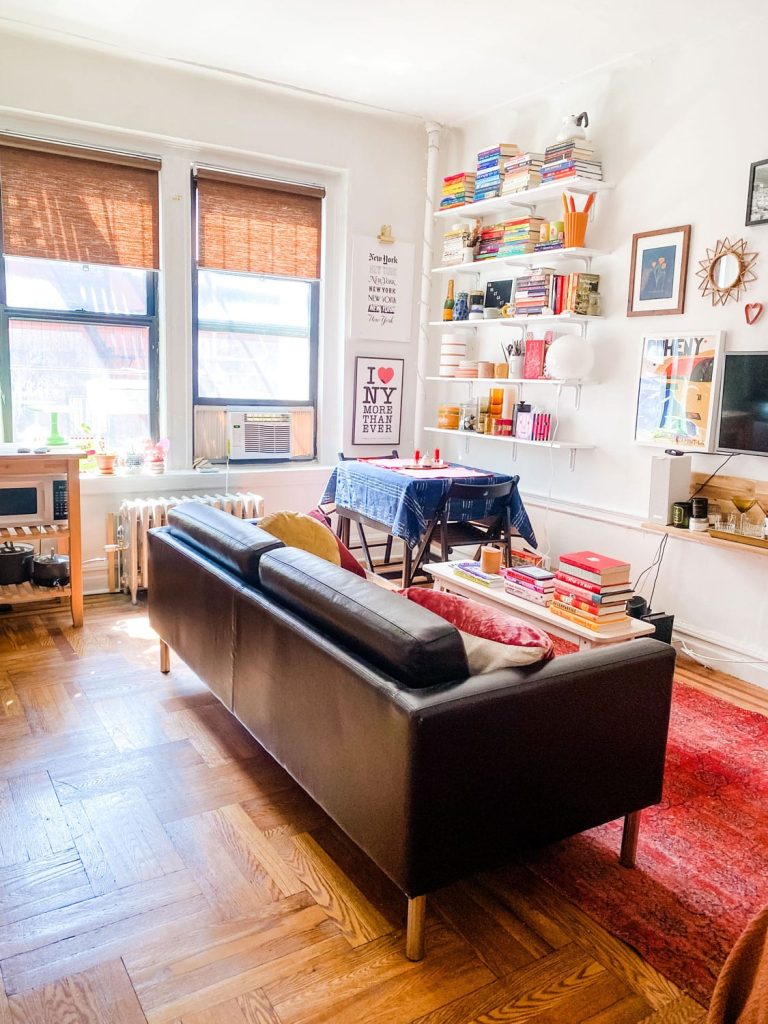
DISCOVER MORE: Click here for mindful gift-giving tips
Understanding the Principles of Minimalist Zoning
At its core, minimalist zoning is about maximizing functionality while maintaining a sense of spaciousness. This design philosophy hinges on creating dedicated areas within a confined space, allowing seamless transitions between activities. Whether it’s a cozy one-bedroom apartment in Chicago or a compact loft in Los Angeles, the principles of minimalist zoning can adapt to various environments, enhancing both comfort and efficiency.
To grasp how to best implement minimalist zoning, it’s crucial to understand the strategies that underpin this approach:
- Defining Spaces with Zone Indicators: One of the simplest ways to delineate areas is by employing visual markers. Area rugs can define a living space within a larger room, while shelving units or curtains can create boundaries between a home office and a relaxation zone. Such indicators help anchor the purpose of each area, making the layout intuitively accessible.
- The Power of Lighting: Lighting can significantly influence how a space feels and functions. By using different types of lighting—such as soft ambient lights in the living area and task lights in the office—you can create a distinct atmosphere in each zone. Furthermore, strategically placing lighting fixtures can draw attention to specific areas, enhancing their usability.
- Multi-Functional Design: In limited spaces, furniture that serves multiple purposes is invaluable. Consider a coffee table that doubles as a storage unit or a fold-out desk that can be tucked away when not in use. This kind of flexibility not only saves space but also makes the environment more adaptable to both day-to-day living and entertaining.
- Incorporating Natural Elements: Nature has a calming effect and can be seamlessly integrated into minimalist zoning. Indoor plants or a small herb garden can serve as both decor and functional elements. They can help define a corner while contributing to the overall aesthetic of the space, fostering a serene atmosphere that enhances productivity and relaxation.
Incorporating these strategies into your home or office can create a more organized and functional living environment. Minimalist zoning not only prioritizes practical needs but also allows for personal expression in design. As you start to plan your space, focus on how these distinct areas can serve you best, thus minimizing chaos while maximizing comfort.
To truly appreciate the impact of minimalist zoning, consider exploring examples from contemporary design blogs or social media platforms that highlight successful implementations. Understanding how others have maximized small spaces can provide fresh ideas that inspire your journey toward creating your personalized, efficient living space.
The Benefits of Minimalist Zoning
The concept of minimalism in zoning is not just a trend; it’s a transformative approach that maximizes every square foot of your home, especially when space is at a premium. By effectively applying minimalist zoning techniques, you can create distinct functional areas, tailor-made for various activities, while maintaining an overall sense of harmony and open space. Below are key advantages of utilizing this innovative design philosophy:
| Category 1 | Category 2 |
|---|---|
| Space Maximization | Creates multifunctional areas reducing clutter and enhancing usability. |
| Aesthetic Appeal | Promotes a clean, streamlined look that can make smaller spaces feel larger. |
Implementing minimalist zoning fosters a unique blend of functionality and elegance, ensuring that your limited space serves multiple purposes without overwhelming aesthetics. This approach does more than just beautify your environment; it leads you to think creatively about how each area can be utilized. Explore the depths of these benefits and dive deeper into the art of creating functional areas that resonate with your lifestyle, making your home both a refuge and a productivity hub.
DISCOVER MORE: Click here to learn about creating meaningful spaces
Transforming Spaces Through Smart Design Choices
To further embrace the concept of minimalist zoning, careful consideration of design elements is essential. Over the years, homeowners and designers have realized that certain techniques can transform even the most cramped quarters into organized areas that exude style and practicality. Let’s explore some of these transformative strategies.
- Smart Use of Vertical Space: In small spaces, the floor area is often limited, making verticality a game changer. Utilizing tall bookshelves or wall-mounted storage solutions not only frees up valuable floor space but also creates striking visual interest. Shelving units that extend to the ceiling can provide ample storage while drawing the eye upward, making ceilings feel higher and spaces airier. This approach can be especially beneficial in urban environments where every square inch counts.
- Open Shelving and Transparent Dividers: Another innovative tactic is to incorporate open shelving or transparent dividers in your design. Open shelves allow you to display books, decor, and other items, while maintaining a sense of openness that traditional cabinets can obstruct. Additionally, transparent dividers made from glass or acrylic can define spaces without closing them off, facilitating light flow and making the area feel larger.
- Color Coordination and Palette: The colors you choose can profoundly impact how a space feels. In minimalist zoning, a cohesive color palette can unify different areas while helping them stand out. For example, incorporating soft, neutral tones can create a calming environment, while pops of bold colors in certain zones can add character and vibrancy. Choose hues that harmonize well to ensure transitions between areas remain smooth and inviting.
- Creating Defined Traffic Patterns: A well-thought-out flow can significantly enhance usability in small spaces. When planning your zones, consider how people will move through the area. Design pathways that are clear and unobstructed, encouraging ease of movement. For instance, placing furniture thoughtfully can guide foot traffic, creating a natural direction that differentiates zones without the need for physical barriers.
Furthermore, consider the lifestyle you lead. The essence of minimalist zoning lies in crafting spaces that reflect your daily activities. For example, if you enjoy hosting friends, designing a versatile dining area that can seamlessly convert into a social space is key. This means selecting furniture that complements this dual functionality, such as a dining table with additional leaves or movable chairs that are easy to rearrange.
In urban settings, where limited space is the norm, engaging with local design communities can open up a wealth of inspiration. Designers often showcase the effectiveness of minimalist zoning in small apartments through social media platforms like Instagram, where hashtags such as #MinimalistDesign and #SmallSpaceLiving are filled with innovative ideas. By exploring these resources, you can better understand how to implement these strategies in your own unique context and personalize them to suit your needs.
Ultimately, the art of minimalist zoning is about more than just aesthetics; it’s about carving out functional areas that enhance your quality of life. By thoughtfully applying these principles, you can transform limited spaces into practical havens that cater to both relaxation and productivity, leaving your environment feeling uncluttered and conducive to your lifestyle.
DIVE DEEPER: Click here to learn more about how minimalism impacts well-being
Final Thoughts on Embracing Minimalist Zoning
In conclusion, mastering the art of minimalist zoning presents an invaluable opportunity to optimize functionality within limited spaces. By adopting strategies such as the smart use of vertical space, integrating open shelving, and utilizing a thoughtful color palette, individuals can create distinct areas that serve multiple purposes without sacrificing style. In an age where urban living increasingly leans toward smaller lifestyles, the necessity for maximizing every square foot has never been more relevant.
Moreover, understanding the importance of flow and traffic patterns can enhance everyday experiences within your home, turning a cramped quarters into an oasis of comfort and efficiency. It’s essential to consider how your space aligns with your personal activities and lifestyle needs, tailoring each zone to promote a harmonious balance between relaxation and productivity.
As you venture into the realms of minimalist design, seeking inspiration from community resources or online platforms can provide a wealth of innovative ideas, helping you redefine your small living space. Ultimately, minimalist zoning transcends mere decoration; it’s about crafting environments that are intuitively functional and pleasing to inhabit. Adopting these principles not only transforms physical spaces but also cultivates a mindset geared towards simplicity and clarity in your daily life.
By engaging with these concepts, you can create a home that effortlessly adapts to your lifestyle, proving that even the tiniest areas can be transformed into functional havens tailored to your needs.
Related posts:
The Psychology of Space Efficiency: How Minimalism Affects Our Well-Being
The Impact of Minimalism on Space Efficiency in Urban Living
Sustainable Minimalism: Eco-Friendly Practices for Efficient Space Use
Multi-Functional Furniture: The Key to Space Efficiency in Minimalist Design
Transforming Vertical Space: Utilizing Walls for Maximum Efficiency in Minimalist Homes
Maximizing Small Spaces: Creative Storage Solutions for Minimalist Living

Linda Carter is a writer and pet care expert specializing in pet health, grooming, and wellness. With extensive experience helping pet owners create safe, loving, and enriching environments for their animals, Linda shares her knowledge on our platform. Her goal is to empower readers with practical advice and strategies to ensure their pets thrive and lead joyful, healthy lives.