
The Importance of Pre-Workout Nutrition
Fueling your body with the right nutrients prior to any workout is crucial for optimizing performance and achieving personal fitness goals. Nutrition plays a pivotal role in maximizing exercise intensity and ensuring optimal results. A thoughtfully planned pre-workout meal can significantly influence your stamina, strength, and overall enjoyment of exercise.
Key Nutritional Components
When considering what to eat before a workout, several key components should be prioritized:
- Carbohydrates: These macronutrients serve as the body’s primary source of energy, especially during high-intensity workouts. Foods rich in carbohydrates, such as whole grains, fruits, and vegetables, provide glycogen, which is stored in muscles and utilized during extended physical activity. For example, a banana or a slice of whole-grain bread with honey can offer quick and easily digestible energy.
- Proteins: Ingestion of protein before a workout is essential for muscle repair and growth. Not only does it help recover from previous workouts, but it also promotes muscle synthesis during exercise. A serving of Greek yogurt or a protein shake made with low-fat milk can provide the necessary amino acids to support these processes.
- Healthy Fats: While fats are often overlooked for pre-workout meals, they can provide sustained energy for longer, lower-intensity workouts. Foods like avocados, nuts, and seeds not only supply essential fatty acids but also keep you feeling fuller for longer, helping to stave off hunger during your workout.
Practical Considerations
In the bustling landscape of fitness, many individuals ponder critical questions regarding nutrition:
- How do different foods affect performance? Different foods elicit varied responses in energy levels. Fast-digesting carbohydrates can boost immediate energy, whereas high-fiber options may lead to discomfort during intense workouts.
- What is the ideal timing for consumption? Generally, consuming a meal or snack 30 minutes to three hours before exercising can optimize performance. A personalized approach here, based on your digestive comfort, can yield the best results.
- Can specific nutrients enhance endurance? Yes, for instance, carbohydrates shown to elevate blood glucose levels can delay fatigue during prolonged activities, while electrolytes prevent dehydration.
Conclusion
Research underscores the critical link between what we eat before exercising and the quality of our workouts. An understanding of the role of nutrition not only facilitates achieving fitness goals but also enhances overall athletic performance. Therefore, investigating the world of pre-workout nutrition is essential for anyone looking to elevate their exercise intensity. Armed with the right information, athletes and fitness enthusiasts alike can make informed choices that pave the way for success in their fitness endeavors.
EXPLORE MORE: Click here for healthy snack ideas to boost your workouts
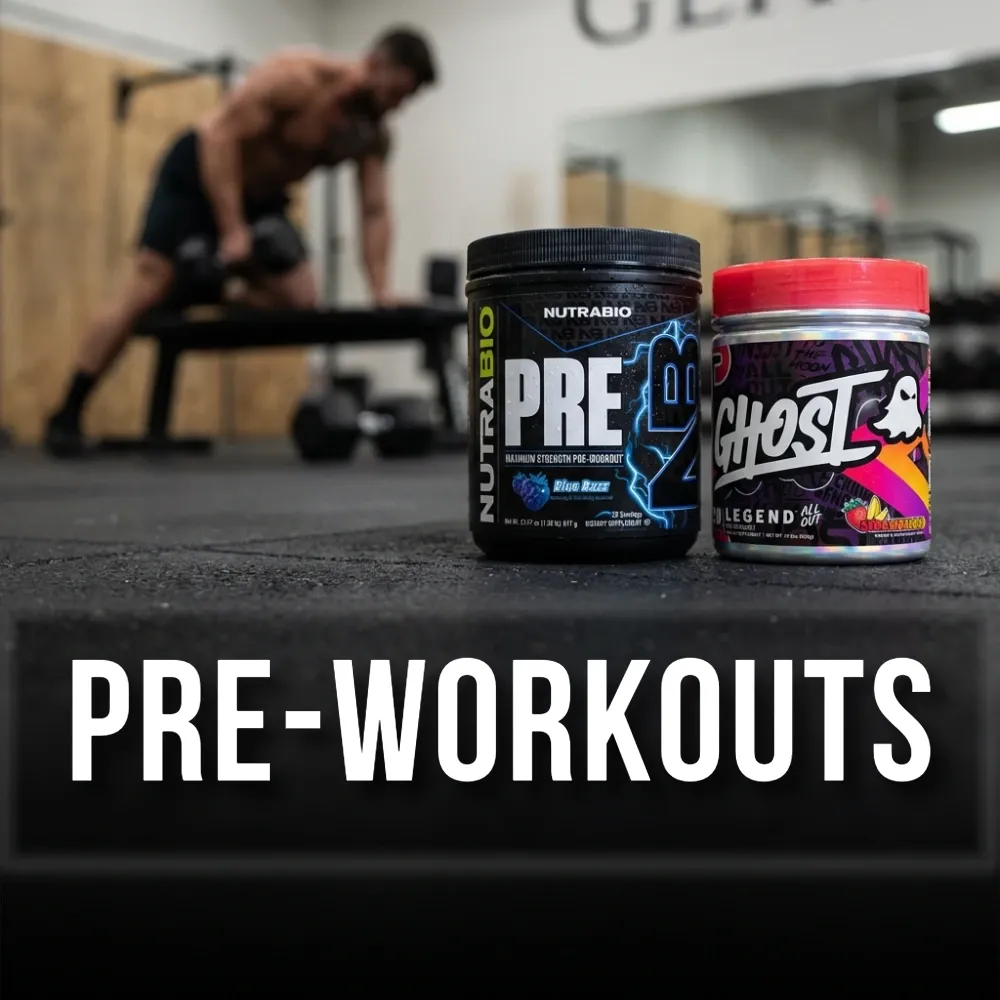
The Impact of Pre-Workout Nutrition on Exercise Performance
Understanding the connection between pre-workout nutrition and exercise intensity is vital for anyone aiming to enhance their workout outcomes. Nutrition is not merely fuel; it serves as a critical factor that can dictate the overall effectiveness of a training session. By choosing the right foods before exercising, individuals can experience profound changes in stamina, strength, and mental clarity. Let’s dive deeper into how pre-workout meals directly influence exercise performance.
The Science Behind Nutrient Timing
One of the most compelling aspects of pre-workout nutrition is the concept of nutrient timing—knowing when to eat for maximum benefit. Studies suggest that consuming a balanced meal or snack 30 minutes to three hours before exercise can optimize energy levels and muscle performance. This is particularly relevant for individuals participating in high-intensity workouts such as HIIT or strength training, where energy demands are considerably elevated.
Additionally, the glycogen stores in your muscles—from carbohydrates consumed beforehand—are crucial. Once these stores are depleted, fatigue sets in, signalling the body to slow down. Thus, appropriately fueling your body before a workout can delay this onset of fatigue, enabling athletes and fitness enthusiasts to train harder and longer.
Types of Pre-Workout Foods
When planning what to eat before a workout, it’s important to consider the types of foods that will provide sustained energy and support exercise intensity. Here are some recommended options:
- Complex Carbohydrates: Foods like oatmeal, brown rice, and quinoa are excellent sources of complex carbohydrates that digest slowly. They provide a gradual release of energy, ensuring you’re fueled for longer periods.
- Lean Proteins: Incorporating a source of protein, such as chicken breast or legumes, can support muscle repair and growth, which is essential during intense workouts. The amino acids from these protein sources help with muscle synthesis and recovery.
- Hydration: Always remember to include adequate fluids in your pre-workout nutrition. Hydration is often overshadowed by food but is critical for maintaining performance levels. Water and electrolyte-rich beverages can help prevent dehydration and maintain exercise intensity.
The Role of Mental Focus and Mood
Interestingly, the connection between pre-workout nutrition isn’t just physiological; it also extends to mental preparedness. A well-nourished body offers enhanced cognitive performance, which can translate into higher exercise intensity. Research indicates that certain nutrients, such as omega-3 fatty acids and antioxidants found in nuts and berries, can positively affect mood and focus, fostering a greater sense of motivation during workouts.
In conclusion, investing time in pre-workout nutrition holds the potential to significantly elevate the quality of your workouts. By understanding the various factors at play—including the timing, type of nutrients, and mental aspects—individuals can unlock their full athletic potential. As the conversation around nutrition continues to evolve, it becomes increasingly clear that tailored nutrition strategies are essential for achieving desired fitness outcomes.
The Connection Between Pre-Workout Nutrition and Exercise Intensity
When it comes to enhancing performance in the gym or during athletic activities, the significance of pre-workout nutrition cannot be overstated. Consuming the right nutrients before working out not only fuels your body but also enables higher exercise intensity, which can lead to improved strength and endurance.
A well-thought-out meal or snack before exercising plays a crucial role in optimizing glycogen stores, maximizing energy levels, and preparing oneself mentally for the workout ahead. Studies have shown that athletes who incorporate specific macronutrients—such as carbohydrates and proteins—into their pre-exercise meals are likely to experience substantial gains in performance. For instance, carbohydrates can enhance stamina, while protein can aid in muscle repair and growth.
Additionally, timing your pre-workout intake is key. Consuming these nutrients too close to the workout can lead to gastrointestinal discomfort, while properly timing your meals can significantly increase your exercise capacity and overall workout effectiveness.
| Nutrition Element | Impact on Exercise Intensity |
|---|---|
| Carbohydrates | Boosts energy levels and prolongs endurance during rigorous activities. |
| Proteins | Aids in muscle repair; it can help reduce fatigue and soreness post-workout. |
Exploring the exact balance and types of nutrients you incorporate into your pre-workout routine can reveal crucial insights into how well your body responds to exercise. Understanding this connection can empower athletes and fitness enthusiasts to optimize their training regimens accordingly.
DISCOVER MORE: Click here to enhance your fitness journey
Understanding Macronutrient Ratios for Optimal Performance
To maximize the benefits of pre-workout nutrition, it’s essential to consider the appropriate macronutrient ratios. The ideal blend of carbohydrates, proteins, and fats plays a vital role in enhancing exercise intensity. While individual needs may vary based on body type, fitness level, and workout goals, general guidelines can help athletes optimize their pre-workout meals.
Carbohydrates: The Primary Energy Source
Carbohydrates are undoubtedly the cornerstone of effective pre-workout nutrition. As the primary energy source for high-intensity exercises, consuming carbohydrates shortly before a workout can drastically improve performance. It has been shown that consuming 1-4 grams of carbohydrates per kilogram of body weight within the hour preceding exercise can significantly increase glycogen stores, providing the necessary energy for strenuous activities.
For individuals engaging in longer endurance workouts, such as marathon running or cycling, tapering carbohydrate intake in the days leading up to the event can help optimize muscle glycogen stores, a practice known as carbohydrate loading. A well-planned carbohydrate-rich meal can make a profound difference in energy levels and performance.
The Importance of Protein
Protein consumption before exercise is often overlooked but is equally important. Including proteins in your pre-workout meal can initiate muscle repair processes, aiding in recovery and maintaining muscle mass. Research indicates that consuming about 10-20 grams of protein before a workout can help reduce muscle soreness and improve recovery times. Opting for protein-rich foods like Greek yogurt, eggs, or a protein shake can effectively set the stage for more intense training sessions.
The Role of Fats: To Include or Not?
While fats are a necessary part of a balanced diet, their consumption timing in relation to exercise is often debated. Fats take longer to digest, making them less ideal as a pre-workout fuel source. However, they can aid in providing energy during prolonged, moderate-intensity exercise. Some research suggests that including small amounts of healthy fats from sources like avocado or nuts might be beneficial for longer endurance workouts, but the key is to limit them in meals consumed immediately before exercise to avoid gastrointestinal discomfort.
Personalizing Your Pre-Workout Routine
Given the variability in individual responses to different foods, experimenting with different pre-workout meals can lead to optimal exercise intensity improvement. Tracking performance and energy levels can provide valuable insights into what works best for you personally. For instance, some individuals may thrive on a hearty oatmeal bowl topped with fruits, while others may prefer a lighter option such as a banana and a handful of almonds.
Furthermore, it’s advisable to conduct a small test by trying out various combinations during training rather than on competition day. This practice will help athletes understand which foods translate into higher energy levels and better performance, thus solidifying the connection between pre-workout nutrition and enhanced exercise intensity.
As we expand our knowledge of personalized nutrition, it becomes clear that there is no one-size-fits-all approach. Everyone’s body reacts differently to various foods, and understanding your body’s signals is key to unlocking your true workout potential.
DISCOVER MORE: Click here for expert tips on dietary planning</a
Conclusion: Elevating Performance Through Smart Pre-Workout Nutrition
The intricate relationship between pre-workout nutrition and exercise intensity cannot be overstated. By fine-tuning the right balance of macronutrients—carbohydrates, proteins, and fats—athletes can unlock their potential for superior performance. As we’ve discussed, carbohydrates serve as the primary energy source and should be prioritized for those engaging in high-intensity workouts. Meanwhile, the appropriate intake of protein before exercise sets the stage for muscle recovery and reduces soreness.
Furthermore, being mindful of fat consumption around workout times can be crucial; while essential to any diet, fats should be limited immediately before workouts to prevent discomfort. It is clear that no single dietary strategy fits everyone. Rather, the journey toward optimizing exercise performance demands a personalized approach. Individuals can benefit from experimenting with various pre-workout meals to discover what fuels their bodies best and enhances workout efficiency.
Ultimately, understanding the vital connection between pre-workout nutrition and exercise intensity allows athletes not only to push through physical barriers but also to enhance overall fitness experiences. By becoming attuned to their unique nutritional needs and responses, athletes can develop a tailored regimen that significantly impacts their training outcomes. As this field of nutrition continues to evolve, stay curious, stay informed, and explore the exciting potential of pre-workout nutrition. Your next breakthrough could be just a meal away!
Related posts:
Plant-Based Nutrition Strategies for Weight Lifters
The Impact of Hydration on Weight Training Performance
The Impact of Hydration on Strength Training Outcomes
Understanding Micronutrients for Enhanced Recovery in Gym Training
The Role of Macronutrients in Optimizing Gym Performance
Snacking Smart: Healthy Snack Ideas to Fuel Your Weight Training Sessions

Linda Carter is a writer and pet care expert specializing in pet health, grooming, and wellness. With extensive experience helping pet owners create safe, loving, and enriching environments for their animals, Linda shares her knowledge on our platform. Her goal is to empower readers with practical advice and strategies to ensure their pets thrive and lead joyful, healthy lives.