
Maximizing Your Weightlifting Program with HIIT
High-Intensity Interval Training (HIIT) has gained immense popularity among fitness enthusiasts, transcending its initial perception as merely a cardio workout. This dynamic training methodology, which combines short bursts of intense exercise with brief recovery periods, can profoundly enhance your existing weightlifting routine, leading to remarkable improvements in strength, endurance, and fat loss.
Understanding the Benefits of HIIT in Weightlifting
Integrating HIIT into your weightlifting regimen offers a multitude of benefits, making workouts both rewarding and efficient. Below are some crucial advantages to consider:
- Increased metabolic rate: HIIT can elevate your resting metabolic rate, meaning you continue to burn calories long after your workout has ended—a phenomenon known as excess post-exercise oxygen consumption (EPOC). Studies suggest that engaging in HIIT can boost caloric expenditure by up to 15% post-workout, enabling you to achieve weight goals more effectively.
- Improved cardiovascular fitness: By enhancing your heart and lung capacity, HIIT allows for better oxygen flow during lifts. This increase in endurance can enable you to perform more repetitions at heavier weights, thereby maximizing gains. Research links improved cardiovascular health with greater strength performance, making HIIT a wise addition for weightlifters.
- Enhanced fat loss: Merging heavy lifting with HIIT’s calorie-burning strategies creates a powerful synergy for fat loss. According to the American College of Sports Medicine, combining strength and high-intensity training results in faster fat loss compared to traditional weightlifting alone, allowing for efficient and noticeable changes in body composition.
Engaging HIIT Techniques for Lifting
To harness the full potential of HIIT within your weightlifting sessions, consider implementing various techniques. Each technique has its unique benefits that can keep workouts fresh and engaging:
- Supersets: This technique involves pairing two exercises that target different muscle groups and performing them back-to-back without rest. For example, alternating between bench presses and bent-over rows can increase overall intensity and pump up your cardiovascular involvement.
- Drop sets: As you reach muscle failure with a given weight, immediately reduce the load and continue lifting. This sustained effort keeps your heart rate elevated while promoting hypertrophy—growth in muscle size—making drop sets a highly effective addition to any lift.
- Plyometric movements: Introducing explosive exercises like box jumps or burpees between sets can ramp up your heart rate and challenge your muscles in new ways. These high-energy movements help develop fast-twitch muscle fibers, crucial for overall strength and explosiveness.
Transforming Your Fitness Journey
Embracing these techniques not only enhances your knowledge of how HIIT can be integrated into your workout but also fundamentally transforms your approach to weightlifting. As fitness professionals continuously stress the importance of varying your routine to prevent plateaus and keep motivation high, adding HIIT can be the spark you need. So, are you ready to revolutionize your fitness journey? Explore different HIIT strategies and witness firsthand how this dynamic training style can lead to impactful results in both strength and overall fitness.
DISCOVER MORE: Click here to learn about the importance of rest and recovery
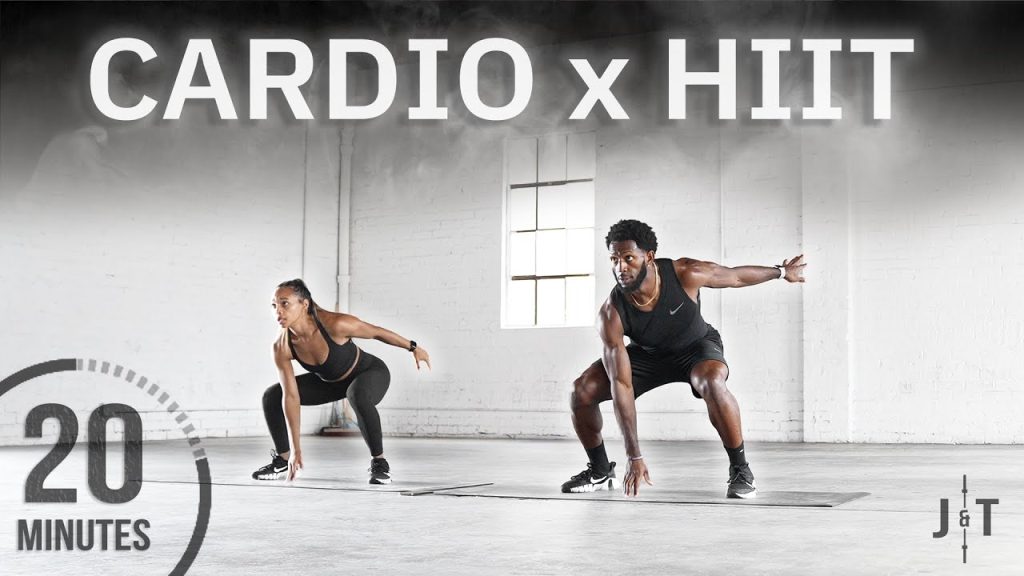
High-Intensity Training Techniques: Merging HIIT with Weightlifting
Incorporating High-Intensity Interval Training (HIIT) into your weightlifting program isn’t merely a passing trend; it’s a strategic approach to elevate your fitness outcomes. The beauty of this blending lies in its multifaceted nature, enabling not just improved strength, but also enhanced endurance and fat loss. To effectively integrate HIIT techniques into your weightlifting regimen, one must consider various strategies that can be customized to individual preference and goals.
Strategic HIIT Techniques to Elevate Weightlifting Workouts
In order to seamlessly incorporate HIIT into your weightlifting program, consider the following techniques. Each method serves to amplify the intensity and efficiency of your workouts:
- Circuit Training: The essence of circuit training lies in performing a series of exercises in succession with minimal rest in between. This approach keeps the heart rate elevated while targeting different muscle groups. By rotating through lifts such as squats, deadlifts, and shoulder presses, all in a single workout session, you not only improve strength but also boost cardiovascular fitness.
- Tabata Intervals: Named after Japanese scientist Dr. Izumi Tabata, this technique consists of 20 seconds of ultra-high-intensity exercise followed by 10 seconds of rest, repeated for eight rounds. When applied to weightlifting, you can focus on a single exercise—like kettlebell swings or barbell thrusters—to maximize both strength and aerobic capacity in a condensed time frame.
- Compound Movements: By focusing on compound lifts—exercises that target multiple muscle groups, such as squats, bench presses, and deadlifts—you can naturally create a more intense workout. To heighten this intensity, alternate these lifts with short bursts of cardio like jump rope or sprints, facilitating a HIIT environment while lifting heavy.
Setting Up Your HIIT Weightlifting Session
Creating a structured HIIT weightlifting session requires thoughtful planning. Begin by identifying your fitness goals—be it strength gain, metabolic conditioning, or fat loss. Once your objectives are clear, structure your session around them. For example, if your aim is to build strength, you might opt for heavier weights during compound movements, combined with brief HIIT bursts, such as bodyweight exercises or jumping jacks. Remember, adequate recovery is crucial; ensure to listen to your body and adjust rest periods accordingly to avoid burnout.
Beyond these techniques, an essential aspect of integrating HIIT into your weightlifting program is maintaining focus on form and technique. As fatigue sets in during high-intensity intervals, it can be tempting to sacrifice form for speed. Prioritize proper lifting mechanics to prevent injury and optimize results. By fostering an understanding of your body’s limits while pushing those boundaries, you can enjoy a highly effective and efficient exercise routine.
As you delve deeper into these high-intensity strategies, you may uncover new dimensions of your physical capacity, inspiring further exploration in your fitness journey. With a structured approach and the right mindset, the marriage of HIIT and weightlifting will not only enhance your workouts but transform how you perceive fitness as a whole.
| Category | Key Features |
|---|---|
| Increased Caloric Burn | HIIT can result in a higher number of calories burned even after workouts. |
| Time Efficiency | Incorporating HIIT allows for effective workouts in shorter time spans. |
| Enhanced Endurance | HIIT improves cardiovascular fitness, crucial for weightlifting performance. |
| Muscle Preservation | Combines weightlifting with high-intensity intervals to maintain muscle mass. |
High-Intensity Training Techniques are rapidly gaining traction in the fitness community, especially when paired with traditional weightlifting methods. By integrating HIIT into your regimen, you not only amplify the benefits of your workout but also unlock new levels of efficiency and results. For instance, Increased Caloric Burn is one of the standout features of HIIT, as research indicates that the “afterburn” effect leads to calories being burned long after the workout is over.Moreover, Time Efficiency is a major attraction for those juggling busy schedules. HIIT allows individuals to maximize their results in significantly less time than if they were to perform a conventional workout alone. Additionally, the incorporation of these techniques enhances not just muscle strength, but also boosts Endurance. Better cardiovascular conditioning translates directly to improved performance in weightlifting exercises.An often-overlooked advantage is Muscle Preservation, which ensures that strength gains are optimized without sacrificing hard-earned muscle mass. As you dive deeper into this fusion of HIIT and weightlifting, you might discover innovative strategies that resonate with your workout goals, provoking further exploration into the intricate world of fitness.
DISCOVER MORE: Click here to learn how to enhance your workouts
Advanced Strategies for Merging HIIT and Weightlifting
As your fitness journey progresses, incorporating advanced HIIT techniques into your weightlifting program can elevate your training to new heights. When done correctly, these methods can challenge your body in unique ways, encouraging adaptation and growth. Here, we delve into more sophisticated strategies to maximize your efforts and keep your workouts engaging.
Supersets and Plyometric Integration
One way to amplify the intensity of your workouts is through the use of supersets. This technique involves performing two exercises back-to-back with little to no rest in between. For example, coupling a set of bench presses with pull-ups can increase workout density while maintaining intensity. Supersets not only save time but also ramp up heart rate, making your weightlifting feel more like a HIIT session.
Integrating plyometric exercises can further enhance the explosive component of your routine. Incorporate jumps, such as box jumps or burpees, after heavy lifting sets. This not only provides a cardiovascular workout but also builds power and agility. The key to using plyometrics effectively in conjunction with weightlifting is ensuring that you maintain proper form and technique to prevent injury.
Utilizing Tempo Training for Maximum Intensity
Another technique to consider is tempo training, which entails manipulating the speed of your lifts. For example, you might perform a squat with a slow eccentric phase (the lowering motion) lasting five seconds, followed by a quick ascent. This approach builds time under tension, leading to increased muscle growth and metabolic conditioning. Pairing slow tempo lifts with short HIIT bursts—like a sprint or high-knees—creates an excellent blend of strength and endurance training.
Hybrid Programs: Strength & Cardio in One
Hybrid training programs are particularly effective for those looking to maintain or improve their cardio fitness while also focusing on strength gains. A classic example is to start your workout with a traditional strength training session followed by a short, intense HIIT cardio routine. This could involve kettlebell swings or battle ropes performed for 30 seconds followed by a 15-second rest, repeated for several rounds. Such a combination not only enhances athletic performance but also improves metabolism post-workout, contributing to greater fat loss.
Listening to Your Body: Ensuring Recovery and Adaptation
Regardless of the advanced techniques you choose to implement, it’s imperative to pay attention to your body’s signals. HIIT and weightlifting require a delicate balance of intensity, volume, and recovery. Active recovery days, where you may indulge in low-impact activities such as swimming or yoga, can help in managing fatigue. Additionally, ongoing assessment of your progress—tracking metrics like strength increases and body composition—can provide motivation and insight into necessary adjustments in your training approach.
Being flexible and adapting your approach is crucial in the pursuit of fitness excellence. With every new addition to your regimen, you have the opportunity to discover what truly works for you, shaping your unique path in the world of high-intensity training integrated with weightlifting.
DIVE DEEPER: Click here to enhance your cardio performance
Conclusion: Maximizing Your Results with HIIT and Weightlifting
Incorporating High-Intensity Training Techniques into your weightlifting program can provide a multifaceted approach to fitness that promotes strength, endurance, and overall wellness. By utilizing advanced strategies such as supersets, plyometrics, and tempo training, you not only enhance your cardiovascular output but also optimize your muscle-building potential. As we’ve explored, the combination of these training methods allows for workouts that are not only efficient but also effective in warding off fitness plateaus.
Moreover, embracing hybrid programs that marry strength and HIIT can lead to impressive metabolic benefits, boosting calorie burn during and after workouts. However, this journey requires a keen awareness of your body’s responses, emphasizing the importance of active recovery and personalized adjustments. By listening to your body’s signals and making informed decisions about intensity and volume, you can tailor a training program that suits your unique goals and lifestyle.
As you venture further into the realm of HIIT and weightlifting, remember that variety is the spice of fitness. Maintaining a flexible mindset and regularly assessing your progress will keep your workouts engaging and fruitful. Equip yourself with these high-intensity techniques, remain committed, and you will undoubtedly witness not just physical transformation but also enhanced overall performance.
So gear up, stay motivated, and let your fitness journey be one of continuous growth and discovery through the artful incorporation of HIIT into your weightlifting regimen.
Related posts:
The Importance of Proper Form: Exercise Techniques to Prevent Injuries
Breathing Techniques During Training: Improving Performance and Endurance
Advanced Training Strategies: Superset and Dropset Techniques to Maximize Results
Exploring Advanced Resistance Training Techniques for Muscle Growth
Circuit Training for Strength: How to Optimize Time and Maximize Results
High-Intensity Interval Training (HIIT) Techniques for Maximum Fat Loss

Linda Carter is a writer and pet care expert specializing in pet health, grooming, and wellness. With extensive experience helping pet owners create safe, loving, and enriching environments for their animals, Linda shares her knowledge on our platform. Her goal is to empower readers with practical advice and strategies to ensure their pets thrive and lead joyful, healthy lives.