
The Importance of Nutrition in Muscle Building
When embarking on a journey to gain muscle, many individuals tend to underestimate the transformative power of a well-structured nutrition plan. A sustainable nutrition strategy not only fuels muscle growth but also enhances overall health, vitality, and well-being. To truly realize your fitness ambitions, achieving a harmonious balance of essential nutrients, portion sizes, and mindful eating practices is critical.
Key Elements of a Nutrition Strategy
To establish a robust nutrition plan, delve into these vital components:
- Protein Sources: Incorporating lean meats such as chicken, turkey, and fish is fundamental for muscle repair and growth. For those who prefer plant-based options, legumes like lentils, chickpeas, and black beans serve as excellent protein sources. Additionally, dairy products, including Greek yogurt and cottage cheese, can help in reaching protein targets, further supporting muscle synthesis.
- Complex Carbohydrates: Energy is paramount when engaging in rigorous training sessions. Whole grains such as brown rice, quinoa, and oats, along with a variety of colorful fruits and leafy vegetables, provide sustained energy essential for high-performance workouts. For instance, consuming a banana before exercise can offer quick energy due to its potassium content, helping to maintain muscle function.
- Healthy Fats: Don’t shy away from including healthy fats in your diet. Foods like avocados, nuts, and olive oil are not only beneficial for hormone production but also support cardiovascular health. Omega-3 fatty acids found in fatty fish like salmon and mackerel play a crucial role in reducing inflammation, expediently aiding muscle recovery after workouts.
The Role of Meal Timing
Beyond simply consuming the right foods, meal timing significantly affects muscle gain and recovery. Strategically planning your meals around your training schedule can enhance performance and expedite recovery processes. Consider the following approaches:
- Pre-workout Nutrition: To ensure optimum energy levels, aim to eat a balanced meal 30 to 60 minutes before your workout. Options like a smoothie with loose protein powders, oats, and berries, or a peanut butter sandwich on whole-grain bread can provide the necessary fuel.
- Post-workout Recovery: After exercising, the body is in a prime state to absorb nutrients. A meal rich in protein and carbohydrates—such as grilled chicken with quinoa and steamed vegetables—should be consumed within two hours post-workout. This aids in muscle repair and replenishes glycogen stores effectively.
Committing to a Sustainable Nutrition Plan
Developing a sustainable nutrition plan goes beyond merely stepping out of the gym. It calls for a dedicated commitment to making informed food choices that align with long-term goals. This involves experimenting with different foods and meal timings to determine what works best for your unique body and lifestyle. Seek guidance from registered dietitians or nutrition coaches to tailor your food intake according to your specific requirements.
Ultimately, as we explore further into how to personalize your nutrition approach, remember that the foundation of muscle gain relies heavily on the combination of proper nutrition and consistent training. Stay engaged to uncover more about how you can optimize your nutritional intake for peak performance!
DON’T MISS: Click here to learn about diversifying your workouts
Understanding Your Nutritional Needs
In the pursuit of muscle gain, it is essential to comprehend your individual nutritional needs. Each person’s body responds differently to nutrition based on factors like age, gender, weight, and activity level. To foster muscle growth, establishing a baseline for your caloric intake is crucial. A caloric surplus—consuming more calories than you burn—is typically necessary for muscle growth. However, precisely balancing this intake is vital to prevent unwanted weight gain. Tools such as online calculators or mobile applications can provide guidance in determining your caloric needs and macronutrient distribution.
Macro Magic: Balancing Macronutrients
Central to any sustainable nutrition plan for muscle gain is the concept of macronutrient balance. The three primary macronutrients—proteins, carbohydrates, and fats—play distinct roles in promoting muscle growth, recovery, and overall health. Here’s a closer look at how to effectively balance these essential nutrients:
- Proteins: Aim for a daily protein intake of 0.7 to 1 gram per pound of body weight, depending on the intensity of your workouts and overall goals. This high protein intake not only aids in muscle repair but also helps maintain lean muscle mass during fat loss phases.
- Carbohydrates: Carbs are your body’s primary fuel source, especially during high-intensity workouts. Consuming around 45-65% of your daily calories from carbohydrates can ensure sustained energy levels. Think of complex carbohydrates, such as whole grains, fruits, and vegetables, which release energy slowly and keep you fueled for longer.
- Fats: Healthy fats should comprise about 20-35% of your daily caloric intake. Choose unsaturated fats from sources like nuts, avocados, and seeds to support hormone production and overall health. Omega-3 fatty acids, found in fish like salmon and walnuts, are especially beneficial for recovery and inflammation reduction.
Hydration Matters
Equally important to a sustainable nutrition plan is maintaining proper hydration. Water plays a vital role in almost every aspect of bodily function, including muscle performance and recovery. Dehydration can lead to decreased strength and endurance, which is counterproductive for muscle gain efforts. Aim to drink half your body weight in ounces of water each day, and consider increasing this amount during and after strenuous exercise. Incorporating electrolyte-rich beverages can also assist in staying hydrated, especially after intense workouts.
Creating a sustainable nutrition plan requires careful consideration of your body’s unique demands. By understanding the critical roles of macronutrients, hydration, and caloric intake, individuals can set the stage for effective muscle gain while maintaining overall health. As you continue to explore your nutritional journey, remember to keep it flexible and enjoyable, ensuring that your approach is not only effective but also sustainable in the long run.
| Healthy Food Sources | Nutritional Benefits |
|---|---|
| Lean Proteins | Supports muscle repair and growth. |
| Whole Grains | Provides essential energy for workouts and recovery. |
| Fruits and Vegetables | Rich in antioxidants, protecting against muscle fatigue. |
| Healthy Fats | Supports hormone regulation for muscle growth. |
When designing a sustainable nutrition plan for muscle gain, it’s essential to focus on healthy food sources that not only promote muscle development but also enhance overall well-being. Lean proteins, such as chicken, turkey, and legumes, are foundational in any nutrition strategy aimed at muscle gain, as they are integral for repairing and building muscle tissue. Incorporating whole grains like brown rice and quinoa allows for a steady energy release, crucial during intense workouts, providing sustained fuel for performance.Moreover, the role of fruits and vegetables cannot be overlooked; they supply vital vitamins and minerals that contribute to muscle recovery through antioxidant effects, helping to combat the oxidative stress caused by strenuous exercise. Healthy fats from sources such as avocados and nuts play a critical role in hormonal balance, which is essential for muscle growth and strength.Ultimately, a balanced intake of these nutritious foods can optimize your fitness regime, enhance muscle gain, and contribute to a healthier lifestyle overall. Investing in knowledge about sustainable nutrition will not only benefit your physique but also your long-term health.
DISCOVER MORE: Click here to enhance your training knowledge
Meal Timing and Frequency
When crafting a sustainable nutrition plan for muscle gain, meal timing and frequency are often overlooked but can significantly impact performance and progress. The principle here is simple: providing your body with the right nutrients at the right times can enhance muscle recovery and growth. Research suggests that spreading meals throughout the day helps maintain a positive nitrogen balance, critical for muscle synthesis.
Pre- and Post-Workout Nutrition
Timing your meals around workouts can optimize your results. Consuming a balanced meal containing carbohydrates and proteins about 2-3 hours before exercising can fuel your performance. Look for options like a whole-grain wrap with turkey and vegetables or oatmeal paired with Greek yogurt. Post-workout, your body is primed for recovery, so aim to eat within 30-60 minutes of finishing your session. A protein shake with a banana or a chicken breast with sweet potatoes can facilitate the muscular recovery phase by replenishing glycogen stores and repairing muscle fibers.
Snacking Smart
In addition to main meals, incorporating nutrient-dense snacks can keep your energy levels steady throughout the day. Healthy options could include cottage cheese with fruit, nut butter on whole-grain rice cakes, or mixed nuts with dried fruits. Such snacks not only support muscle gain but can also help in managing hunger, ultimately preventing overeating during main meals.
Incorporating Whole Foods
A sustainable nutrition plan thrives on whole foods. Minimally processed foods not only contain essential nutrients that are vital for muscle gain but also keep you satiated longer, preventing the risk of excessive snacking on less beneficial options. Incorporate a variety of sources, including:
- Lean Proteins: Chicken breast, turkey, fish, and plant-based proteins like lentils and quinoa should be staples in your meal prep.
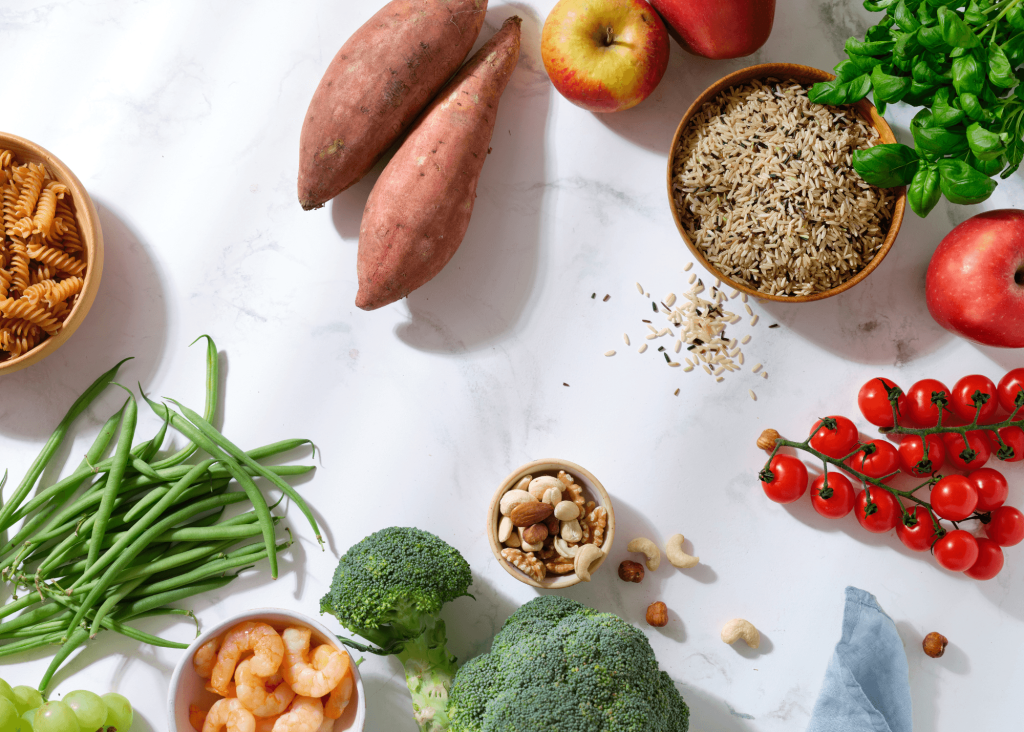
- Whole Grains: Opt for whole grains like brown rice, quinoa, and whole-wheat pasta, which provide sustained energy for workouts.
- Fruits and Vegetables: Aim for a colorful array, as different colors signify various vitamins and minerals crucial for health and recovery. Leafy greens, berries, and cruciferous vegetables are particularly beneficial.
The Role of Supplements
While whole foods should form the foundation of your muscle gain diet, sometimes supplements can fill nutritional gaps. Popular choices among fitness enthusiasts include whey protein, branched-chain amino acids (BCAAs), and creatine. Each of these can support muscle growth and recovery when used appropriately.
However, it’s crucial to remember that supplements are just that—supplements. They should not replace whole food sources but rather complement them. Always consult with a healthcare professional or a registered dietitian before adding any new supplement to your routine, ensuring it aligns with your specific goals and dietary needs.
Exploring the intricacies of meal timing, whole food incorporation, and strategic supplementation can elevate your muscle gain strategy, leading you closer to achieving your athletic objectives. Each element serves a purpose, creating a holistic approach to nutrition that not only aids in muscle development but also fosters a healthy relationship with food.
DISCOVER MORE: Click here for insights on nutrient timing
Conclusion
In the pursuit of muscle gain, developing a sustainable nutrition plan is not merely about increasing caloric intake; it encompasses a comprehensive approach that balances macronutrients, meal timing, and whole food choices. By embracing whole foods as the cornerstone of your diet, you ensure that your body receives the essential vitamins and minerals necessary for optimal performance and recovery. Lean proteins, whole grains, and a colorful assortment of fruits and vegetables serve as the foundation for nurturing muscle growth while supporting overall health.
Incorporating smart snacking habits and prioritizing pre- and post-workout nutrition can profoundly impact your results, aiding in energy levels and recovery. By spacing out meals throughout the day, you can maintain an ideal nitrogen balance, fostering muscle synthesis and improving performance. Additionally, while whole foods are paramount, understanding the role of supplements can enhance your nutrition strategy by filling any nutritional gaps, provided they are approached with caution and paired with a balanced diet.
Ultimately, the journey towards muscle gain is not just a temporary endeavor; it’s a commitment to a healthier lifestyle. By fostering a sustainable nutrition plan that emphasizes balance, variety, and informed choices, you not only enhance muscle development but also cultivate a positive relationship with food. This holistic approach can pave the way for long-term health benefits and fitness achievements, ultimately leading you to realize your full physical potential.