Decluttering with Kids: How to Teach Organization and Minimalism in the Family
Embracing a Minimalist Lifestyle with Children
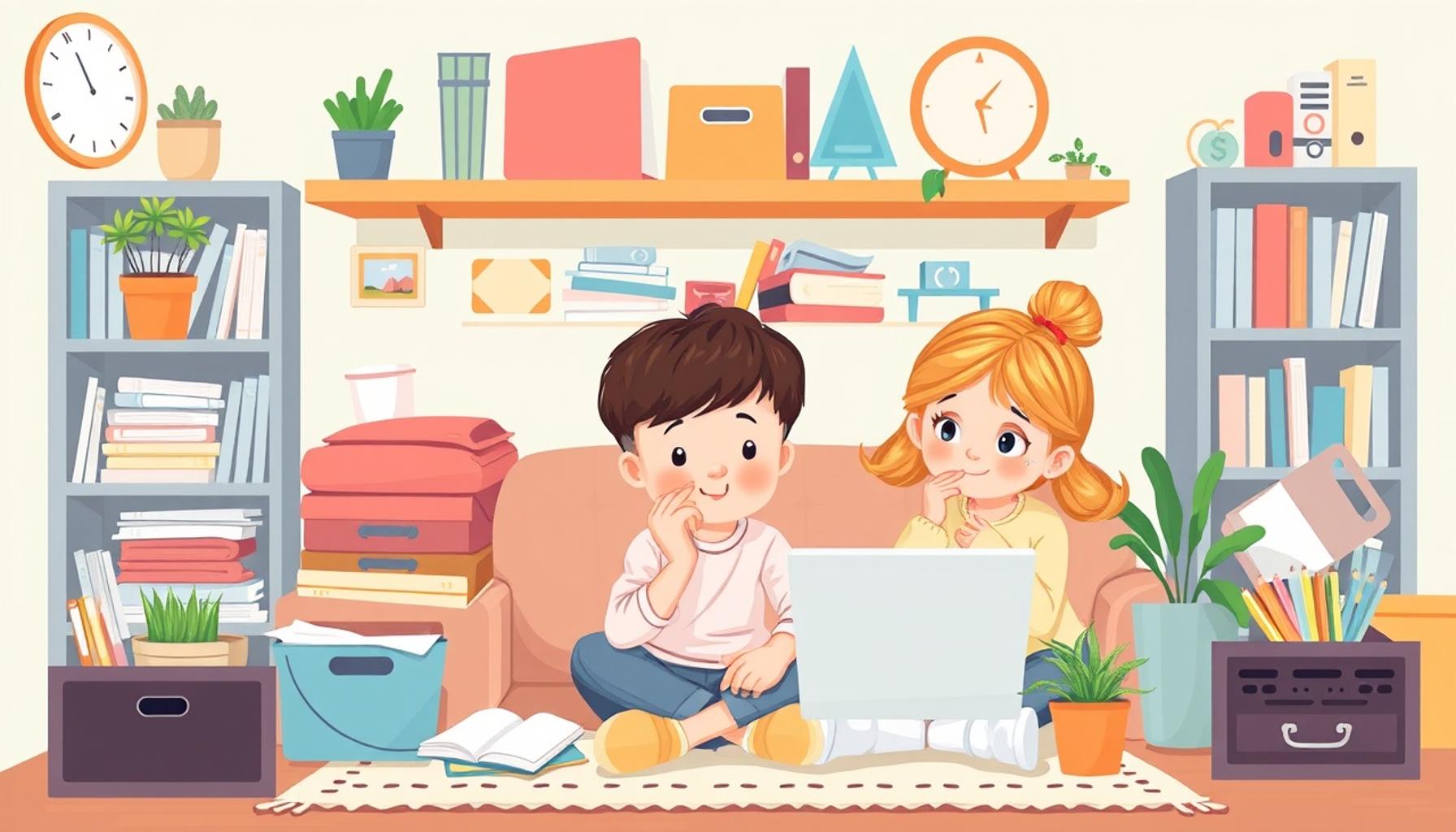
In today’s fast-paced world, clutter can easily overwhelm our lives, especially when it involves children. From toys to clothes, it can feel impossible to keep everything organized. Teaching kids to embrace organization and minimalism not only simplifies your home but also instills valuable life skills that can serve them well into adulthood.
Why is this important? Here are some compelling reasons:
- Reduces Stress: A tidy space leads to a calmer mind for both parents and children. Scientific research indicates that clutter can increase anxiety levels, impair focus, and contribute to feelings of stress. A well-organized environment can create a serene backdrop that encourages relaxation and mindfulness.
- Increases Responsibility: Kids learn to take ownership of their belongings and decisions. When children participate in decluttering, they develop a sense of accountability. They understand the value of their possessions and learn how to make decisions about what they truly need, which fosters an essential skill set for adulthood.
- Encourages Creativity: Less clutter allows for better focus and fosters imaginative play. Studies have shown that children tend to engage in more creatively enriching activities when they have fewer distractions. A minimalist area can prompt them to use their imaginations more freely, paving the way for innovative thinking.
Decluttering with kids can be a rewarding journey. It opens up opportunities for growth and learning through engaging activities. To help you along this path, here are some practical tips to spark your family’s minimalist adventure:
- Make it a Game: Turn organizing into a fun challenge. For instance, you could set a timer and see how many toys your child can sort in that time. Creating friendly competition not only makes the process enjoyable but also keeps children engaged.
- Set Clear Goals: Discuss specific areas to declutter, such as their playroom or bedroom. Setting clear, achievable goals ensures that the process is manageable. Break each area into smaller sections so that your children don’t feel overwhelmed, which can often lead to resistance.
- Celebrate Achievements: Acknowledge progress to keep motivation high. After a successful decluttering session, consider rewarding your children with a special outing or a small treat. This reinforces the idea that their efforts to maintain a minimalist environment are valuable.
By integrating these principles and practices, you’re not just clearing clutter—you’re reshaping the family’s approach to organization, nurturing a mindset of simplicity. As you teach your children the importance of minimalism, you’re preparing them for a future where thoughtful choices can enhance their quality of life. Join us as we explore how to make minimalism a family affair and reap the many benefits that come with it. Discover how a minimalist lifestyle can transform your family dynamics, allowing each member to thrive in a space that promotes peace, creativity, and connection.
DISCOVER MORE: Click here to learn about the link between consumption and emotional well-being</a
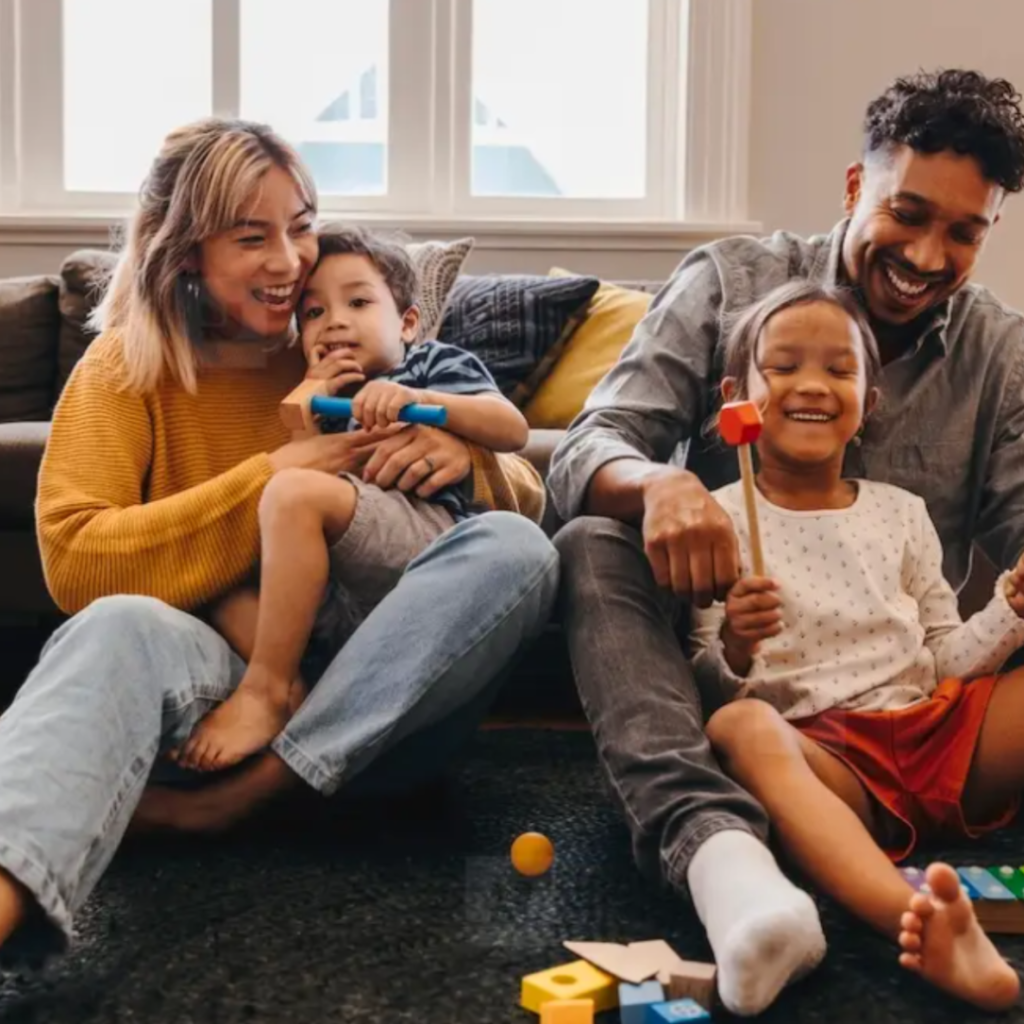
Fostering a Minimalist Mindset in Children
Teaching children the principles of organization and minimalism is not only about tidying up; it’s about cultivating an appreciation for simplicity in their lives. This journey can begin at a very young age, as children are naturally curious and eager to learn. By seamlessly integrating the concepts of decluttering into everyday life, you can help shape their perspective in a way that emphasizes quality over quantity.
The first step in this transformative process is to involve your children in the decision-making regarding their belongings. Ask questions like, “Which toys do you play with the most?” or “What clothes do you feel are your favorites?” Engaging them in discussions about their possessions empowers them and raises their awareness of what they value most. This encourages them to form their own opinions about what clutter means and how it impacts their space.
Practical Strategies for Decluttering Together
To create an effective decluttering experience with your children, it’s helpful to implement structured strategies that resonate with their interests and developmental stages. Here are some approaches you can consider:
- Use Visual Aids: Kids often respond well to visual materials. Create charts or posters to illustrate areas that need decluttering. Using stickers or checkmarks can lend a sense of accomplishment as they progress through their tasks.
- Introduce the One-In, One-Out Rule: Teach your children that for every new toy or piece of clothing they receive, they should let go of something else. This principle cultivates a mindset of moderation and reinforces the value of mindful consumption.
- Host a Family Swap: Organize a swap party with friends or family, where children can exchange toys or clothes they no longer use. This not only declutters their space but also fosters community and teaches them about sharing.
- Teach Them to Donate: Explain the impact of donations on local charities or families in need. Allow them to choose items they are ready to let go of and take pride in knowing their contributions can help others.
- Regular Decluttering Routines: Establish a frequent decluttering schedule—perhaps monthly or seasonally. Creating rituals around decluttering can instill a sense of responsibility and routine in your children, making it a normal part of life.
By incorporating these strategies, you’ll not only assist your children in organizing their environments but also gradually instill a deeper appreciation for minimalism. This process emphasizes responsibility and care for their belongings, setting the stage for a lifestyle that values mindfulness and intentionality.
Ultimately, the goal is to create an atmosphere in your home that supports growth and creativity, rather than one cluttered with excess. As you embark on this journey, consider each moment spent decluttering as an essential life lesson that reinforces the value of simplicity, enabling your children to thrive in a more organized environment.
Teaching children about organization and minimalism can be a transformative experience, fostering lifelong skills that will serve them well into adulthood. Decluttering with kids not only helps in creating a peaceful living space but also empowers them with valuable lessons about choices and the value of belongings. To effectively guide your children in this process, start by involving them in decision-making. Let them determine which items to keep, donate, or discard. This practice encourages them to think critically about their possessions and understand the significance of each item. You can introduce fun activities, such as the “one-in-one-out” rule, where they must donate or discard one item for every new item they wish to acquire.Moreover, creating an organized space can instill the principles of minimalism in children. Use moving boxes, colorful bins, or labeled drawers to store items neatly. When each category of belongings has a designated spot, it becomes easier for children to maintain order. Additionally, regularly schedule decluttering sessions as a family, creating a routine that reinforces these habits. Often, teaching organization skills can lead to increased responsibility. Children who learn how to keep their spaces organized are more likely to take pride in their possessions and develop a sense of accomplishment. Lastly, consider sharing the benefits of a minimalist approach with your family. Explain how living with fewer items can reduce stress, create clarity, and even enhance creativity. Present minimalism not as deprivation but as a choice for a more fulfilling life. In doing so, you not only declutter your home but nurture a mindset that values simplicity and intentionality. As families embrace these practices, they pave the way for a harmonious living environment while also equipping children with important life skills.
DISCOVER MORE: Click here to dive deeper
Encouraging Emotional Connections to Possessions
One crucial aspect of decluttering with kids is helping them navigate their emotional connections to their belongings. Children often form attachments to objects, whether it’s a stuffed animal, a favorite shirt, or a collection of toys. These emotions can make it challenging to part with items, even when they are no longer used. Teaching children to recognize and understand these feelings can significantly enhance their ability to declutter.
A nuanced approach is to encourage them to share stories about their possessions. Have them express why a certain toy or piece of clothing is special to them. This can aid in the emotional processing of letting go of items they’ve outgrown or no longer use. You can ask guiding questions like, “What are your favorite memories with this toy?” or “How does this shirt make you feel when you wear it?” Engaging in these conversations can illuminate the sentimental value and help children distinguish between what signifies genuine joy and what may simply be taking up space.
Creating a Memory Box
Another effective way to honor those emotional connections while decluttering is to introduce the concept of a memory box. Designate a special box for each child to keep a select number of items that hold significant emotional value. This not only provides them with a tangible way to preserve memories but also limits the quantity of items they keep, reinforcing the minimalist principle.
- Expiration of Items: Teach your children that not everything lasts forever. Help them build a system to regularly revisit their memory box, deciding what deserves to stay and what can be released. This cultivates a cycle of reflection and intentionality.
- Designate Time for Reflection: Encourage periodic family discussions regarding what items are still meaningful and how they can depart from things that no longer reflect their identities or interests. This space for introspection nurtures mindfulness that extends beyond just physical possessions.
Additionally, when embarking on the decluttering journey, consider using seasonal shifts as a natural cue for assessment. For example, as summer transitions to fall, discuss the upcoming season’s clothing needs and the toys that may no longer fit their interests. This seasonal decluttering can turn into a tradition that encourages not just organization but also a sense of change and renewal.
Connecting Decluttering to Environmental Awareness
Beyond emotional connections, teaching children about the environmental impact of consumption and waste is vital. Explain how organized spaces contribute not only to serenity in the home but also to reducing waste. When children understand that decluttering leads to less waste, particularly in a throwaway culture, they may become more motivated to embrace minimalism.
Engaging them with local community initiatives like recycling programs or environment-themed projects can further deepen their understanding. For instance, organizing a cleanup day at a local park can be a fun, family-friendly event to underscore the importance of keeping our surroundings tidy and the implications of consumer choices.
As you address emotional attachments and foster environmental consciousness, you empower your children with tools that will serve them not just in organizing their belongings today but also in shaping a more mindful approach to consumption and ownership in the future. Through these layered lessons, the journey of decluttering transcends mere organization, becoming a pivotal part of their growth as thoughtful, responsible individuals.
DISCOVER MORE: Click here to simplify your schedule
Conclusion
Involving children in the process of decluttering and organization is not just about reducing physical clutter; it presents a unique opportunity to foster essential life skills. By teaching children to grapple with emotional connections to their belongings, parents can help them navigate their attachments and make thoughtful decisions about what to keep and what to let go. This journey becomes an invaluable lesson in the principles of minimalism, encouraging a mindset that values experiences over excess.
Implementing strategies like memory boxes not only preserves cherished memories but also cultivates a sense of ownership over their personal space. Engaging in regular discussions about personal value and choices can reinforce mindfulness, enabling children to reflect on their identities. Moreover, linking decluttering to environmental awareness instills a profound sense of responsibility and respect for their surroundings, encouraging sustainable practices from an early age.
Ultimately, decluttering with kids teaches invaluable lessons about prioritization, self-regulation, and conscious living. As families embrace these practices, they can expect to foster greater emotional intelligence, a strong sense of ownership, and a commitment to a more mindful lifestyle. This holistic approach to organization not only transforms physical spaces but also strengthens family bonds, cultivating a sense of community and shared purpose. By embracing the journey together, parents and children can create homes filled with meaning, purpose, and simplicity.
Related posts:
Creating a Decluttering Schedule: Time Management Techniques for a Minimalist Lifestyle
The Art of Letting Go: Emotional Attachment and Practical Tips for Decluttering Sentimental Items
The Intersection of Minimalism and Sustainability: Eco-Friendly Decluttering Strategies
Decluttering for a Purpose: How to Identify Your Goals and Create a Meaningful Space
The Impact of Decluttering on Productivity: How a Minimalist Environment Boosts Focus
The Psychological Benefits of Decluttering: How Minimalism Enhances Mental Well-being

Linda Carter is a writer and pet care expert specializing in pet health, grooming, and wellness. With extensive experience helping pet owners create safe, loving, and enriching environments for their animals, Linda shares her knowledge on our platform. Her goal is to empower readers with practical advice and strategies to ensure their pets thrive and lead joyful, healthy lives.