How Intentional Consumption Enhances Personal Organization and Decluttering Efforts

The modern era presents consumers with an unprecedented array of choices, often resulting in a confusing barrage of products that can lead to clutter and uncertainty in our lives. Intentional consumption is about making deliberate and thoughtful decisions regarding what we buy, use, and keep. This deliberate approach not only shifts our relationship with material possessions but also enhances our personal organization and decluttering tactics.
The Connection to Personal Organization
Embracing intentional consumption goes beyond simply decluttering; it actively encourages a more streamlined and organized lifestyle. Here’s how this mindful approach manifests:
- Value-driven choices: By consciously selecting items that align with our values and needs, we significantly reduce the number of non-essential possessions entering our homes. For example, selecting a single high-quality pair of shoes that you love and will wear frequently is often more beneficial than purchasing multiple pairs that gather dust.
- Prioritizing quality: Investing in fewer, durable items means that not only do they take up less physical space, but they also tend to require less maintenance and replacement. Think of kitchenware; choosing robust and versatile cookware over cheaper, short-lived options makes both culinary and organizational sense.
- Mindful purchases: Reflecting on our purchases helps avert impulsive buys that clutter our living spaces. A simple strategy can be setting a waiting period (e.g., 30 days) before making a non-essential purchase. This process prevents hasty decisions and encourages thoughtful reflection on whether the item will truly add value to your life.
Decluttering with Purpose
Intentional consumption paves the way for effective decluttering strategies. When we remain mindful of the items that enter our homes, we can:
- Create a meaningful environment: Design spaces that echo our personal values, such as a cozy reading nook for book lovers or an organized home office for remote workers. Each space can inspire productivity and tranquility.
- Encourage regular assessments: Develop a habit of routinely evaluating our belongings based on their significance and practicality. Adopting a seasonal check-in might help in understanding what items still serve a purpose and which can be passed on or donated.
- Foster sustainable habits: By committing to a holistic approach regarding consumption and organization, we develop practices that promote longevity and sustainability. Consider recycling or upcycling items instead of discarding them, thereby minimizing waste and enhancing creativity.
In a consumer-driven society packed with overwhelming options, mastering the principles of intentional consumption can be a transformative strategy for enhancing both personal organization and decluttering efforts. As we delve deeper into this topic, more practical steps will unfold, encouraging readers to redefine their perspectives on their belongings and living spaces. Through education and mindful practices, an organized, purposeful life is truly within reach.
DIVE DEEPER: Click here to discover mindful gift-giving
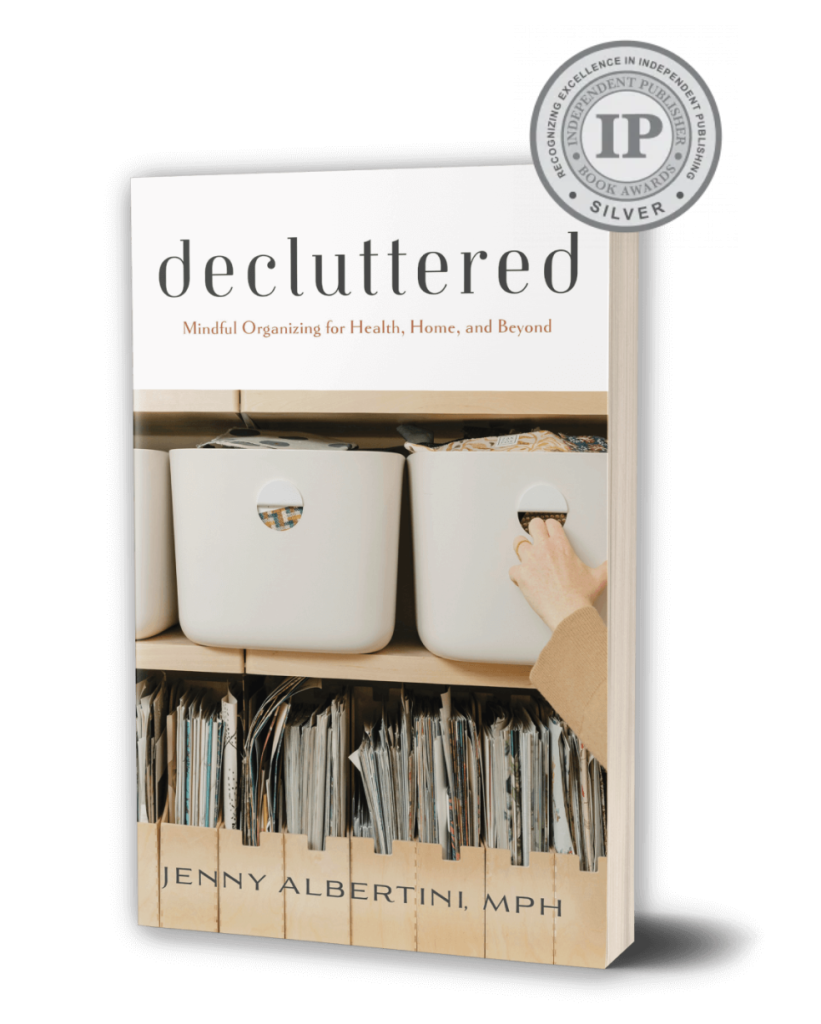
Harnessing Intentional Consumption for a Smoother Life
In a world awash with choices, the act of consumption can easily become overwhelming. Yet, embracing intentional consumption works to counter this chaos, fostering not just a more organized physical space but also a clearer mind. To understand how this mindset enhances personal organization, it’s crucial to examine the impact of conscious purchasing on our everyday lives.
Building a Foundation for Organization
Intentional consumption serves as the cornerstone of an organized lifestyle by reshaping how we view our belongings. Here are some insightful ways this practice manifests:
- Clarity in Decision-Making: When individuals commit to intentional consumption, they become more discerning about their purchases. By asking questions such as “Do I need this?” or “Does this serve a purpose in my life?” consumers can avoid clutter. For instance, prioritizing items that contribute to daily routines—like a versatile blender for health enthusiasts—over gadgets rarely used helps maintain an organized kitchen.
- Smart Storage Solutions: Mindfully curating the items we allow into our homes leads to more thoughtful storage practices. Fewer possessions mean less need for complex organization systems. Investing in multi-functional furniture, such as a bench with storage for shoes, can help manage clutter while still offering usability.
- Focus on Experiences, Not Possessions: Intentional consumers often find happiness in experiences rather than material goods. By spending money on travel, workshops, or meaningful events instead of accumulating possessions, one creates memories instead of clutter. This psychological shift helps reinforce a minimalist approach, guiding individuals toward maintaining a tidy living space.
The Ripple Effect of Conscious Choices
The influence of intentional consumption extends to every aspect of our lives, promoting a more intentional way of living. Those who practice this can:
- Enhance Emotional Well-Being: A decluttered space promotes a tranquil environment, leading to reduced stress and heightened focus. With fewer distractions, individuals can devote more attention to activities that truly matter, enhancing productivity.
- Create Sustainable Habits: By valuing quality over quantity, consumers tend to shop more responsibly. This reliance on intentionality leads to a habit of recycling or donating possessions when they no longer serve a purpose, contributing to environmental sustainability.
- Encourage a Community Mindset: Sharing, borrowing, or hosting swap events with friends fosters a sense of community while helping everyone adopt a more intentional consumption practice. It allows for the circulation of items in need, rather than allowing them to sit unused.
As we explore the topic further, it becomes clear that intentional consumption creates a domino effect—enhancing personal organization, encouraging decluttering efforts, and instilling a profound sense of purpose in how we interact with the world around us. By adopting this refreshing approach, we set the stage for a more meaningful and organized life.
| Category | Description |
|---|---|
| Awareness of Needs | Intentional consumption promotes a mindful approach towards purchasing, encouraging individuals to prioritize quality over quantity. |
| Reduced Clutter | Focusing on necessary items leads to fewer possessions, making it easier to maintain an organized and minimalist space. |
When individuals actively engage in intentional consumption, they begin to assess their true needs versus wants. This practice not only enhances their awareness of the items in their lives but dramatically influences how they approach shopping habits. Such a mindful approach to purchases can lead to a sense of empowerment, as consumers realize that they have control over their belongings and environment.Moreover, this immediacy in recognizing the necessity of each item favored through intentional consumption directly correlates with significant reductions in household clutter. By prioritizing quality over quantity, the possibility of accumulating unnecessary items diminishes. Consequently, decluttering becomes less of a chore and more of a lifestyle choice, fostering a peaceful and organized setting that can greatly improve productivity and overall well-being. This way of living not only promotes organization but paves the way for a more streamlined and fulfilling daily routine.
DIVE DEEPER: Click here to discover more
Empowering Your Lifestyle Through Mindful Choices
The journey of intentional consumption is not merely about minimizing belongings; it’s about empowering oneself with the tools and mindset to lead a more organized life. By embracing a thoughtful approach to what we bring into our homes, we unlock a more strategic means of maintaining order and simplicity. Let’s explore how this intentional practice further cements our path toward personal organization and effective decluttering.
Intentional Mindset and Limitations
Adopting an intentional consumption mindset forces us to confront the very nature of our habits, elevating our awareness about our purchasing behaviors. One significant aspect of this process is:
- Setting Limits: Establishing boundaries around spending and acquiring items is crucial. Many effective declutterers suggest implementing a one-in-one-out rule, ensuring that for every new item you introduce into your space, an old item must be disposed of or donated. This creates a natural check against accumulation, fostering discipline in all future purchases.
Connecting Values and Consumption
Intentional consumption goes beyond just organizing space; it creates an opportunity to align purchases with our core values. Consumers who recognize the significance of the items they buy are more inclined to make choices that reflect their principles:
- Ethical Shopping: Many people are becoming increasingly conscious of supporting local businesses, sustainable brands, and ethical practices. Choosing to purchase from companies that reflect one’s values not only enriches the transacting experience but also contributes to a purposeful consumption pattern. This practice minimizes the clutter that arises from impulsive, trend-driven purchases.
- Quality Over Quantity: The mantra “buy less, but buy better” resonates with many intentional consumers. Investing in high-quality, long-lasting items means fewer replacements are needed, ultimately reducing clutter over time. For example, instead of replacing cheap kitchenware every few months, a single investment in durable, well-made cookware can create both physical and emotional satisfaction.
Cognitive Benefits of Deliberate Decisions
Engaging in intentional consumption cultivates several cognitive benefits that promote personal organization:
- Improved Focus and Clarity: With an organized environment, mental clutter also diminishes. Research shows that individuals who maintain a tidy space experience better concentration and an increased ability to process information. A decluttered workspace is essential for productivity, allowing for clearer thinking and promotion of creativity.
- Mindfulness Practices: The act of slowing down to consider purchases increases mindfulness, leading to a greater appreciation for what we have. Techniques such as journaling before making a significant or impulse purchase can help clarify intentions and prevent unwanted items from entering one’s living space.
Moreover, personal organization thrives when our spaces are reflective of our values and desires, enhancing our daily experiences. By understanding how intentional consumption can streamline both possessions and mental processes, each individual can foster a lifestyle characterized by clarity, purpose, and restraint. This harmonious blend not only supports decluttering efforts but also enriches one’s overall quality of life.
DIVE DEEPER: Click here to learn more
Conclusion
In a world increasingly defined by consumerism, intentional consumption offers a refreshing antidote, fostering not just clutter-free spaces but also clear minds. By becoming conscious about the items we choose to bring into our lives, we gain the power to streamline our physical surroundings and enhance our organizational practices. The critical principles of mindful purchasing, including setting personal limits and aligning our acquisitions with our core values, pave the way for a more purposeful lifestyle.
Moreover, the cognitive benefits that arise from such deliberate decision-making extend beyond mere decluttering. With a more curated space, individuals enjoy improved focus and enhanced mental clarity, making way for creativity and productivity. This symbiosis between physical order and mental peace is rarely found in a cluttered environment, emphasizing the importance of conscious consumerism in our daily lives.
As we navigate the complexities of modern living, embracing the mindset of intentional consumption serves as a valuable tool for personal growth and empowerment. By prioritizing quality over quantity and making purchases that reflect our principles, we can transform our living spaces into sanctuaries of serenity. The journey towards organization and decluttering becomes not just a chore, but a profound opportunity for self-expression and essence refinement. In this way, intentional consumption stands as a cornerstone of a well-organized life, inviting us to reflect, reassess, and ultimately thrive.
Related posts:
The Influence of Intentional Consumption on Time Management in Minimalist Practices
How Intentional Consumption Shapes Personal Identity and Values in Minimalism
Strategies for Practicing Intentional Consumption in a Consumer-Driven Society
Intentional Consumption as a Tool for Financial Freedom in Minimalist Living
The Intersection of Intentional Consumption and Travel: Embracing Minimalism on the Go
The Impact of Intentional Consumption on Mental Clarity in Minimalist Living

Linda Carter is a writer and pet care expert specializing in pet health, grooming, and wellness. With extensive experience helping pet owners create safe, loving, and enriching environments for their animals, Linda shares her knowledge on our platform. Her goal is to empower readers with practical advice and strategies to ensure their pets thrive and lead joyful, healthy lives.