Intentional Consumption in Home Decor: Creating Meaningful Spaces through Minimalist Choices
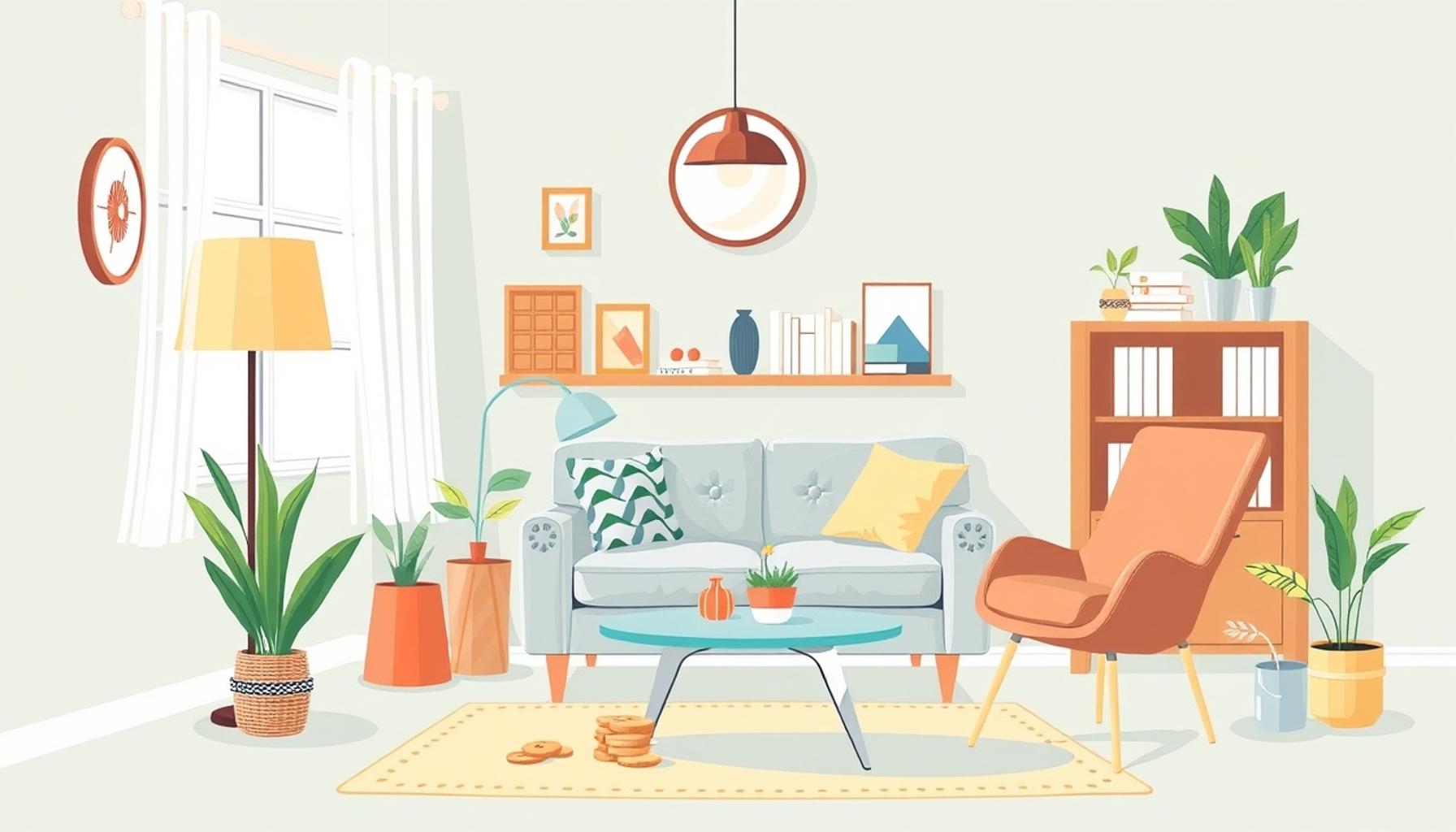
Transforming Spaces through Thoughtful Choices
In today’s fast-paced world, home decor can often feel overwhelming—so many options, styles, and trends vying for our attention. Yet, a shift towards intentional consumption offers a pathway to creating not only beautiful homes but also meaningful and tranquil spaces. Embracing minimalist choices allows us to reduce clutter, both physically and mentally, leading to a more serene living environment.
Quality Over Quantity
One of the key principles of intentional consumption is to focus on quality over quantity. In a market flooded with cheap, disposable items, it makes sense to select fewer, high-quality pieces that resonate with your values. For example, investing in handcrafted furniture made from sustainable materials not only enhances the visual appeal of your space but also supports artisans and eco-friendly practices. Rather than filling your living room with multiple low-cost decorations that may soon be replaced, opt for a single stunning piece of art that reflects your personality and serves as a conversation starter.
Timeless Design
When designing your space, consider the importance of investing in timeless designs. Trends can come and go with seasons, but classic styles—such as mid-century modern or Scandinavian minimalism—tend to stand the test of time. Investing in items that will remain relevant will not just keep your home stylish but also save you money and resources in the long run. Think of a durable leather sofa or a vintage coffee table that can transition through various styles and generations.
Emphasizing Functionality
Another critical element in the journey towards a minimalist lifestyle is to emphasize functionality. Each piece you introduce into your home should serve a purpose and enhance your daily life. For instance, multifunctional furniture like a storage ottoman or a foldable dining table can save space and add practicality to your home, making your living experience more enjoyable. This approach not only reduces excess but also fosters an organized and efficient environment that supports mental clarity.
The Impact of a Well-Curated Home
Intentional consumption in home decor fosters a profound connection between our surroundings and lifestyle. By prioritizing what we truly need and shedding the excess, we cultivate an environment that starkly opposes mindless accumulation. This can lead to significant improvements in mental health; research suggests that minimalist living can foster a sense of calm and clarity. It encourages individuals to reflect on their choices and recognize the positive impact of a well-curated space.
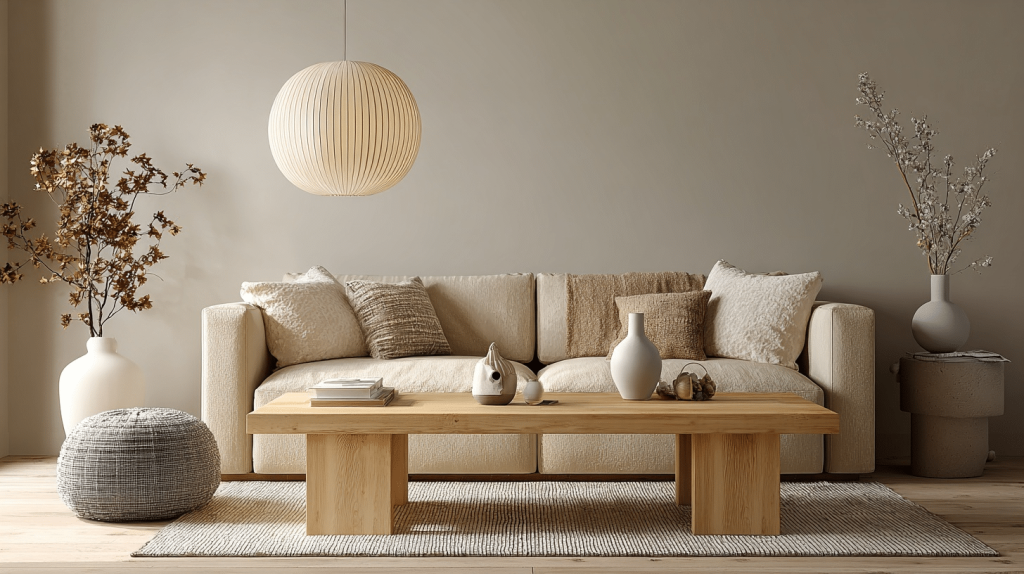
Embarking on Your Intentional Journey
As you embark on your journey of crafting intentional spaces, each decor choice becomes an opportunity for reflection. Consider whether each item brings you joy or adds to the chaos of your life. By making mindful decisions, you can transform your home into a sanctuary that resonates with your true self. This approach not only enhances your emotional well-being but also creates an inviting atmosphere for guests, transforming your home from just a living space into a cherished retreat.
DIVE DEEPER: Click here to learn more
Curating Meaningful Spaces
Creating a home that reflects your individuality while promoting peace and tranquility requires a conscious approach to purchasing decisions. Intentional consumption encourages an evaluation of what truly matters in our lives. When we embrace minimalist choices, we engage in a process that transcends mere aesthetics; it becomes a journey toward understanding our relationship with our environment.
Understanding Your Values
The first step in intentional consumption is gaining clarity on your values. What do you cherish the most? Whether it’s sustainability, craftsmanship, or family heritage, understanding your core values helps guide your choices. This introspection can prevent impulsive buys and encourage you to choose items that enhance your life. Ask yourself:
- Does this item align with my values and lifestyle?
- Am I purchasing this out of necessity or impulse?
- Will this add meaningful value to my space?
By answering these questions, you can ensure that every piece you bring into your home serves a purpose beyond mere decoration.
Celebrating Local Artisans
Incorporating locally-made items into your home decor can significantly enhance the meaning behind your choices. When you support local artisans and craftspeople, you play a role in improving your community’s economy and preserving traditional methods of craftsmanship. Unique, handcrafted items often have a personal story or cultural significance, adding depth to your home’s aesthetic. Additionally, you might consider:
- Visiting local markets and galleries to find one-of-a-kind pieces.
- Exploring community workshops to create your own decor items.
- Building relationships with artisans to understand more about their craft.
Each item in your home can tell a story, creating a rich tapestry that celebrates both your personal taste and the broader cultural landscape.
Creating a Sensory Experience
Atmosphere is essential in crafting spaces that feel both inviting and serene. Minimalism is not solely about a lack of possessions; it’s also about curating an environment that stimulates the senses in a balanced way. You can enhance your home decor through:
- Color palette: Use soft, neutral tones to promote calmness and create a cohesive look.
- Texture: Incorporate a variety of textures, such as soft textiles or smooth ceramics, which invite touch and engagement.
- Natural elements: Bring in plants or wood accents to create a connection with nature, which has been shown to reduce stress and increase well-being.
This multisensory experience can transform your home into a rejuvenating sanctuary that nurtures your mind and spirit.
Reflection and Redefining Your Space
Intentional consumption allows for ongoing reflection on what you truly value in your environment. As priorities evolve, your home can adapt accordingly. Embrace the process of regularly assessing your collection and questioning whether items still align with your goals. This reflects a commitment to creating spaces that are not just visually appealing but also deeply meaningful.
Understanding Intentional Consumption in Home Decor
In recent years, there has been a significant shift in how we approach home decor, leading to the rise of intentional consumption. This concept encourages individuals to thoughtfully consider each item they bring into their homes, promoting a more conscious, minimalist lifestyle. Emphasizing quality over quantity, intentional consumption advocates for products that not only serve a functional purpose but also contribute to a space’s overall meaning and aesthetic.One of the key aspects of intentional consumption is the idea of selecting decor that resonates on a personal level. Rather than filling a room with various decorations that lack significance, individuals are encouraged to invest in pieces that tell a story, evoke emotions, or hold sentimental value. This method not only enhances the visual appeal of a space but also creates an environment that feels both welcoming and authentic.Furthermore, intentional consumption aligns with sustainability principles. By consciously selecting items that are durable and crafted from sustainable materials, individuals can reduce waste and lessen their environmental footprint. This approach not only contributes to a healthier planet but also fosters a sense of responsibility and mindfulness in our consumption habits.As we continue to explore this theme, it’s essential to recognize the advantages of merging intentionality with minimalist choices in home decor. Below is a detailed overview of various advantages that highlight this emerging trend.
| Advantages | Impact on Spaces |
|---|---|
| Clarity and Simplicity | Reduces visual clutter, promoting a serene atmosphere. |
| Meaningful Choices | Encourages the selection of items with personal significance, enhancing emotional connection. |
By adopting these principles, individuals can transform their homes into meaningful spaces that reflect their values and lifestyles. The focus on intentionality not only elevates the decor but also enriches the overall living experience.
DIVE DEEPER: Click here to learn more
Incorporating Functional Design
In the realm of intentional consumption, functionality plays a pivotal role in home decor. As you embrace a minimalist lifestyle, it’s essential to consider how each piece serves a dual purpose—both aesthetic and practical. Choosing multifunctional items not only maximizes space but also simplifies your environment, promoting a sense of clarity and calm. For example, a stylish coffee table that doubles as a storage unit or a bench that provides both seating and hidden compartments for blankets can enhance your home while reducing clutter. When shopping, reflect on:
- How can this item serve multiple needs in my home?
- Does it solve a problem or improve my living space?
- Is it adaptable to changing circumstances or needs?
By selecting items that bring both beauty and utility into your home, you ensure that every choice contributes to a more cohesive and meaningful environment.
Embracing Sustainable Practices
The modern consumer landscape presents a pressing necessity for sustainability, pushing us toward eco-conscious choices. Incorporating sustainable materials, such as reclaimed wood or recycled textiles, into your home decor not only benefits the environment but also promotes a deep sense of connection to the earth. Research shows that living in an eco-friendly space can greatly enhance one’s mental well-being. Consider the following strategies:
- Seek out furniture made from sustainable resources like bamboo or recycled metals.
- Opt for low-VOC paints and finishes that contribute to better indoor air quality.
- Invest in quality, timeless pieces rather than fast fashion decor, which often ends up in landfills.
When you prioritize sustainability, you cultivate a home that resonates with ecological responsibility, inviting not only physical beauty but also ethical integrity into your space.
Personalization through Memory
Intentional consumption also extends to the emotional component of home decor—how items evoke memory and story. Curating decor that reflects your personal history encourages a deep connection with your space. Rather than filling your walls with generic art, consider displaying photographs, travel souvenirs, or cherished gifts that narrate your journey. You might think about:
- Creating a dedicated gallery wall featuring family photos or art that resonates with your past.
- Incorporating heirlooms that carry family stories, such as a grandfather’s clock or a quilt passed down through generations.
- Personalizing your decor with DIY projects that hold sentimental value, like paintings created during memorable vacations.
These meaningful mementos transform your home into a sanctuary of remembrance and appreciation, reinforcing your identity and sense of belonging.
Adopting a Mindful Shopping Mindset
Finally, the practice of mindful shopping is integral to intentional consumption. In a consumer-driven society, it’s easy to become overwhelmed by choices and marketing tactics that push for unnecessary purchases. Cultivating a mindful approach to shopping ensures that you prioritize your values above external pressures. Techniques to embrace include:
- Establishing a waiting period before making significant purchases, allowing you to cool off from impulse buying.
- Keeping a wishlist to track items that genuinely align with your needs and desires, preventing unplanned acquisitions.
- Conducting thorough research on the companies you buy from to ensure they align with your ethical standards and values.
By developing a mindful shopping habit, you create a deeper awareness of your consumption patterns and, ultimately, cultivate a more purposeful environment at home.
DIVE DEEPER: Click here to uncover more insights
Conclusion: Curating Spaces with Intention
As we navigate the complexities of modern life and consumerism, intentional consumption in home decor emerges as a transformative approach to creating meaningful spaces. By embracing minimalist choices, we can foster environments that reflect our values and enhance our well-being. Each thoughtfully selected item can serve multiple purposes, merging beauty with functionality. This careful curation not only maximizes our living spaces but also instills a sense of calm and order amidst the clutter of daily life.
Moreover, the shift toward sustainable practices reinforces our connection to the planet, allowing us to craft homes that are not only visually appealing but also ethically conscious. By choosing sustainable materials and investing in quality pieces, we contribute to a healthier environment while also curating a backdrop filled with stories and memories that define our journey.
The act of personalization through meaningful decor creates a sanctuary that celebrates individuality and history. Integrating personal mementos into our spaces not only enhances aesthetic appeal but also strengthens our sense of belonging and identity within those spaces. Coupled with a mindful shopping mindset, we become discerning consumers, making choices that genuinely align with our needs and desires.
In conclusion, intentional consumption in home decor invites us to rethink how we interact with our surroundings. It challenges us to create spaces that are not just consumed but cherished—spaces that tell our stories, reflect our values, and cultivate tranquility. By prioritizing mindfulness and meaningful choices, we can all contribute to building homes that resonate with purpose and beauty.
Related posts:
How Intentional Consumption Shapes Personal Identity and Values in Minimalism
The Intersection of Intentional Consumption and Travel: Embracing Minimalism on the Go
The Influence of Intentional Consumption on Time Management in Minimalist Practices
The Role of Intentional Consumption in Building Sustainable Habits for a Minimalist Lifestyle
Exploring the Connection Between Intentional Consumption and Emotional Well-Being in Minimalism
How Intentional Consumption Enhances Personal Organization and Decluttering Efforts

Linda Carter is a writer and pet care expert specializing in pet health, grooming, and wellness. With extensive experience helping pet owners create safe, loving, and enriching environments for their animals, Linda shares her knowledge on our platform. Her goal is to empower readers with practical advice and strategies to ensure their pets thrive and lead joyful, healthy lives.