Open Spaces: The Importance of Minimalist Design in Creating Calm and Functional Environments
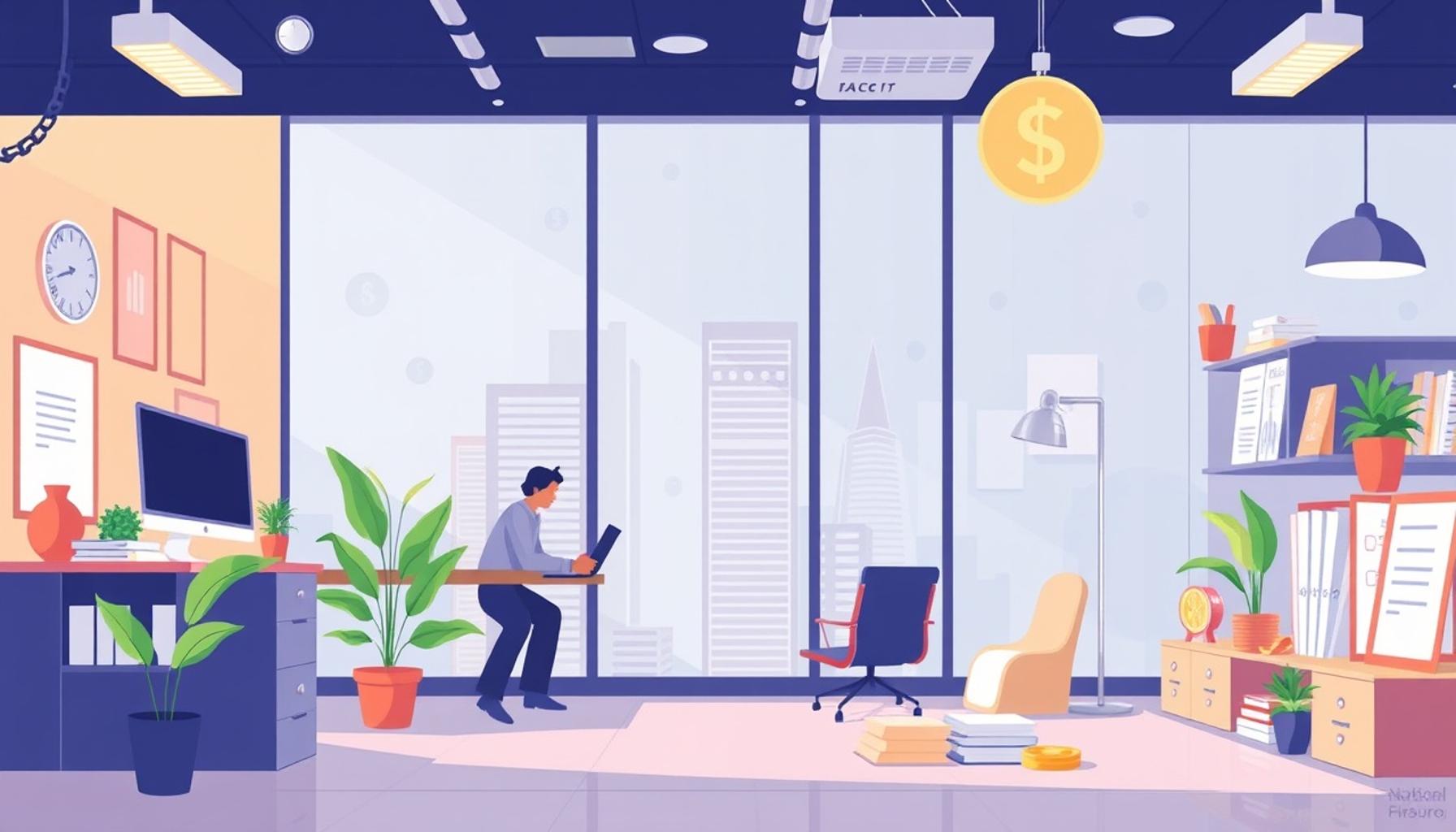
The Allure of Minimalist Design
As we navigate through bustling city life and the constant influx of information, many individuals are discovering the profound benefits of adopting a minimalist design approach in their personal and professional spaces. The aesthetic of simplicity not only pleases the eye but also enhances our mental and emotional well-being. This design philosophy encourages an organization that emphasizes functionality, decluttering our environments to foster a sense of ease and serenity.
Creating Clear Mental Spaces
One of the most notable advantages of minimalist design is the ability to cultivate clear mental spaces. In spaces void of excessive decorations or distractions, our minds can breathe freely. Numerous studies indicate that individuals who work in uncluttered environments report higher levels of concentration and focus. For example, a study conducted by the Princeton University Neuroscience Institute found that individuals performing tasks in cluttered environments experienced increased cognitive overload, leading to decreased performance. By embracing minimalism, we can create workspaces that enhance creativity and productivity.
Enhanced Functionality and Usability
A minimalistic approach not only beautifies a space but enhances its functionality. Simplified designs encourage the use of multi-functional furniture and thoughtful layouts, which prioritize usability over excess. For example, consider the sleek, modular furniture that has become popular in modern homes — sofas that easily transform into beds and coffee tables with hidden storage. These design choices maximize space, especially important in urban settings where square footage is often limited, allowing residents to enjoy their homes without feeling cramped.
Emotional Tranquility through Design
The ambiance of emotional tranquility emerges through refined aesthetics. Neutral colors, clean lines, and natural materials, such as wood or stone, create a serene atmosphere that many find restorative. The psychological effects of color also play a pivotal role; soft blues and earthy tones can invoke calmness, while brighter shades can stimulate energy. In recent years, wellness-oriented spaces have become a focal point in interior design, with trends emphasizing how our surroundings can impact our mood and overall mental health.
Remote Work and the Need for Functionality
Particularly in light of the surge in remote work across the United States, creating functional and aesthetically pleasing home environments has become essential. With people spending more time in their own spaces, the demand for designs that optimize work-life balance is rising. Many are investing in minimalist home office setups that eliminate distractions and promote productivity, from stand-up desks to ergonomic chairs, reinforcing the idea that our environments significantly impact our productivity and overall happiness.
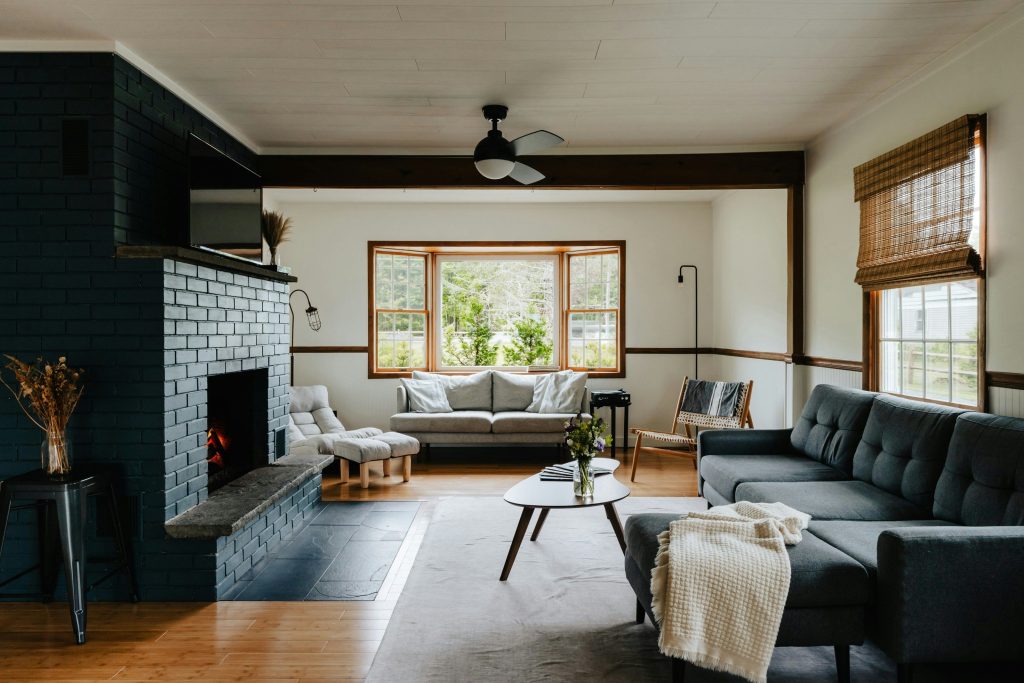
As we delve deeper into the concept of open spaces, we realize that every minimalist decision made contributes to an overall cohesive design aesthetic. The beauty of minimalism lies in its ability to create an atmosphere of clarity and purpose while still allowing for personalized touches. By reducing clutter and prioritizing essential elements, individuals can transform their interactions with their surroundings, leading to a tranquil, purposeful lifestyle that echoes the principles of minimalism.
DISCOVER MORE: Click here to learn about seasonal minimalism
Understanding the Value of Open Spaces
Open spaces are integral to the minimalist design ethos, enhancing the overall functionality and aesthetics of any environment. These areas provide a sense of freedom and lightness, allowing natural light to filter in and breathe life into the surroundings. In a world where urban density is on the rise, the need for calm and functional environments has never been more crucial. According to a report from the American Institute of Architects, buildings designed with open spaces not only contribute to emotional well-being but also promote healthier lifestyles by facilitating movement and social interaction.
The Impact of Open Spaces on Well-Being
Research highlights that environments with ample open space lead to reduced stress levels and greater life satisfaction. A study published in the journal Environment and Behavior pointed out that individuals living in homes with more open space reported fewer mental health issues and a greater sense of community. This effect can be further amplified by incorporating natural elements, such as plants and natural light, into the design. Some key benefits of open spaces include:
- Improved Mental Health: Access to open environments can decrease anxiety and encourage a more positive outlook.
- Enhanced Social Connections: Open spaces facilitate gatherings, thereby fostering a sense of belonging among residents.
- Increased Physical Activity: Expansive layouts encourage movement, vital for a healthy lifestyle.
- Better Air Quality: Open areas allow for increased ventilation and circulation, contributing to overall health.
Designing for Versatility and Flow
The successful integration of open spaces within minimalistic frameworks often includes versatile solutions that allow for fluid transitions between areas. For instance, homes designed with an open floor plan enable different functionalities, such as dining, living, and workspace, without the constraints of traditional walls. This can be particularly useful for families or individuals who value flexibility in their environments. Moreover, minimalistic design principles encourage the use of modular and adaptable furniture that can easily shift from one function to another, thus enhancing not only the functionality of a space but also its appeal.
Color and Texture: The Subtle Art of Minimalism
The careful selection of color and texture significantly impacts the experience of open spaces. By adhering to a cohesive color palette that promotes tranquility—such as soft grays, whites, and earthy tones—designers can create environments that feel expansive rather than restrictive. Textures also play a pivotal role; incorporating materials such as wood, wool, or stone adds warmth and depth to a minimalist space, further enhancing its calming effect. As trends shift, individuals looking to cultivate calm environments are increasingly favoring less-complex design schemes that still convey personality through curated selections.
In conclusion, the thoughtful application of open spaces within minimalist design allows individuals to forge environments that resonate with tranquility and functionality. Not only does an open layout allow for seamless movement and interaction, but it also cultivates a profound sense of well-being that is essential in today’s fast-paced world. Understanding how these elements work together invites deeper exploration into the enhanced lifestyle that minimalist design promotes.
As we dive deeper into the world of minimalist design, it’s essential to understand how open spaces contribute significantly to our overall well-being. By eliminating clutter, minimalist environments promote a sense of peace and clarity, allowing individuals to focus on what truly matters. The reduction of visual distractions creates a calming atmosphere, which is particularly beneficial in fast-paced settings such as offices and homes.
Furthermore, minimalist design encourages natural light to flood the space, enhancing mood and productivity. Studies have suggested that exposure to daylight can lead to improved mental health, making open spaces not only aesthetically pleasing but also psychologically beneficial. Incorporating large windows or open layouts can help facilitate this flow of light, bridging the gap between the indoor and outdoor environments.
Another crucial aspect of minimalist design is its emphasis on functionality. Each element within a minimalist space serves a distinct purpose, ensuring that everything from furniture to decor contributes positively to the environment. This approach minimizes unnecessary items and aligns with the concept of sustainable living, as it encourages individuals to invest in quality design elements that withstand the test of time.
The versatility of open spaces is also notable—they can be tailored to various activities, allowing for both personal reflection and social interaction. This balance is vital in creating environments that cater to diverse needs while maintaining a harmonious and inviting atmosphere. As we redesign our spaces with minimalism in mind, we enhance not only our surroundings but also our mental clarity and functionality.
| Advantages | Characteristics |
|---|---|
| Clutter Reduction | Promotes mental clarity and reduces anxiety. |
| Enhanced Natural Light | Improves mood and increases productivity. |
| Functionality | Each item serves a purpose, maximizing utility. |
Minimalist design is about curating your space thoughtfully, allowing every piece to tell a story while contributing to a larger narrative of tranquility and functionality. This intentional arrangement invites a lifestyle where peace, productivity, and clarity reign supreme, highlighting the profound impact our environment has on our daily lives.
DISCOVER MORE: Click here for innovative storage solutions
Creating Harmonious Relationships Between Indoor and Outdoor Spaces
Integrating outdoor spaces into minimalist design principles serves to enhance the overall feeling of openness and tranquility. This connection with nature—not only through panoramic views but also via the inclusion of patios, balconies, and gardens—can significantly amplify one’s sense of peace. Biophilic design, a concept gaining traction in contemporary architecture, emphasizes the importance of incorporating natural elements within urban settings. A study published in the Journal of Urban Design indicates that environments that foster this bond with nature lead to lower stress levels and an elevation in overall life satisfaction.
The Role of Natural Light
Natural light is a cornerstone of minimalist design and is critical in creating calming environments. Research from the University of Oregon found that exposure to natural light significantly boosts mood, reduces symptoms of depression, and enhances productivity. Open spaces allow for the widespread penetration of sunlight, which not only brightens the space but also minimizes the need for artificial lighting, thus reducing energy consumption. Adding large windows, skylights, or glass doors can create seamless transitions between indoor and outdoor spaces, thereby maximizing natural light while also enhancing a sense of connection with the surroundings.
Less is More: The Power of Decluttering
One of the fundamental tenets of minimalist design is the philosophy of less is more. By eliminating excess furniture and decor, open spaces can flourish, offering a clear visual pathway and reducing cognitive load. According to the National Institute of Health, cluttered environments can contribute to increased stress levels and decreased focus. It requires a conscious effort to curate possessions thoughtfully, choosing only items that serve functional purposes or evoke joy. This clarity fosters a serene environment that empowers individuals to attain greater mental clarity and focus, essential components for productivity and emotional balance.
The Influence of Sound: Acoustic Considerations in Minimalist Design
Sound plays a crucial role in creating calm environments, and the layout of open spaces can significantly influence acoustic performance. Minimalist design that incorporates sound-absorbing materials—such as carpets, textiles, and acoustic panels—can mitigate noise distractions, contributing to a more tranquil atmosphere. Research from the Acoustical Society of America shows that environments designed with sound considerations can lead to enhanced concentration and reduced stress levels, further underscoring the importance of open, thoughtfully designed spaces.
<h3The Future of Open Spaces: Sustainable Minimalism
As sustainability continues to gain importance in design conversations, the concept of sustainable minimalism emerges as a compelling direction for open spaces. Architects and designers are increasingly focusing on using sustainable materials, maximizing energy efficiency, and promoting longevity over fast consumerism. Innovations like vertical gardens, rainwater harvesting systems, and energy-efficient building materials are paving the way for open environments that are not only visually appealing but also resource-conscious. The ever-growing demand for sustainability aligns seamlessly with minimalist design principles, encouraging spaces that remain functional while fostering a deep respect for the environment.
DISCOVER MORE: Click here to dive deeper
Conclusion: Embracing Minimalism for Tranquility and Functionality
In a world increasingly cluttered with distractions and noise, the principles of minimalist design offer a breath of fresh air, encouraging us to create open spaces that prioritize calmness and functionality. The strategic integration of natural light, sound management, and sustainable practices not only fosters a serene atmosphere but also promotes mental clarity and efficiency. By cultivating a harmonious relationship between our indoor environments and the natural world, we invite tranquility into our lives, reinforcing our well-being both personally and professionally.
The emphasis on decluttering and intentionally curating our spaces empowers individuals to focus on what truly matters, allowing for deeper connections with our surroundings and ourselves. As the concept of sustainable minimalism gains traction, it becomes increasingly clear that the choices we make today can yield not only aesthetic beauty but also significant environmental benefits. By championing sustainable materials and eco-friendly practices, we can create open spaces that honor both individual needs and our planet.
Ultimately, embracing minimalist design in creating calm and functional environments opens the door to a new way of living—one that prioritizes mental wellness, ecological sustainability, and thoughtful design. As we continue to navigate the complexities of modern life, the integration of these principles will be essential in shaping serene retreats that offer respite from the chaos, inviting us all to slow down, breathe, and find peace in simplicity.
Related posts:
The Journey of Detachment: How to Simplify Your Life Through Minimalism
How to Create a Regular Decluttering Routine to Maintain a Simple Lifestyle
Daily Rituals to Adopt a Simple and Organized Lifestyle
The Impact of Simple Living on Mental Health and Well-being
The Art of Letting Go: How Simple Living Can Transform Your Life
Demystifying Simple Living: How to Find Joy in Simple Things

Linda Carter is a writer and pet care expert specializing in pet health, grooming, and wellness. With extensive experience helping pet owners create safe, loving, and enriching environments for their animals, Linda shares her knowledge on our platform. Her goal is to empower readers with practical advice and strategies to ensure their pets thrive and lead joyful, healthy lives.