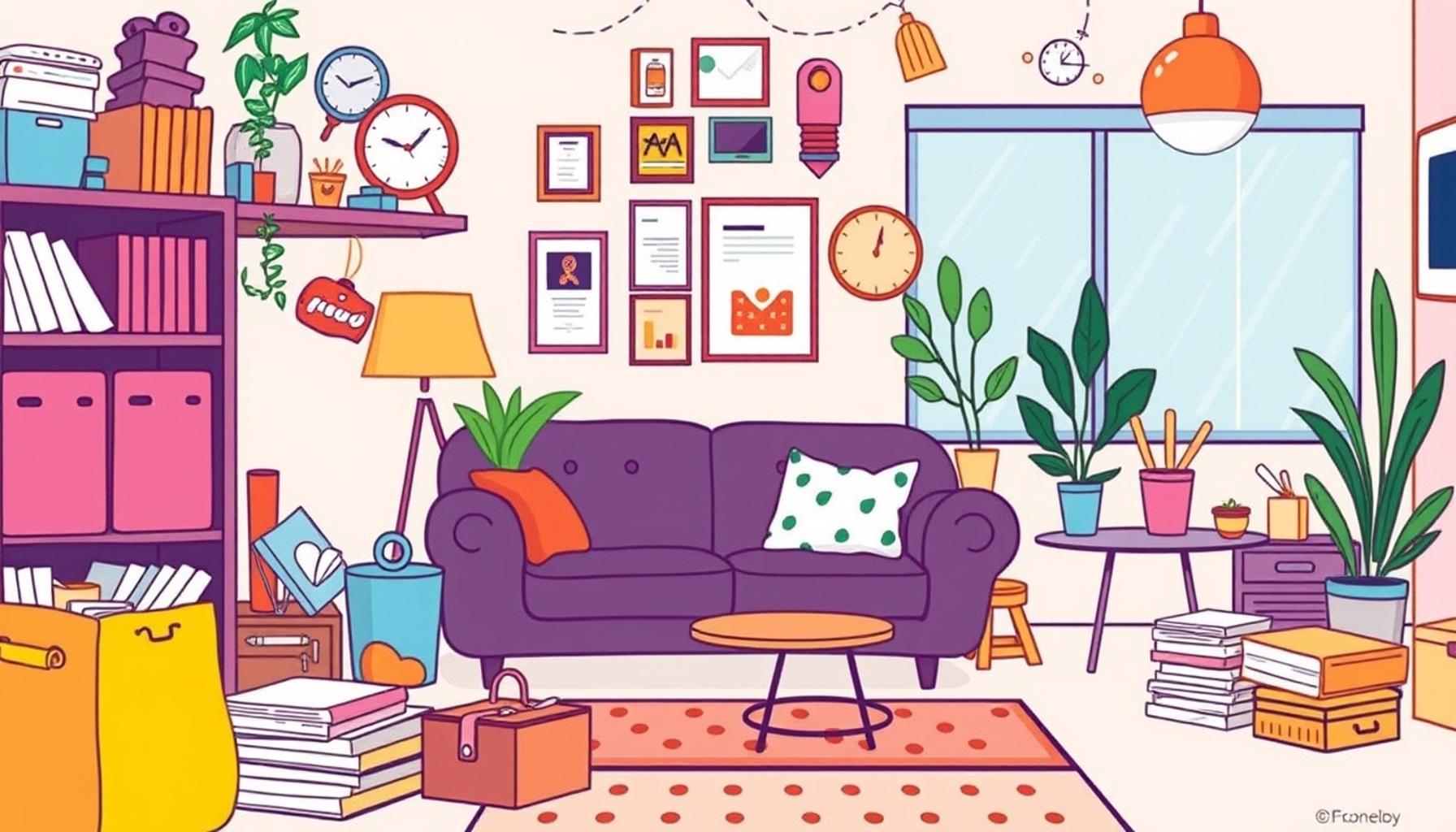
Step-by-Step Decluttering Strategies for Small Spaces: Maximizing Functionality and Style
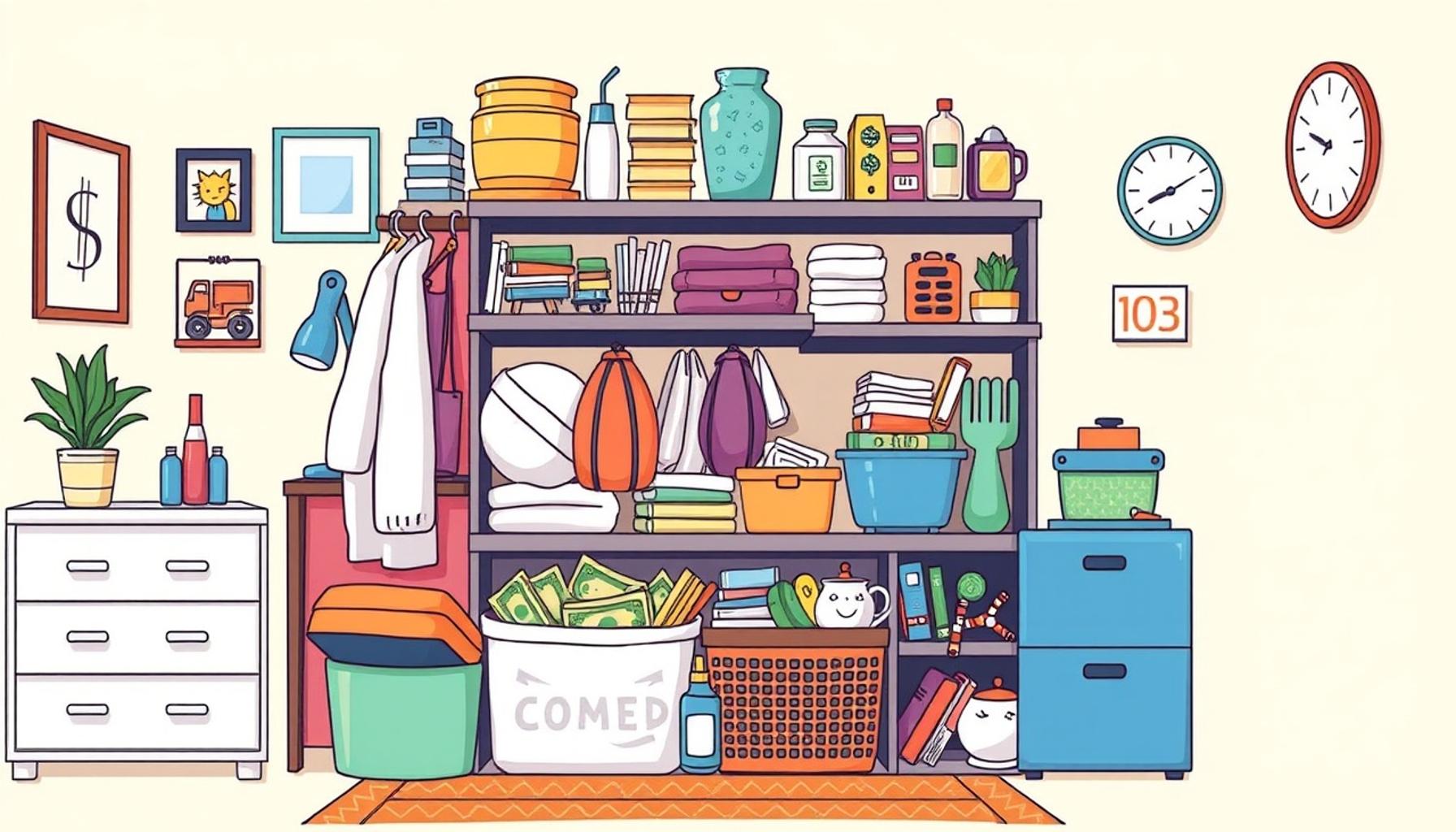
Transform Your Space with Expert Decluttering Tips
Living in small spaces poses unique challenges, especially when it comes to organization and style. However, with the right step-by-step decluttering strategies, you can maximize both functionality and aesthetics. Whether you are in a cozy apartment or a tiny home, implementing effective systems can lead to a more serene and stylish environment.
Here are some core principles to consider when approaching your decluttering journey:
- Assess Your Needs: Begin by evaluating your daily routines. Identify essential items you use regularly, like kitchenware or office supplies, and distinguish them from seldom-used belongings such as seasonal decorations or outdated electronics. You might find that a deep freezer is unnecessary if you often dine out, while a dedicated workspace in a small apartment could be essential for productivity.
- Establish Zones: It’s vital to designate areas for specific activities to enhance flow and accessibility. For instance, in a studio apartment, create a clear separation between your sleeping area and workspace. Utilizing rugs can visually demarcate these zones, while furniture placement encourages smooth transitions. Consider using shelving or room dividers to add both structure and style to your space.
- Evaluate Your Furniture: Multi-functional furniture is a game-changer for decluttering small spaces. Look for items like storage ottomans that can serve as seats and conceal clutter, or wall-mounted desks that free up floor space. A foldable dining table can be a practical yet stylish addition, expanding when needed and tucking away neatly when not in use.
Understanding which strategies work best for your lifestyle is essential. As you dive deeper into decluttering, consider these additional insights:
- Declutter Regularly: Create a routine for assessing your belongings every few months. This habit can keep clutter at bay and ensure that you’re surrounded by only items you love and use. A bi-annual decluttering session, akin to the spring cleaning tradition, can help you refresh your space and mindset.
- Repurpose and Recycle: Get creative with your possessions. An unwanted drawer can become a trendy wall shelf, while old clothes can be transformed into home rags or even upcycled into art projects. Consider donating items to local charities or participating in community swap events to give your unwanted items a second life.
- Infuse Style: Decluttering doesn’t mean sacrificing aesthetics. Use decorative storage options, such as stylish baskets or chic boxes, to store items while enhancing the visual appeal of your space. For example, vibrant, woven baskets can add a pop of color to a minimalist room while keeping it organized.
By adopting these decluttering strategies, you’ll create more space and enhance the visual harmony of your home. Remember, your living area should be a reflection of who you are, free from unnecessary distractions. Embracing these tips will lead you on a journey to transform your small space into a functional, stylish retreat, inviting tranquility into your everyday life.
DISCOVER MORE: Click here to learn about intentional consumption
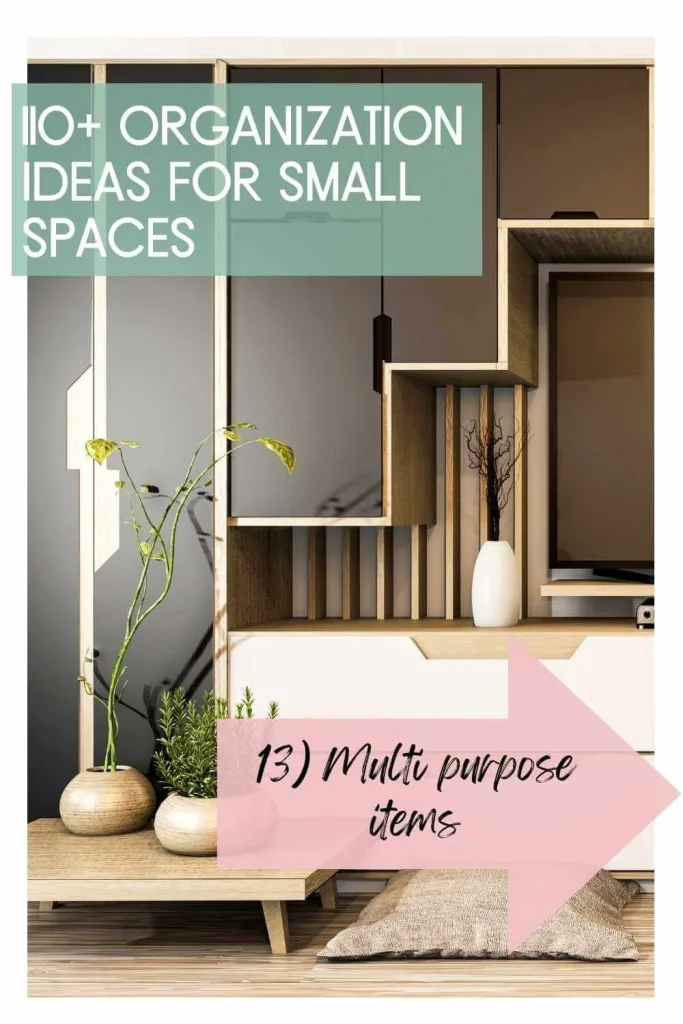
Kickstart Your Decluttering Journey
Embarking on the process of decluttering small spaces can feel overwhelming, but breaking the task into manageable steps can lead to significant results. Implementing effective decluttering strategies not only clears your physical space but also rejuvenates your mental state. Follow these steps to maximize both functionality and style in your small living areas:
Begin with a Plan
Before you dive headfirst into decluttering, it is crucial to devise a well-structured plan. Establish a timeline that suits your schedule and sets realistic goals. For instance, you might choose to dedicate a weekend to each room or focus on one area per evening after work. This targeted approach prevents burnout and allows you to appreciate the progress you’re making.
Sort and Categorize
Once you have a plan in place, the next logical step is sorting your belongings. Use the four-box method to simplify this process:
- Keep: Items you need and use often.
- Donate: Good condition items that you no longer need or use, which can help others in your community.
- Sell: Valuable items that can be put on platforms like eBay or Craigslist for extra cash.
- Trash: Broken or unusable items that can be disposed of responsibly.
By categorizing your items, you create a visual representation of what you truly cherish and what can be let go. It’s a liberating experience to see the tangible results of your efforts, making it easier to commit to your decluttering journey.
Streamline Storage Solutions
When dealing with small spaces, optimal storage plays a key role in functionality. Investing in vertical storage solutions can effectively utilize wall space, allowing for shelves or cabinets that don’t hog valuable floor area. Look into options like:
- Wall shelves: Perfect for displaying books, plants, or decorative items.
- Under-bed storage: Bins or drawers can house off-season clothing or footwear without taking up room in your closet.
- Hooks and racks: These can provide a stylish way to hang kitchen tools, bags, or accessories, keeping them easily accessible.
Additionally, consider using furniture that incorporates built-in storage, such as coffee tables with hidden compartments or bed frames with drawers underneath. These pieces not only save space but also help maintain a clean and organized appearance.
Maximize Closet Efficiency
Your closets can be gold mines for maximizing storage efficiency in small spaces. Start by emptying and cleaning them thoroughly. Once purged of unnecessary items, organize what remains into categories, such as work attire, casual wear, and seasonal clothing. Using matching hangers can create a cohesive look, further enhancing the closet’s appeal.
To optimize vertical space, utilize cascading hangers for skirts and pants, or install additional shelves for shoes and folded clothing. Consider adding storage bins to hold accessories and small items while keeping them out of sight but easy to grab when needed.
Through these initial steps, you’ll find that the process of decluttering small spaces can lead to not only greater functionality but also improved style within your home. Stay tuned for more strategies to further enhance your space and create a cozy, inviting atmosphere.
Step-by-Step Decluttering Strategies for Small Spaces
Embarking on a decluttering journey can feel daunting, especially when faced with the constraints of small spaces. However, with the right strategies, you can transform your living area into a functional and aesthetically pleasing environment. Here’s a detailed approach to help you tackle this challenge effectively.
1. Set Clear Goals
Before diving into the decluttering process, take time to identify what you want to achieve. Are you looking for a more organized entryway, a minimalist kitchen, or perhaps a serene bedroom retreat? Setting specific goals helps maintain focus and motivation throughout.
2. Start Small
Begin with one area at a time. It may be as simple as a single drawer or a corner of a room. Working in smaller sections allows you to see progress without feeling overwhelmed. This also helps you make quicker decisions about what to keep and what to discard.
3. Sort and Categorize
Utilize the Four-Box Method: Keep, Donate, Sell, and Trash. As you go through your items, place each one in one of these boxes. This systematic approach ensures that nothing gets overlooked and encourages you to evaluate the necessity of your possessions critically.
4. Optimize Storage
Small spaces require smart storage solutions. Look for vertical storage options, such as shelves and wall-mounted organizers, to make use of often-overlooked areas. Multi-functional furniture, like ottomans with hidden compartments, can also maximize your space while adding style.
5. Embrace Minimalism
By adopting a minimalist mindset, you can simplify your space further. Focus on quality over quantity; choose decor and furniture that you genuinely love and that serve a purpose. This approach not only declutters your physical space but also promotes a calmer mindset.
6. Maintain the Momentum
Once you’ve decluttered, establish maintenance habits to keep your space in order. Designate a ‘one in, one out’ rule to prevent future clutter build-up—whenever you bring in a new item, consider donating or disposing of an old one. Regular check-ins every month can also help you stay on track.
Through these individualized steps, you can build a foundation of organization and style in your small space. The journey may be gradual, but the impact is transformative, allowing you to enjoy both functionality and beautifully curated aesthetics within your home.
| Category | Key Features |
|---|---|
| Space Optimization | Utilizing vertical space with shelves and hooks. |
| Functional Decor | Selecting furniture that serves multiple purposes. |
By following these tailored strategies, you’ll not only reclaim your space but also discover new layers of style that reflect your personality. Invest the time, and witness how these decluttering principles can lead to a revitalized living space that inspires and functions effectively.
DIVE DEEPER: Click here to discover the impact of color psychology
Enhance Your Decluttering Strategy
As you embark on the journey to declutter and optimize your small space, it’s essential to incorporate innovative practices that can streamline the process and elevate your living environment. After sorting and organizing your belongings, there are further strategies to enhance functionality and style. Delve deeper into these advanced techniques to make your small spaces feel more open and stylish.
Utilize Multi-Functional Furniture
When it comes to maximizing a small area, multi-functional furniture is your best friend. These pieces serve more than one purpose, allowing you to save space while enhancing the functionality of your room. For instance:
- Sofa beds: Perfect for accommodating guests without sacrificing living space.
- Ottomans with storage: They provide extra seating while concealing blankets or books inside.
- Coffee tables with lift tops: This design offers a hidden workspace or dining option, combining utility and style seamlessly.
Choosing furniture that looks good and serves multiple functions can lead to a more streamlined aesthetic while allowing you to maintain a clutter-free space. Be sure to measure your space to find pieces that fit just right—not too large to overwhelm and not too small to be ineffective.
Embrace Minimalism in Decor
Minimalism is not just a design choice; it’s a powerful decluttering strategy. By adopting a minimalist decor approach, you create a serene living environment that promotes peace of mind. Consider these tips when implementing a minimalist aesthetic:
- Limit decorative items: Aim for a few curated pieces of art or decor instead of numerous small items. This reduces visual clutter and draws attention to your favorites.
- Maintain a neutral color palette: Soft colors open up space and make a room feel airy. Consider whites, greys, or subtle pastels to keep the atmosphere light.
- Opt for natural light: Maximize windows and light sources to enhance the feeling of space. Light sheer curtains can help let in more sunlight, creating an inviting atmosphere.
Remember, the goal of minimalism is to choose *quality over quantity*. Focus on what resonates with you and brings joy to your living environment, reducing excess along the way.
Incorporate Smart Technology
Technology can significantly aid your decluttering process and enhance the functionality of small spaces. Smart home devices can streamline organization and simplify your daily routine. Some examples include:
- Smart plugs: Control lamps and electronics remotely, ensuring that you only use what you need when you need it.
- Voice assistants: Utilizing devices like Amazon Alexa or Google Home can help you keep track of your tasks or schedule reminders for essential decluttering sessions.
- Smart storage solutions: Consider app-connected storage bins that announce full capacity or organize items efficiently.
Integrating technology into your home can declutter your life and assist you in managing your space more efficiently while allowing for a modern and stylish ambiance.
Regular Maintenance is Key
Lastly, establishing regular maintenance routines can help you keep your small spaces clutter-free over time. Setting aside time each month for a mini declutter—whether it’s a quick clean-out of the closet, a review of bookshelves, or a check for expired items in the pantry—can prevent clutter from building up again.
Further, adopting the 30-Day Rule—whereby if you haven’t used an item in the past 30 days, consider donating it—can help you stay aware of what needs to go. Regularly reassessing your belongings will be instrumental in maintaining both style and functionality within your small living area.
DISCOVER MORE: Click here for insights on multi-functional furniture
Conclusion
In summary, mastering the art of decluttering in small spaces requires a holistic approach that intertwines functionality and style. By employing multi-functional furniture, you can save valuable square footage while still enhancing the utility of your environment. Embracing a minimalist decor not only promotes a serene atmosphere but also helps keep distractions at bay, allowing your space to breathe and reflect tranquility.
Furthermore, integrating smart technology into your home can significantly streamline your organization efforts, making the maintenance of your decluttering journey simpler and more efficient. Regularly re-evaluating your belongings through established routines ensures that clutter doesn’t creep back in, ultimately preserving the aesthetic and functionality you worked so hard to achieve.
As you embark on this decluttering adventure, remember that the process is as much about curating your lifestyle as it is about organizing your belongings. It’s about surrounding yourself with items that spark joy and serve a purpose, fostering both creativity and comfort. Take these strategies to heart, experiment with them in your own space, and watch as your small area transforms into a well-organized sanctuary that seamlessly blends style with substance.
For those eager to uncover more insights into maximizing small spaces, continue to explore new design trends and innovative solutions that cater to your unique needs. With each small change, you’ll be one step closer to a space that is not just functional, but a true reflection of your personal style.
Related posts:
Mindful Decluttering: Techniques to Align Your Space with Your Values
The Role of Community in Decluttering: How Shared Spaces Inspire Minimalism and Collaboration
Digital Decluttering: Strategies for Organizing Your Virtual Life and Reducing Screen Clutter
Creating a Decluttering Schedule: Time Management Techniques for a Minimalist Lifestyle
The Intersection of Minimalism and Sustainability: Eco-Friendly Decluttering Strategies
The Psychological Benefits of Decluttering: How Minimalism Enhances Mental Well-being

Linda Carter is a writer and pet care expert specializing in pet health, grooming, and wellness. With extensive experience helping pet owners create safe, loving, and enriching environments for their animals, Linda shares her knowledge on our platform. Her goal is to empower readers with practical advice and strategies to ensure their pets thrive and lead joyful, healthy lives.