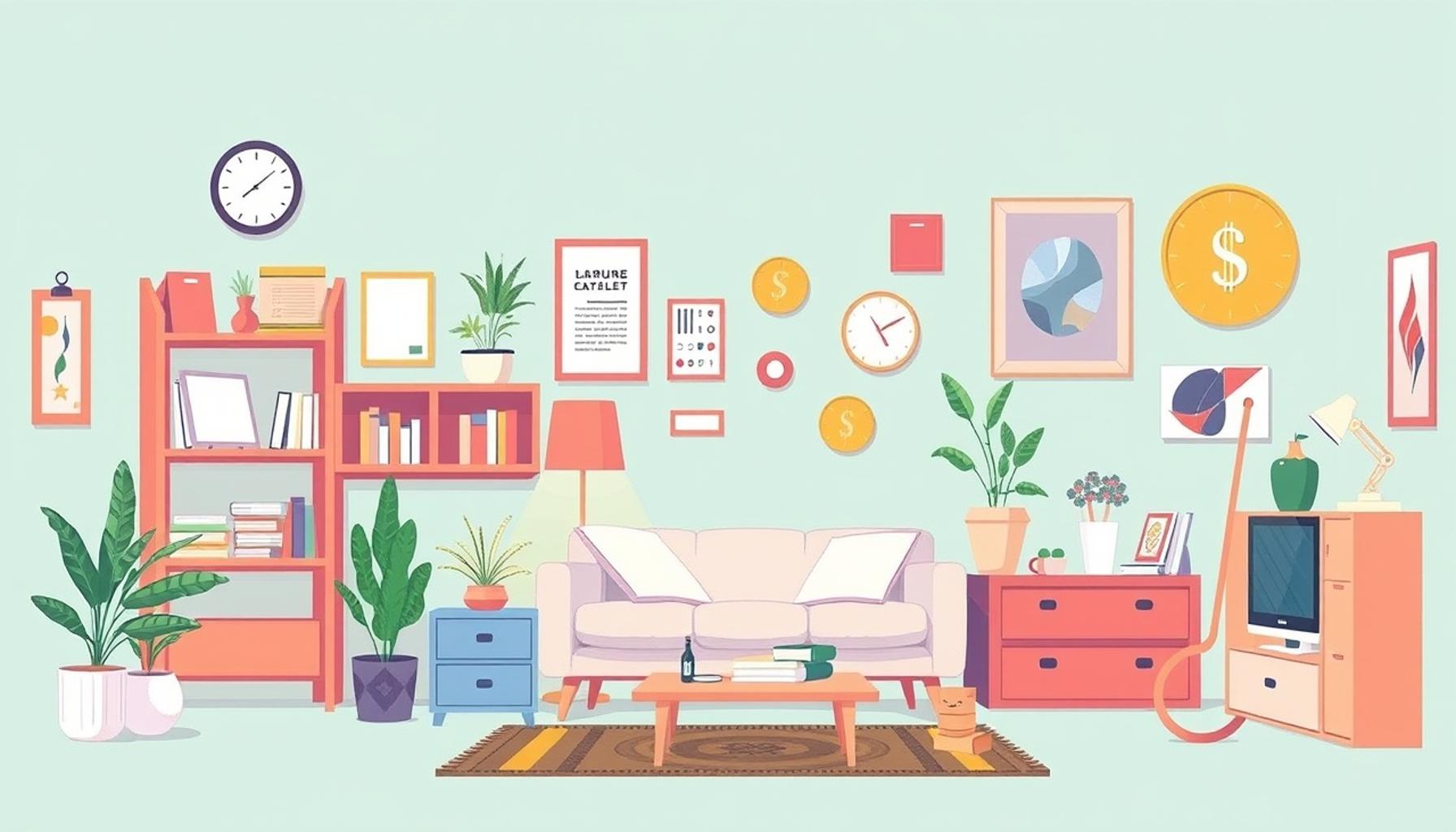
Sustainable Minimalism: Eco-Friendly Practices for Efficient Space Use

Exploring the Appeal of Sustainable Minimalism
In an age where consumption is often prioritized over conservation, the desire for a more sustainable lifestyle resonates strongly with many people. The combined ethos of minimalism and eco-consciousness is gaining traction among individuals seeking clarity, purpose, and sustainability in their everyday lives. This movement aligns perfectly with the challenges of our modern environment, beckoning us to rethink our possessions, consumption habits, and spaces.
Understanding the Benefits of Sustainable Minimalism
Why should you consider adopting sustainable minimalism? The reasons are as compelling as they are impactful:
- Environmental Impact: By reducing waste through conscious consumer choices, individuals can effectively decrease their carbon footprint. For instance, opting for reusable shopping bags, water bottles, and containers not only minimizes plastic waste but also nudges others to follow suit, encouraging a collective shift towards sustainability.
- Enhanced Space Utilization: A decluttered environment facilitates a more functional living space. This can range from creating cozy nooks for relaxation or establishing a workspace that fosters productivity. Homes that prioritize simplicity often feel more expansive, allowing for clearer thoughts and better organization.
- Financial Savings: Investing in high-quality items that serve multiple functions—such as a sofa bed or a kitchen island that doubles as a dining table—can result in substantial savings in the long run. This approach prevents the need for frequent replacements, which often leads to unwanted expenses.
Transformative Practices for a Sustainable Lifestyle
Embracing sustainable minimalism is transformative, extending beyond just the act of tidying your living space. It encompasses innovative practices that enrich your life:
- Upcycling: This creative endeavor involves turning old items into new treasures—like crafting a bookshelf from wooden pallets or transforming glass jars into decorative planters. Upcycling contributes to waste reduction while providing unique, personalized decor for your home.
- Mindful Consumption: Prioritizing necessities over superfluous items not only minimizes environmental harm but cultivates mindfulness. Consider evaluating purchases based on necessity and longevity instead of impulse—a practice that can lead to deeper satisfaction and less buyer’s remorse.
- Multi-Functional Spaces: The creation of versatile areas—such as converting a corner of your living room into a remote workspace—maximizes the effectiveness of your home. As more Americans embrace remote work, the need for adaptable spaces has become increasingly evident.
In sum, adopting sustainable minimalism is about more than just creating a decluttered living area; it invites a holistic change in lifestyle. Embracing these eco-friendly methods not only promises personal fulfillment and efficiency but also inspires a transformative ripple effect that positively impacts communities and the planet. By redefining our living spaces and prioritizing sustainability, we each play a vital role in crafting a brighter, more sustainable future for ourselves and generations to come.
EXPLORE MORE: Click here to discover how to create meaningful spaces
Practical Steps to Embrace Sustainable Minimalism
To successfully integrate sustainable minimalism into your life, you may want to explore various practical steps that can transform your home and mindset. With each small action, you’re not only improving your space but also contributing positively to the environment. Here are several strategies to help you get started:
- Decluttering with Purpose: Rather than simply getting rid of items, approach decluttering with a clear vision of what you genuinely need and value. Utilize the KonMari Method, which encourages you to keep only items that spark joy. This method can make the process not just productive but also a fulfilling journey toward a meaningful space.
- Adopting Zero-Waste Principles: The zero-waste movement promotes the idea of redesigning our resource life cycle so that all products are reused. Start by shifting your focus to bulk buying, using refillable containers, and composting organic waste. This shift not only limits the volume of trash you produce but also encourages mindfulness about the products you purchase and their lifecycle.
- Utilizing Natural and Upcycled Materials: When furnishing or redecorating your home, consider items made from sustainable materials like reclaimed wood, bamboo, and recycled metals. These materials often carry a unique character and history, which can add to your home’s aesthetic while also minimizing your environmental impact.
- Incorporating Plants: Introducing indoor plants not only beautifies your environment but also enhances air quality. Low-maintenance plants like pothos and snake plants thrive in various conditions and provide a natural way to bring life into your space, supporting both your well-being and the health of our planet.
Incorporating these sustainable practices into your daily life requires intentionality, but the benefits are manifold. According to a study by the National Institute of Environmental Health Sciences, simply reducing clutter can lead to reduced stress levels and improved focus. Furthermore, embracing eco-friendly habits can inspire those around you, creating a ripple effect that encourages friends and family to consider sustainability in their own lives.
As we delve deeper into the idea of sustainable minimalism, it becomes clear that this approach is more than just a trend; it is a fundamental shift towards a lifestyle that values conscious choices and thoughtful living. By emphasizing efficiency in space and resource use, we can collectively foster a healthier relationship with our environment. The pursuit of sustainable minimalism isn’t just about reducing items—it’s about reevaluating our connection to the world around us and redefining what sufficiency means in our lives.
| Eco-Friendly Practices | Advantages |
|---|---|
| Upcycling Materials | Transforms waste into valuable items, reducing landfill contributions. |
| Minimalist Design | Fosters spacious environments that encourage mindfulness and focus. |
| Energy-Efficient Appliances | Lowers energy consumption, resulting in cost savings and reduced carbon footprint. |
| Natural Lighting | Enhances mood and reduces reliance on artificial lighting, saving electricity. |
Embracing eco-friendly practices within the framework of sustainable minimalism not only enhances personal space efficiency but also contributes to a larger movement towards environmental preservation. By integrating these practices into daily life, individuals can play a vital role in combating waste and energy overconsumption. For instance, the strategic use of natural lighting can nourish an inviting atmosphere while significantly cutting down on electricity usage—an appealing benefit for those seeking both serenity and savings. As communities become increasingly aware of their ecological footprints, exploring upcycling and energy-efficient appliances can equip individuals with the tools necessary to make impactful lifestyle changes. The confluence of aesthetics and ethics embodies the essence of sustainable living, making it a compelling avenue worth exploring further.
DIVE DEEPER: Click here to uncover more insights
Transformative Lifestyle Changes for Sustainable Minimalism
Embracing sustainable minimalism goes beyond merely decluttering your living space; it involves a significant shift in lifestyle and values. This approach not only promotes an efficient use of space but also aligns with eco-conscious living. Here are some transformative changes you can implement to further your journey towards sustainable minimalism:
- Mindful Consumption: Begin by embarking on a journey of mindful consumption. Before making a purchase, ask yourself whether the item will provide lasting value or if it’s just a fleeting desire. The 80/20 rule can be a useful framework—aim to derive 80% of your benefits from just 20% of your possessions. This practice helps in filtering unnecessary items and promotes intentional buying, allowing you to focus on quality over quantity.
- Embracing Digital Solutions: In a world increasingly driven by technology, consider digitizing documents, books, and even photos. Apps like Evernote or Google Drive can streamline your information while clearing physical clutter. Not only does this promote an organized living space, but it also minimizes paper waste, contributing to a more sustainable environment.
- Shared Economy Participation: Explore the sharing economy as a viable alternative to ownership. Platforms such as Neighbor allow individuals to rent storage space or share tools, gardening supplies, or outdoor gear. This network encourages resource-sharing, reduces individual consumption, and fosters community interactions, epitomizing sustainable minimalism.
- Conscious Travel Choices: When planning trips, consider eco-friendly travel options that combine sustainability with adventure. Look into accommodations that prioritize sustainability through practices like renewable energy or zero-waste policies. Additionally, choose travel options like trains or electric vehicles that have a smaller carbon footprint compared to traditional air travel.
The impact of these changes extends beyond personal satisfaction; they contribute significantly to the larger ecosystem. For instance, research from the Global Footprint Network indicates that by changing our consumption patterns, we can significantly reduce our ecological footprint. By prioritizing sustainable practices, individuals can collectively influence market dynamics, pushing companies to adopt eco-friendly initiatives.
Furthermore, embracing sustainable minimalism is a forward-thinking approach that ties into broader conversations about climate change and resource management. As the demand for sustainable products increases, businesses are more likely to innovate and invest in environmentally friendly alternatives. This transition not only reshapes consumer habits but also redefines industries, showing that sustainable choices are indeed profitable.
Ultimately, sustainable minimalism fosters a way of living that encourages thoughtful choices, promotes environmental stewardship, and cultivates a sense of community. By integrating these lifestyle changes into your everyday routine, you can build a harmonious relationship with your space and the planet, paving the way for a more sustainable future.
DISCOVER MORE: Click here to learn about the impact of color in minimalism
Embracing a Greener Future with Sustainable Minimalism
In conclusion, adopting sustainable minimalism is not merely an aesthetic choice; it represents a profound commitment to both personal well-being and the health of our planet. By focusing on eco-friendly practices that reduce clutter and promote efficiency, individuals can transform their spaces into sanctuaries of purpose and tranquility. The principles of mindful consumption, digital solutions, and participation in the shared economy are all pivotal steps towards creating a lifestyle that reflects the values of sustainability and environmental stewardship.
Moreover, the ripple effects of these choices extend beyond individual households. As consumers embrace practices that prioritize quality and sustainability, they drive market changes that encourage businesses to innovate towards greener solutions. A shift towards eco-consciousness can reshape not only consumer behaviors but entire industries, demonstrating that sustainable choices are every bit as viable as they are necessary.
In a world grappling with climate change and resource scarcity, sustainable minimalism offers a pathway towards a more responsible and fulfilling existence. By integrating these principles into your daily life, you not only reclaim your space but also contribute to a larger movement combating environmental degradation. The journey toward efficient space use and ecological responsibility begins with small, intentional steps—each one echoing the profound impact of choosing sustainability in all aspects of life.
Let this be an invitation to explore and cultivate sustainable minimalism as a means to enrich not only your surroundings but the world at large.
Related posts:
Digital Minimalism: Organizing Your Virtual Space for Greater Efficiency
Transforming Vertical Space: Utilizing Walls for Maximum Efficiency in Minimalist Homes
The Role of Color Psychology in Creating Efficient Minimalist Spaces
Maximizing Small Spaces: Creative Storage Solutions for Minimalist Living
Embracing Minimalist Principles in Home Office Design for Enhanced Productivity
The Art of Minimalist Zoning: Creating Functional Areas in Limited Spaces

Linda Carter is a writer and pet care expert specializing in pet health, grooming, and wellness. With extensive experience helping pet owners create safe, loving, and enriching environments for their animals, Linda shares her knowledge on our platform. Her goal is to empower readers with practical advice and strategies to ensure their pets thrive and lead joyful, healthy lives.