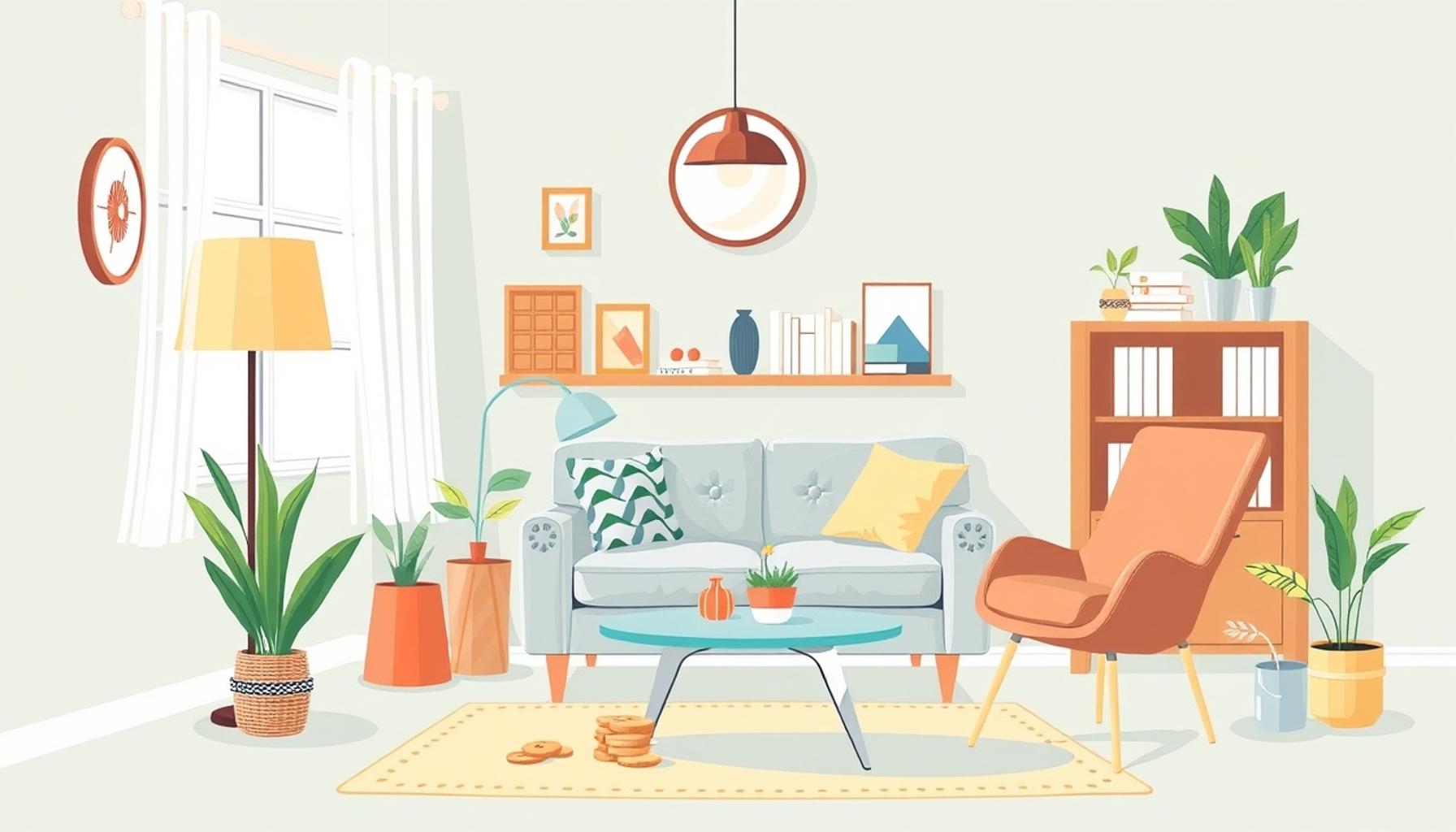
The Impact of Intentional Consumption on the Relationship with Objects and Personal Spaces

Understanding the Essence of Intentional Consumption
In a world overflowing with choices, the concept of intentional consumption emerges as a beacon of mindfulness. It invites individuals to reflect not just on what they purchase, but also on how these items shape their personal spaces and influence their relationships with them. This deliberate approach requires a shift in mindset, where the act of purchasing becomes an opportunity for self-expression and values alignment.
This growing movement is redefining how we engage with material possessions. One important facet to consider is the role of mindfulness in intentional consumption. This involves being acutely aware of what you buy and, importantly, why you are buying it. For example, does a purchase serve a practical purpose, or is it driven by emotional needs such as the desire for approval or self-esteem? This self-reflection fosters a more satisfying shopping experience, allowing consumers to become curators of their own lives.
Another critical aspect is the principle of quality over quantity. In recent years, many consumers have shifted their focus from acquiring numerous low-quality items to investing in fewer, more durable and meaningful products. This is reflected in the rise of sustainable brands that emphasize craftsmanship, ethical sourcing, and longevity. Consumers are increasingly drawn to items that not only serve a function but also tell a story, embody values that resonate with them, and contribute positively to their communities.
Furthermore, the notion of connection plays a significant role in intentional consumption. This is about forming a deeper emotional bond with the objects that enter our lives. For example, a handmade dining table crafted by a local artisan can evoke feelings of nostalgia and pride, as it becomes a part of family gatherings and celebrations, rather than a mere piece of furniture.
As consumers in the United States aim to simplify their lives, they are reassessing the clutter that often defines their personal spaces. The relationship with possessions is evolving towards an appreciation for items that bring joy and significance, serving as a reminder of shared experiences rather than merely filling a void. This intentionality can manifest in various ways, from minimalist living situations to curated collections of meaningful souvenirs, each carrying its unique story.
So, how does intentional consumption influence our environments? The implications are profound:
- Enhanced emotional well-being through reduced stress from clutter; research indicates that a tidy space can improve focus and decrease anxiety.
- The creation of more personalized and meaningful living spaces that reflect individual tastes and values, fostering a connection to one’s surroundings.
- Encouragement of sustainable choices that not only benefit you but also have a positive impact on the planet, such as supporting eco-friendly products or local businesses.
Through this exploration, we delve into the impact of intentional consumption on our interactions with the objects that fill our lives and the spaces we inhabit. As more individuals embrace this philosophy, we might witness a cultural shift towards a more intentional way of living—one that prioritizes purpose and connection over abundance. Join us in uncovering how this paradigm shift can lead to a more fulfilled and harmonious existence, reflecting deeper values and enhancing overall quality of life.
DISCOVER MORE: Click here to learn how consumption influences who we are
Navigating the Emotional Landscape of Consumption
The emotional landscape of our possessions is intricately tied to the concept of intentional consumption. As individuals begin to make conscious choices about what enters their lives, they simultaneously forge deeper connections with their belongings. This connection is often rooted in personal significance and emotional resonance, transforming mere objects into valuable extensions of one’s identity.
Understanding this dynamic involves recognizing that every purchase tells a story. Items are not selected in a vacuum; rather, they reflect individual values, aspirations, and memories. For instance, when a consumer chooses to buy a vintage record player instead of a modern streaming device, they are often driven by a desire to embrace nostalgia, connect with musical heritage, or foster an environment that encourages communal listening experiences. Such choices encapsulate what intentional consumption is all about—establishing a meaningful relationship with objects that enrich our daily lives.
Moreover, the practice of curating personal spaces plays a crucial role in fortifying this relationship. As people embrace intentional consumption, they often engage in the practice of curating their environments, leading to the emergence of spaces that resonate with authenticity. This process encourages individuals to discern between items that uplift and those that simply serve as filler. The result? A home, office, or personal sanctuary that reflects their true essence and encourages emotional well-being.
A relevant illustration of this shift is the rise of the minimalism trend across America. Minimalists emphasize a lifestyle centered around simplicity and purpose, often advocating for the idea that less is more. This perspective motivates people to evaluate their possessions critically; it encourages them to retain only what brings real joy or utility. As a result, the physical environment transforms, leading to increased senses of peace and clarity.
- Mindful curation: Selecting items based on emotional connection and personal significance rather than trends or societal pressures.
- Reduced anxiety: A well-curated space can lead to a decrease in visual and mental clutter, fostering a sense of tranquility.
- Empowerment: Taking ownership of what items inhabit one’s space can lead to increased self-esteem and personal fulfillment.
As intentional consumption continues to gain traction, it offers a compelling framework for understanding how we interact with our possessions and living spaces. This transformative approach not only highlights the importance of each item in our lives but also enables individuals to actively shape their environments to reflect who they truly are. By anchoring their choices in purpose and mindfulness, consumers embark on a journey towards greater meaningfulness, both personally and spatially.
| Category | Key Features |
|---|---|
| Mindful Ownership | Promotes appreciation for every item, enhancing emotional connections. |
| Sustainable Practices | Encourages reducing waste and opting for quality over quantity in goods. |
The discussion surrounding intentional consumption unveils a fascinating interplay between consumers and their lived environments. By embracing the notion of mindful ownership, individuals no longer view objects merely as possessions but as extensions of their identity. This shift influences purchasing decisions to prioritize meaningful items that resonate with personal values and aesthetics. It transforms ordinary spaces into personalized sanctuaries that reflect one’s journey and beliefs.Moreover, the rise of sustainable practices as a key tenet of intentional consumption fosters a ripple effect on the environment. People increasingly recognize the significance of quality over quantity, drifting away from fast fashion and disposable items. This mindset not only curtails environmental impact but also reinforces a sense of responsibility towards the planet. The cumulative effect of such conscious choices enhances not only individual satisfaction but also community well-being, establishing a profound connection between personal consumption and broader societal values.
DIVE DEEPER: Click here to discover eco-friendly decluttering strategies
The Ripple Effect of Intentional Living
As we delve deeper into intentional consumption, it becomes evident that its impact reaches far beyond individual interactions with objects and personal spaces. This paradigm shift encourages a broader societal change, prompting consumers to rethink not just the items they choose to keep, but the very systems that produce these items. With increasing awareness, individuals begin to consider the lifecycle of products, including their sustainability, ethical sourcing practices, and the environmental impacts of their consumption habits.
For instance, consumers today frequently lean towards brands that emphasize sustainable practices and ethical production. This collective consciousness is reshaping markets and driving companies to reconsider their supply chains. A recent survey found that over 60% of consumers in the United States prefer brands that are transparent about their production methods and environmental impacts. In this way, intentional consumption fosters a sense of community responsibility as individuals align their purchasing decisions with ethical considerations, culminating in more meaningful economic interactions.
This inclination towards intentionality also manifests in the form of supporting local artisans and small businesses. When one opts for handmade pottery from a local artist rather than mass-produced items, they are not only acquiring a unique object but also forming a connection with the maker and their story. Such purchases signify a rejection of consumerism that prioritizes quantity over quality, reinforcing the value of craftsmanship and local economies. This trend cultivates spaces that are not just aesthetically pleasing but rich with history and personal narratives.
Another significant aspect of intentional consumption is its relationship with mental health and wellness. Spaces curated with purpose have been linked to enhanced emotional well-being. Research indicates that individuals who engage in mindful consumption and create nurturing environments report lower levels of stress and anxiety. The act of surrounding oneself with items that resonate personally can establish a sense of comfort and stability. Studies suggest that these intentional environments can foster creativity and productivity, especially in work-from-home scenarios that have become prevalent in the U.S. post-pandemic.
- Transformational environments: Intentionally designed spaces encourage personal growth and inspire positive habits.
- Community connections: Supporting local businesses reinforces social ties and enhances neighborhood relations.
- Cultural preservation: Choosing items that reflect one’s heritage contributes to preserving cultural identities and traditions.
This growing appreciation for the relationships fostered through intentional consumption not only benefits individuals but also enriches communities and the environment. By choosing wisely, individuals are empowered to make informed decisions that reflect their values, leading to a harmonious relationship with the objects they cherish and the spaces they inhabit. This collective movement embodies a hopeful vision for a future where consumption is not momentary but intentional, meaningful, and deeply integrated into our identities.
DIVE DEEPER: Click here to discover more
Embracing a Meaningful Connection
In conclusion, the concept of intentional consumption presents a transformative lens through which we can evaluate our relationships with objects and personal spaces. As individuals make conscious choices about what to acquire and how to curate their environments, they not only redefine their personal aesthetics but also enhance overall well-being and community engagement. By prioritizing sustainability and ethical practices, consumers are catalyzing a wave of change that pushes brands to be more transparent and innovative in their production processes.
The ripple effects of this mindful approach extend into our neighborhoods as purchasing from local artisans fosters connections that empower communities. Supporting small businesses and craftsmanship contributes to a richer social fabric, fortifying relationships that span beyond mere transactions. Moreover, the emphasis on creating nurturing environments links directly to mental wellness, providing spaces that cultivate peace and productivity amidst the chaos of modern life.
This shift toward intentional living illuminates a path forward where every choice is imbued with meaning, encouraging individuals to invest in what resonates with their personal values. Such intentionality fosters deeper relationships between people and their belongings, crafting a sense of identity that is both personal and collective. As we embrace this evolving paradigm, we open the door to a future where consumption is not just a practice but a profound expression of who we are and what we stand for, ultimately resulting in a more sustainable and harmonious coexistence with the world around us.
Related posts:
Intentional Consumption in Home Decor: Creating Meaningful Spaces through Minimalist Choices
The Influence of Intentional Consumption on Time Management in Minimalist Practices
Strategies for Practicing Intentional Consumption in a Consumer-Driven Society
The Influence of Intentional Consumption on Reducing Stress and Anxiety
Exploring the Connection Between Intentional Consumption and Emotional Well-Being in Minimalism
The Intersection of Intentional Consumption and Travel: Embracing Minimalism on the Go

Linda Carter is a writer and pet care expert specializing in pet health, grooming, and wellness. With extensive experience helping pet owners create safe, loving, and enriching environments for their animals, Linda shares her knowledge on our platform. Her goal is to empower readers with practical advice and strategies to ensure their pets thrive and lead joyful, healthy lives.