
The Importance of Proper Lifting Form
In the world of weightlifting, the concept of proper form extends far beyond mere aesthetics or lifting heavier weights. It’s a crucial aspect that underpins effective training and injury avoidance. From novice gym-goers to seasoned lifters, understanding the significance of technique can enhance one’s strength journey while also safeguarding one’s well-being.
Improper lifting techniques can yield dire consequences. For instance, a simple squat executed with incorrect posture might cause unnecessary strain on the knees or lower back, possibly leading to a longer recovery period or chronic issues. Common injuries associated with poor form include:
- Strains and sprains: These soft tissue injuries often occur when muscles or ligaments are stretched beyond their capacity. A familiar scenario is that of a lifter performing deadlifts without proper spinal alignment, which can strain the hamstrings or lower back.
- Joint injuries: Joints like the knees and shoulders are particularly vulnerable during weightlifting. For instance, when performing a bench press with an incorrect grip width, the shoulders can be overextended, leading to painful impingement syndromes.
- Long-term conditions: Consistent bad form might culminate in chronic ailments, such as tendonitis, where tendons become inflamed, or herniated discs resulting from an improperly aligned spine during lifts.
To mitigate these risks, it is essential to embrace correct posture, alignment, and movement patterns. Focusing on these elements not only minimizes the likelihood of injuries but also has additional benefits:
- Maximizing strength gains: By utilizing the right muscle groups, lifters can achieve better results. For example, focusing on engaging the glutes during squats can lead to improved power and stability.
- Improving overall performance: Good form allows for more efficient energy transfer and movement, leading to enhanced performance in workouts. A well-executed overhead press, for example, can result in better stability and power transfer from the ground up.
- Enhancing endurance: Proper technique can lead to less fatigue, allowing athletes to push themselves harder during training sessions and increase their overall workout capacity over time.
As individuals strive to reach their fitness aspirations, the principle of proper lifting form is vital. It is not merely about moving weights but about doing so in a way that promotes safety, effectiveness, and long-term results. Incorporating education on form into one’s training routine can pave the way for success and longevity in weightlifting ventures.
Furthermore, seeking guidance from certified trainers or utilizing educational resources can significantly enhance one’s understanding of lifting techniques. Emphasizing the importance of form can not only enrich personal training experiences but potentially inspire others in the fitness community to adopt safer practices.
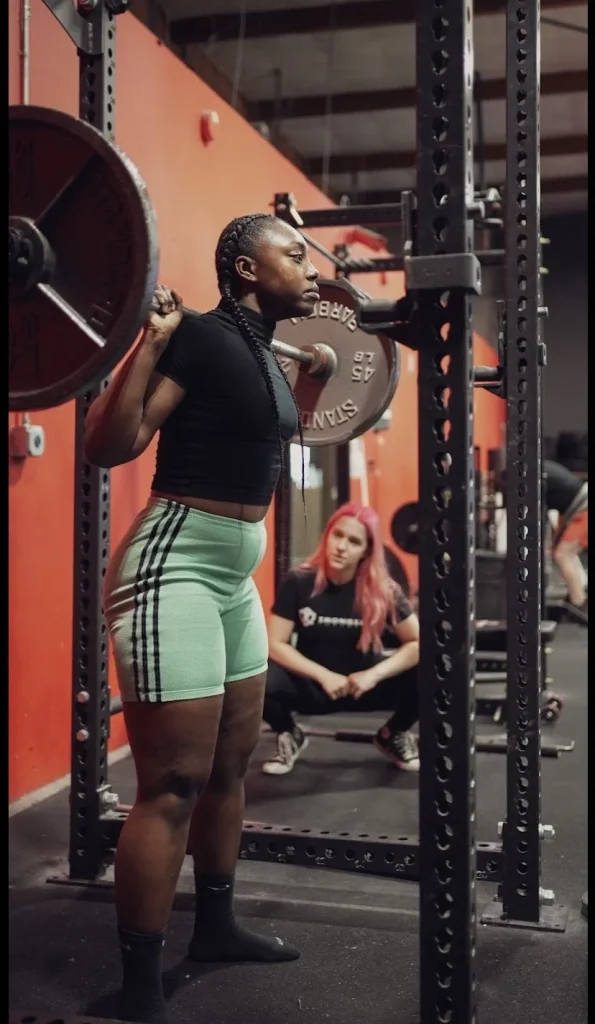
Ultimately, aligning one’s focus on technique and safety can create a robust foundation for physical fitness. Engaging in weightlifting is an admirable pursuit, and prioritizing proper form will help ensure that this journey is both rewarding and sustainable.
DISCOVER MORE: Click here for effective core exercises
Understanding the Mechanics of Proper Weightlifting Form
Achieving proper form in weightlifting involves not just a focus on posture, but also an understanding of biomechanics—the study of how the body moves. The human body is a marvel of engineering; each joint and muscle is designed to work in harmony. However, when this harmony is disrupted by poor lifting techniques, the consequences can be detrimental. Practicing correct form allows the body to move efficiently and safely, which is crucial for preventing injuries.
Key principles of proper form include:
- Spinal Alignment: One of the cornerstones of safe weightlifting is maintaining a neutral spine. During lifts, such as squats or deadlifts, keeping the spine straight helps distribute the weight evenly across the body. A rounded back can place excessive pressure on the vertebrae, potentially leading to serious back injuries.
- Engaged Core: A robust core acts as a natural brace for your spine. Lifters should engage their abdominal muscles throughout the lift to provide stability. This core activation can dramatically reduce the risk of lower back injuries.
- Controlled Movements: Rapid or erratic movements increase the likelihood of injury. Slow, controlled lifts promote muscle engagement throughout the entire range of motion, enhancing strength while minimizing strain on joints.
- Proper Breathing Technique: Breathing plays a pivotal role in lifting. Holding your breath during a lift can increase intra-abdominal pressure, which can be beneficial. However, it’s crucial to understand when to inhale and exhale. For example, exhaling during the exertion phase of a lift maintains stability and control.
Furthermore, lifters should pay close attention to their joint positioning. Misalignment can result in undue stress on critical joints, leading to injury. For instance, when executing a bench press, if the wrists are bent back at an unpleasant angle, it can cause strain not only in the wrist but also along the forearm and elbow. This alignment is crucial, whether you are a novice lifter or an experienced athlete.
In addition to technique, implementing a structured warm-up routine is vital. Warming up increases blood flow to the muscles, improves flexibility, and primes the nervous system for the lifting ahead. Enthusiasts should consider dynamic stretches, range-of-motion exercises, or light cardiovascular activities to prepare their bodies for the workout.
Adopting a mindset that prioritizes form over weight can set the stage for long-term success in weightlifting. Many individuals make the mistake of focusing solely on the amount of weight being lifted, but this can lead to compensatory movements that are not only ineffective but hazardous. By adhering to the fundamental principles of proper form, you can foster a safer lifting environment that encourages both progress and longevity in your weightlifting journey.
| Advantage | Description |
|---|---|
| Injury Prevention | Proper form minimizes stress on joints and reduces the risk of injuries such as strains and sprains. |
| Enhanced Performance | Maintaining the right posture and alignment optimizes muscle engagement, allowing for greater strength and endurance. |
| Improved Muscle Utilization | Using correct techniques promotes balanced muscle development, avoiding over-reliance on specific muscle groups. |
| Longevity in Training | By prioritizing form, lifters can enjoy a sustainable workout routine, extending their training career. |
When lifting weights, understanding and implementing proper form is essential for success. Without it, even seasoned lifters can face serious consequences. The foundation of lifting lies in biomechanics—the study of the body’s movement. Consistent application of the right techniques ensures that weightlifters are not only maximizing their potential but also safeguarding their health.Specific techniques, such as the squat, require attention to spine alignment and knee tracking to prevent common injuries. Research indicates that up to 70% of weightlifting injuries stem from improper form; thus, highlighting the necessity of correct alignment is paramount. Athletes should seek guidance from certified trainers who can provide personalized feedback and ensure adherence to established lifting principles.Moreover, focusing on core strength is critical. A robust core stabilizes the entire body during lifts, allowing for controlled movements. This foundation drastically enhances lifting dynamics and can improve overall athletic performance.It’s essential to incorporate warm-up and cool-down stretches into each session. These practices not only condition the muscles for strenuous activity but also reduce stiffness and promote recovery, all of which tie back to the overarching theme of injury prevention through proper form in weightlifting.
DIVE DEEPER: Click here to discover how nutrition impacts your muscle growth
Integrating Flexibility and Recovery into Your Weightlifting Routine
As crucial as proper form is during weightlifting, an often overlooked aspect that contributes significantly to injury prevention is the integration of flexibility and recovery techniques. Flexibility plays a vital role in enhancing your lifting technique and allowing your body to move through a full range of motion. Lifters who are inflexible may struggle to maintain proper form, especially during complex lifts that require joint mobility and balance.
Dynamic stretching before workouts can significantly improve flexibility. Activities such as leg swings, arm circles, and torso twists not only prepare the muscles for the impending workload but also increase blood flow to critical areas, reducing the risk of injury. For instance, incorporating an active warm-up that mimics the movements of the lifts you plan to perform can prepare your body more effectively than static stretching alone. Studies have shown that dynamic stretching can improve performance in activities requiring strength and power, making it imperative for serious lifters.
In addition to flexibility, understanding the importance of recovery is paramount in maintaining a healthy weightlifting regimen. Recovery allows muscle fibers to rebuild and grow stronger. Overtraining without adequate recovery puts stress on your body, leading to fatigue and increasing the chances of injury. Incorporating rest days, as well as lighter workout days, into your plan is just as essential as the training itself.
The Role of Active Recovery
Active recovery strategies, such as low-intensity exercises, foam rolling, and stretching, can be incredibly beneficial. These activities help maintain blood circulation and can ease soreness in muscles previously worked. For example, taking a walk or engaging in yoga after heavy lifting sessions can aid tremendously in enhancing flexibility while promoting muscle repair. According to the American College of Sports Medicine, engaging in muscle recovery techniques can lead to improved performance in subsequent workouts.
- Foam Rolling: This self-myofascial release technique helps to relieve muscle tightness and improve mobility. Regularly incorporating foam rolling can lead to better movement mechanics and improved lifting form.
- Hydration: Staying hydrated is critical for optimal muscle function. Ensuring adequate fluid intake supports muscle recovery and can aid in maintaining focus and energy during workouts.
- Nutrition: Fueling your body with the right nutrients is key to recovery. Consuming a balanced diet rich in protein, healthy fats, and carbohydrates will provide your body with the necessary resources to heal and strengthen.
Mental Focus and the Connection to Form
Lastly, it’s essential to consider the role of mental focus in maintaining proper form during lifting. Concentrating on your body mechanics while lifting can help with alignment, balance, and executing the lift correctly. Visualizing successful lifts and understanding the mechanics behind each movement can streamline your approach and promote safer practices. Lifters should take the time to mentally rehearse each movement, which can prepare both the mind and body for the physical task ahead.
By prioritizing flexibility, incorporating recovery techniques, and honing mental focus, you create a more comprehensive lifting strategy. This approach not only focuses on the mechanics of strength training but also addresses the holistic aspect of training and injury prevention, ultimately fostering an environment conducive to long-term gains in strength and fitness.
DISCOVER MORE: Click here to delve into the importance of recovery in strength training.
Conclusion: The Crucial Link Between Proper Form and Injury Prevention
In conclusion, the significance of proper form in weightlifting cannot be overstated. It serves as the foundation for not only maximizing performance but also safeguarding against potential injuries. Prioritizing techniques that enhance body mechanics ensures that each lift is executed with precision, thus minimizing undue stress on muscles and joints. However, achieving optimal form extends beyond just technique — it necessitates a holistic approach that includes flexibility training, proper recovery, and maintaining mental focus.
By integrating dynamic stretching routines into your warm-ups, engaging in active recovery post-workout, and fueling your body with adequate nutrition and hydration, you set the stage for sustainable growth in strength and physical capability. Moreover, the mindful concentration required during lifting acts as a critical component for executing movements correctly and safely. Each of these elements forms a crucial part of a balanced weightlifting regimen.
As you step into the gym, remember that the journey toward your fitness goals is a marathon, not a sprint. Investing time in learning the intricacies of your form and the accompanying techniques for flexibility and recovery will pay off in long-term resilience and achievement. Explore new strategies, continually assess your progress, and adapt as necessary; doing so will ensure that you not only lift effectively but also enjoy the myriad benefits that come from a well-executed weightlifting program.
Related posts:
Core Exercises: Techniques to Strengthen the Abdominal Area and Improve Stability
Breathing Techniques During Training: Improving Performance and Endurance
Mobility Exercises to Increase Flexibility and Performance in Strength Training
Load Progression Techniques: How to Increase Training Intensity Safely
High-Intensity Training Techniques: How to Incorporate HIIT into Your Weightlifting Program
Circuit Training for Strength: How to Optimize Time and Maximize Results

Linda Carter is a writer and pet care expert specializing in pet health, grooming, and wellness. With extensive experience helping pet owners create safe, loving, and enriching environments for their animals, Linda shares her knowledge on our platform. Her goal is to empower readers with practical advice and strategies to ensure their pets thrive and lead joyful, healthy lives.