The Intersection of Minimalism and Sustainability: Eco-Friendly Decluttering Strategies

The Urgency of Sustainable Living
As environmental issues like climate change and pollution grow more pressing, individuals and communities across the globe are seeking ways to mitigate their impact. In this pursuit, the philosophy of minimalism offers a transformative approach that complements the principles of sustainability. By embracing minimalism, individuals can streamline their lives and make conscientious choices that prioritize the health of our planet.
This concept extends far beyond achieving a clean, uncluttered aesthetic; it represents a profound lifestyle shift aimed at reducing waste and conserving valuable resources. By understanding the intersection of minimalism and sustainability, we can implement potent strategies for eco-conscious living.
Key Areas of Intersection
- Reduced Consumption: One of the cornerstones of minimalism is the advocacy for mindful purchasing. This includes being thoughtful about what we buy and why we buy it. For instance, before making a purchase, individuals can reflect on the necessity of the item, its environmental footprint, and the company’s practices. Choosing to buy from local artisans or sustainable brands helps support the community and encourages eco-friendly practices.
- Waste Management: Decluttering plays a significant role in waste reduction. It’s not merely about discarding items; it’s about ensuring responsible disposal. Many cities in the U.S. have robust recycling programs and donation centers that provide an excellent opportunity to give unwanted items a second life. By donating clothes to charities like Goodwill or recycling electronics through programs like eCycling, we not only minimize landfill contributions but also support those in need.
- Conscious Living: At its core, minimalism encourages a shift away from materialism towards experiential living. This means focusing on enriching experiences such as travel, creativity, and relationships rather than accumulating possessions. Research has shown that experiences tend to bring more fulfillment than material items, promoting a happier, less cluttered existence.
Practical Strategies for a Sustainable Minimalist Lifestyle
Implementing eco-friendly decluttering strategies can seamlessly blend minimalism with sustainability. Start by evaluating your possessions and identifying items that no longer serve a purpose in your life. Next, consider hosting a community swap event where participants can exchange goods, thereby extending their lifecycle while fostering connections within your locality.
Another approach is to practice the “one in, one out” rule. For every new item you acquire, consider parting with an old one. This strategy not only minimizes accumulation but encourages thoughtful consideration of every new purchase.
Lastly, prioritize sustainability in your choices. Opt for durable, long-lasting products that align with minimalism, such as reusable items or energy-efficient appliances. The straightforward act of choosing quality over quantity is a powerful way to embrace both minimalism and sustainability in everyday life.
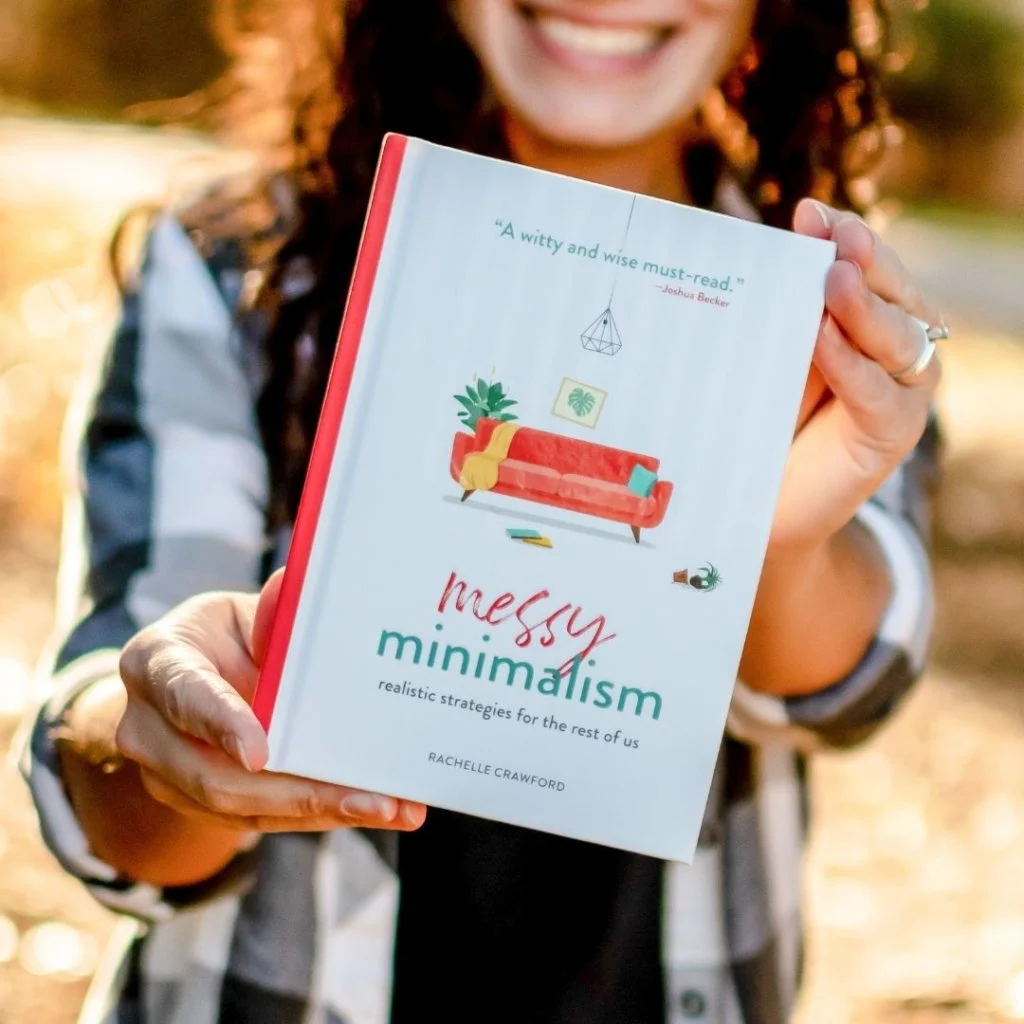
In merging these two philosophies, individuals can cultivate a lifestyle that is both organized and environmentally responsible. As you embark on or continue your journey towards minimalism, remember that each small step contributes to a larger movement—a sustainable future for our planet.
DISCOVER MORE: Click here to learn about intentional consumption
Navigating the Minimalist Mindset for Sustainability
Understanding the combination of minimalism and sustainability requires a profound mindset shift. Minimalism encourages individuals to examine their belongings critically, prioritizing quality over quantity while consciously selecting goods that respect both personal values and environmental concerns. This practice not only clarifies what we hold dear but also gently nudges us towards a more sustainable lifestyle.
To effectively navigate this intersection, consider adopting the concept of intentional living. This involves evaluating every item in your home through a sustainability lens. Ask yourself, “How is this made? Where did it come from? What happens to it at the end of its life?” By embracing intentional living, you not only declutter but also align your consumer habits with the urgent need for eco-friendly practices.
Benefits of Minimalism for the Environment
The impact of minimalism on sustainability can manifest in several powerful ways:
- Conservation of Resources: By choosing to own fewer items, you naturally reduce demand for new products, which conserves vital resources and energy. The production cycle of goods involves significant water and energy use, along with harmful emissions; hence, buying less contributes to a cleaner environment.
- Lower Carbon Footprint: Fewer possessions mean less transport and distribution emissions. Minimalists often opt for products that are closer to home, thereby supporting local economies while minimizing shipping-related pollution.
- Encouraging Ethical Brands: As consumers choose quality over quantity, there is growing support for brands that prioritize ethical sourcing and sustainable practices, prompting further industry shifts towards eco-friendliness.
Moreover, embracing a minimalist lifestyle can foster resilience in communities. When we minimize our consumption, we pave the way for a sharing economy that can uplift local artisans, makers, and businesses. This can create a community-centered approach to sustainability, where goods are swapped rather than discarded, enhancing both social bonds and environmental responsibility.
Starting Your Eco-Friendly Decluttering Journey
If you’re inspired to combine minimalism with sustainability in your decluttering journey, begin by conducting a thorough inventory of your possessions. Use the practical lens of sustainability to assess what you own—identify items that no longer fulfill a purpose or align with your values. Aim to create a curated collection that reflects not just aesthetic simplicity but also environmental mindfulness.
In your decluttering process, consider leveraging online marketplaces, donation services, or community groups that promote sustainable practices. Utilize platforms such as Freecycle or Buy Nothing groups that facilitate the redistribution of goods in a manner that’s both eco-conscious and socially responsible.
Ultimately, the intersection of minimalism and sustainability offers a blueprint not just for a decluttered home, but for a life that respects our planet. By taking conscious steps towards a minimalist approach, you become an agent of change—contributing to a culture of sustainability that echoes throughout your community and the world.
The Intersection of Minimalism and Sustainability: Eco-Friendly Decluttering Strategies
As we delve deeper into the realm of eco-friendly decluttering strategies, it’s essential to understand the core principles of minimalism and how they align with sustainable practices. Minimalism encourages individuals to focus on quality over quantity, which directly contributes to a reduction in consumer waste. By consciously selecting items that are not only functional but also environmentally friendly, individuals can significantly lessen their ecological footprint.
Mindful Consumption
One of the most profound ways minimalism intersects with sustainability is through mindful consumption. This approach advocates for purchasing items that are durable, repairable, and sourced ethically. Embracing a mindful consumer lifestyle challenges the mainstream culture of disposability, prompting individuals to reconsider their buying habits. By opting for fewer but higher-quality products, consumers not only save money but also contribute to a more sustainable economy.
Adopting a Circular Economy
The concept of a circular economy plays a pivotal role in the eco-friendly decluttering movement. This philosophy promotes the idea of reusing, recycling, and upcycling items rather than tossing them into landfills. Minimalists who embrace this mindset focus on repurposing items, which extends the lifecycle of products and reduces waste. Engaging in swap events or donating unwanted items fosters community ties while ensuring that usable goods do not end up discarded.
The Emotional Benefits
Beyond the tangible benefits of decluttering, many find that the act itself is liberating. Minimalism fosters a sense of peace and clarity, enabling individuals to challenge the clutter that weighs them down—both physically and emotionally. A sustainable approach to decluttering aligns with this by encouraging individuals to keep only what truly matters, allowing them to focus on experiences over possessions. This shift not only supports a healthier planet but also nurtures an improved mental well-being.In summary, the intersection of minimalism and sustainability inspires innovative, practical strategies for decluttering and transforming our lives. By adopting these eco-friendly approaches, we rewrite the narrative around consumption and its impact on our world.
| Category | Advantages |
|---|---|
| Mindful Consumption | Encourages quality purchases, reducing waste and environmental impact. |
| Circular Economy | Promotes reusing and recycling, extending product lifecycles. |
By incorporating these strategies into daily life, individuals can foster a lifestyle rooted in both minimalism and sustainability, leading to a cleaner, greener future.
FIND OUT MORE: Click here to discover essential tips
Building Sustainable Habits Through Minimalist Practices
As we delve deeper into the intersection of minimalism and sustainability, it’s essential to recognize the role of sustainable habits in maintaining a decluttered lifestyle. By integrating minimalism into our everyday routines, we set the stage for ongoing eco-conscious decision-making that aligns with both personal well-being and environmental stewardship.
Mindful Consumption: A Fundamental Shift
One of the cornerstones of merging minimalism with sustainability is adopting a practice of mindful consumption. This philosophy encourages individuals to reflect on the true necessity of their purchases before making decisions. Research indicates that approximately 40% of what we own is rarely used. By scrutinizing our buying habits, we can significantly reduce waste and only invest in items that genuinely serve a purpose in our lives.
However, mindful consumption goes beyond questioning the need for an item—it’s about considering its environmental impact. Look for products that boast sustainable materials, like organic cotton, recycled plastics, or biodegradable goods, and research their life cycle. This awareness lays the groundwork for a relationship with belongings that values sustainability as much as aesthetics.
Practicing the One-In-One-Out Rule
To maintain an eco-friendly lifestyle, consider implementing the One-In-One-Out Rule. This practice dictates that for every new item introduced into your home, you must remove an existing item. This not only curtails consumption but encourages a closer inspection of how possessions are valued in one’s household. If you’re buying a new sweater, for instance, donate an old one to a local shelter. This ensures that your wardrobe remains simplified while supporting charity and reducing textile waste.
Consider this: in the United States, nearly 11.3 million tons of textile waste ended up in landfills in 2019 alone. By choosing to send your pre-loved items to new homes rather than discarding them, you’re actively participating in a solution to this growing environmental issue.
Choosing Quality Over Quantity
Minimalism encourages the pursuit of high-quality items that stand the test of time, effectively reducing the need for replacements. This idea resonates with the sustainable ethos, as well-made products often use fewer resources in the long run compared to cheaper, fad-driven items. Take the time to invest in local artisans or brands that emphasize craftsmanship; this not only supports the economy but reduces carbon emissions associated with mass production and shipping.
- Local Markets: Explore farmers’ markets and craft fairs in your area for products that are both functional and environmentally friendly.
- Second-Hand Locations: Thrift shops and vintage stores offer unique finds that lessen the demand for new goods while allowing you to curate a personal style that reflects your values.
- Support B Corporations: Look for businesses that are certified as B Corporations, which adhere to stringent social and environmental performance standards.
Digital Decluttering: The Untouched Arena
Decluttering extends beyond physical possessions; our digital lives also require attention. Digital clutter, from an overflowing inbox to endless files and apps, can create unnecessary noise. By unplugging and reducing digital overwhelm, you free up mental space and contribute to energy savings by eliminating devices that drain power. This practice can lead to a lesser environmental footprint tied to data storage and energy consumption.
Unsubscribing from unnecessary email lists and consolidating files into organized folders can simplify your online experience. This digital decluttering aligns with both minimalism and sustainability, streamlining interactions while also affirming your commitment to mindful consumption and eco-conscious habits.
DIVE DEEPER: Click here to learn more
Conclusion: Embracing a Conscious Lifestyle
At the convergence of minimalism and sustainability, we find a powerful approach to living a more intentional and eco-friendly life. By adopting mindful consumption and implementing strategies such as the One-In-One-Out Rule, we not only reclaim our physical spaces but also reduce our impact on the planet. Every item we choose to keep or discard becomes a statement of our values, reflecting a deep-seated commitment to sustainability.
Moreover, prioritizing quality over quantity encourages us to support local artisans and responsible brands, fostering a sense of community while mitigating the environmental toll of fast fashion and mass production. As we navigate through the clutter of modern living, the practice of digital decluttering helps alleviate the overwhelm that often accompanies our tech-centric lifestyles, offering mental clarity and a smaller digital footprint.
Ultimately, merging minimalism with sustainability catalyzes a profound lifestyle shift—a greater appreciation for what we own and a sharper focus on the environmental implications of our choices. As individuals, we hold the power to drive change. Our actions—whether through donating to charity, shopping consciously, or investing in the future—can collectively contribute to a healthier planet.
As the movement towards minimalism and sustainability continues to grow, consider exploring these eco-friendly decluttering strategies further. Engage with your community, educate yourself on sustainable practices, and cultivate habits that not only declutter your home but also nurture the world we share. Together, we can create a more sustainable future, one mindful choice at a time.
Related posts:
Mindset Shifts for Successful Decluttering: Overcoming Mental Barriers to a Minimalist Lifestyle
Decluttering for a Purpose: How to Identify Your Goals and Create a Meaningful Space
Digital Decluttering Strategies: Organizing Files and Devices
The Art of Letting Go: Emotional Attachment and Practical Tips for Decluttering Sentimental Items
Mindful Decluttering: Techniques to Align Your Space with Your Values
Creating a Decluttering Schedule: Time Management Techniques for a Minimalist Lifestyle

Linda Carter is a writer and pet care expert specializing in pet health, grooming, and wellness. With extensive experience helping pet owners create safe, loving, and enriching environments for their animals, Linda shares her knowledge on our platform. Her goal is to empower readers with practical advice and strategies to ensure their pets thrive and lead joyful, healthy lives.