Transforming Vertical Space: Utilizing Walls for Maximum Efficiency in Minimalist Homes
Maximizing Vertical Space
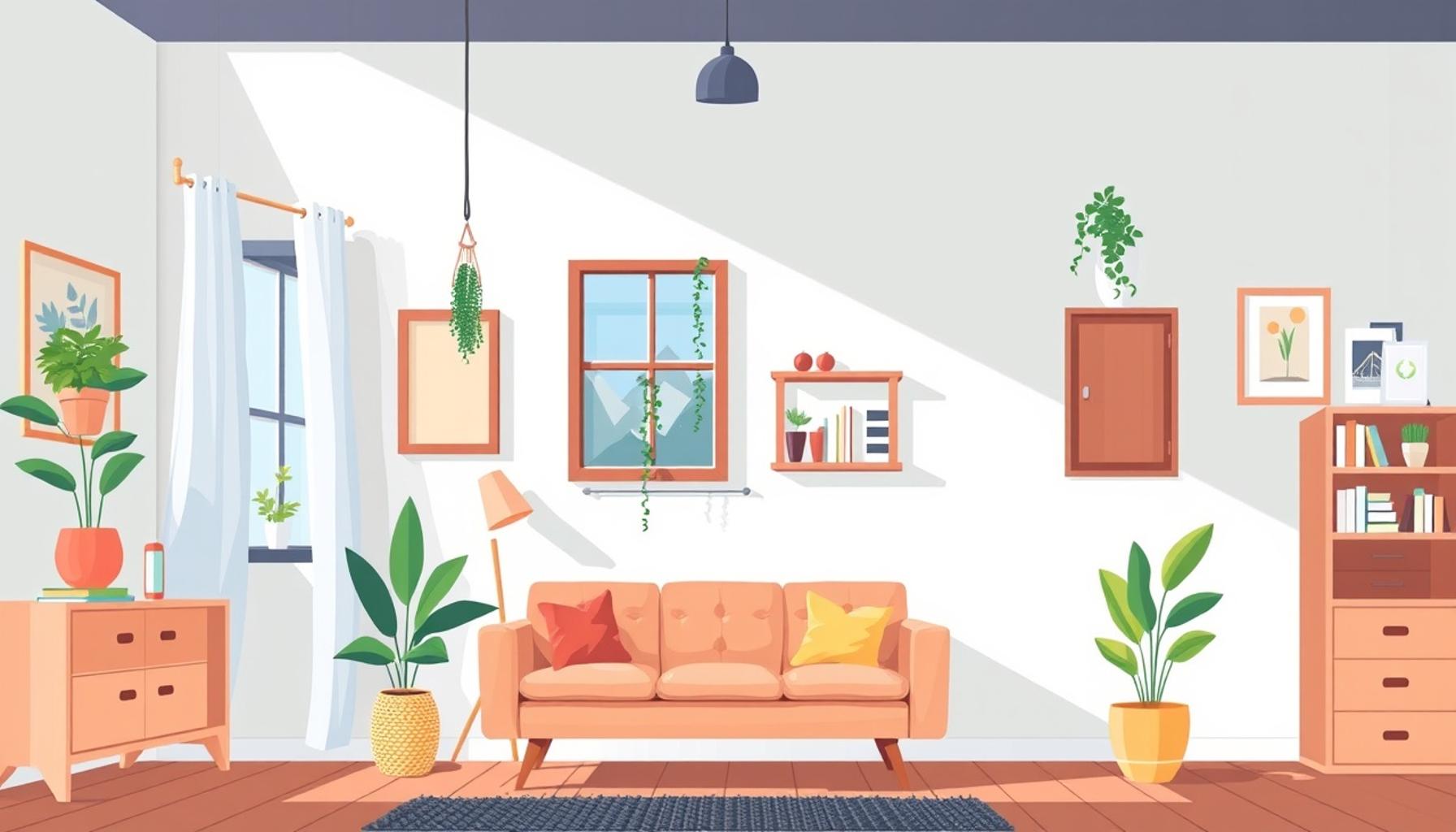
In the world of minimalist living, every square inch counts. Utilizing vertical space can dramatically enhance both the functionality and aesthetic of your home. By transforming walls into multifaceted elements, homeowners can achieve maximum efficiency without compromising on style.
Consider the following strategies for maximizing vertical space:
- Floating shelves: These shelves provide a sleek solution that creates an illusion of more floor space while displaying books, plants, or decorative items. For example, in a small living room, a series of floating shelves can draw the eye upward, making the room feel taller and more expansive. Incorporating varying sizes and depths can also add interest and encourage you to play with design.
- Wall-mounted storage: Wall-mounted cabinets and hooks are effective tools for keeping essentials easily accessible. In kitchens, for instance, pot racks or magnetic knife boards free up countertop space and centralize cooking tools. Moreover, wall organizers in entryways accommodate bags and keys, ensuring a clutter-free zone while adding an artistic touch through the materials used.
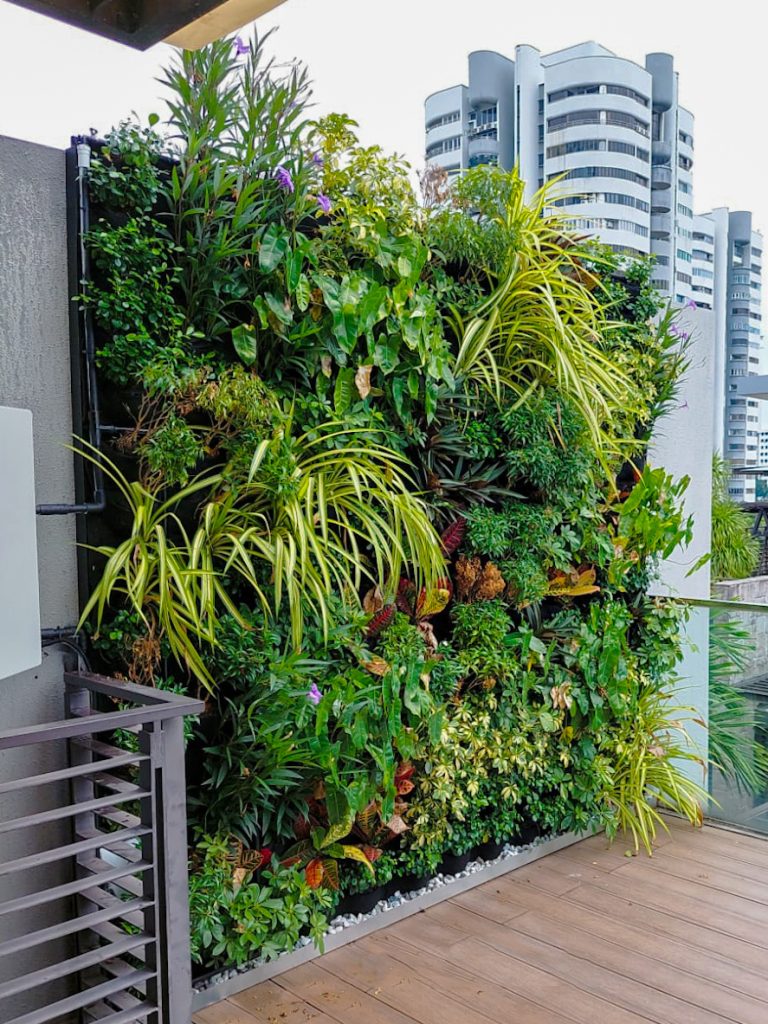
- Vertical gardens: A rising trend in urban areas, vertical gardens introduce greenery into your home without taking up precious ground space. These living walls not only enhance air quality but also serve as an eye-catching focal point. In cities like New York, people are leveraging small balconies to create lush vertical planters that transform concrete jungles into vibrant oases.
- Art displays: Elevating personal collections to the walls allows homeowners to add character to any space. Gallery walls, for example, can be customized with a mix of artwork, family photos, and inspiring quotes, telling a unique story about the inhabitants. Such displays help promote creativity while showing off personal style.
In the United States, where minimalism often emerges as a response to urban living challenges, transforming walls is not just functional but essential. By reclaiming vertical space, you can create a home environment that feels spacious and organized. The notion of living with less and prioritizing experiences over possessions often resonates deeply in densely populated areas.
As we delve deeper into this innovative approach, we’ll explore trends such as modular wall systems that cater to changing needs and the rise of multifunctional furniture that aligns with vertical storage solutions. Additionally, practical applications, including DIY projects and vendor insights, will empower you to navigate this design landscape with confidence.
Discover how such transformations can elevate your living space, enhance productivity, and reflect your personal style. The ability to adapt your environment to your needs is not just a trend; it’s a lifestyle choice that encourages mindfulness and intentionality in modern living.
DISCOVER MORE: Click here to delve deeper
Innovative Solutions for Vertical Space
As our cities grow denser and living spaces become smaller, the necessity to efficiently utilize vertical space is more pronounced than ever. Homeowners are challenged to find solutions that not only address the limitations of square footage but also enhance their living experience. This can be achieved through various innovative methods that transform ordinary walls into extraordinary functional spaces.
One of the most versatile options for maximizing vertical space is the use of modular wall systems. These systems provide flexibility by allowing homeowners to configure their storage needs as their lifestyles change. For instance, in a shared living space, modular walls can be adapted to create separate zones for work and relaxation, thereby increasing functionality without sacrificing aesthetics. By implementing shelves, hooks, and cabinets that can be easily rearranged or expanded, homeowners gain the freedom to customize their environment continually.
In addition to modular systems, vertical storage solutions are increasingly gaining popularity. In small areas like bathrooms and kitchens, utilizing the full height of the wall can make a significant difference. Think tall cabinets that extend right to the ceiling, or innovative pull-out drawers that maximize unreachable corners. With statistics revealing that 30% of Americans now live in rental spaces where square footage is at a premium, engaging every inch of vertical space is not just smart—it’s essential.
Another trend that is capturing attention is the concept of multi-functional furniture. Pieces that serve more than one purpose can be seamlessly integrated into wall spaces. For example, a wall-mounted desk that folds down when needed keeps the area clear and tidy while providing a workspace. Similarly, benches or ottomans with built-in storage can fit snugly against walls, adding both function and flair.
- Wall-mounted desks: Perfect for those balancing work and home life, these save floor space while creating a productive nook.
- Retractable Murphy beds: Ideal for studio apartments, these beds allow for a comfortable sleeping space that discreetly hides away when not in use.
- Bench seating with storage: Placing benches beneath windows or along walls creates usable space and offers storage for seasonal items.
Incorporating wall art and decor further enhances the use of vertical space, combining beauty with functionality. Utilizing large canvases or framed photographs can create a captivating gallery wall, serving as a personal expression while drawing the eye upward, thus creating an illusion of height and openness. In minimalist homes, where every aspect counts, striking a balance between bold design and practical use can transform ordinary walls into distinct elements that elevate the entire living experience.
As we explore these innovative designs, we open the door to realizing how thoughtfully utilized walls can create not just more room, but a more enjoyable living environment that fits the minimalist ethos of modern living. The possibilities are truly endless, guiding us into a future where style, comfort, and efficiency harmoniously coexist.
Maximizing Vertical Space: Clever Storage Solutions
In minimalist homes, where every square inch counts, utilizing walls for storage has become a revolutionary approach to maximize space efficiency. This technique not only minimizes clutter but also allows homeowners to express their style through functional design. Wall-mounted shelves, for instance, can be adjusted to fit various room heights and can accommodate anything from books to decorative plants, all while drawing the eye upward, creating an illusion of height.
Vertical Gardens: A Breath of Fresh Air
Another innovative use of vertical space is the creation of vertical gardens. These living walls not only enhance the aesthetic appeal of minimalist homes but also improve indoor air quality. By incorporating planters along walls, homeowners can introduce greenery without compromising valuable floor space. This method not only rejuvenates the environment but also promotes a sense of tranquility, bridging the gap between nature and modern living.
The Essential Role of Colors and Materials
Color choices significantly impact how vertical spaces are perceived. Light, neutral colors can make walls feel expansive, thereby adding to the sense of space in smaller rooms. Additionally, the use of materials such as mirrors on vertical surfaces can create depth, further enhancing the illusion of airy openness. Utilizing reflective surfaces can draw light throughout the home, making it appear even larger and more inviting.
| Category 1 | Category 2 |
|---|---|
| Innovative Storage Solutions | Utilizes wall space efficiently, freeing up floor areas. |
| Vertical Gardens | Enhances aesthetics, improves air quality, and requires minimal floor space. |
Adapting to Lifestyle Needs
As lifestyles evolve, so too should the ways we interact with our spaces. Customizable wall units and modular furniture that utilize vertical areas cater to dynamic living situations, allowing for versatility and adaptability as families grow. Such solutions offer more than mere storage; they symbolize a shift towards ergonomic living, where comfort meets practicality. In this way, transforming vertical space becomes not just an option but a necessity in contemporary minimalist design.
DIVE DEEPER: Click here to learn about mindful gift-giving
Integrating Technology into Vertical Solutions
As the world becomes increasingly interconnected, the integration of smart technology into minimalist designs can further enhance vertical space utilization. Smart shelving units equipped with lighting and sensors are not only functional but also add a modern flair to living spaces. For instance, a shelving system that adjusts its height or depth depending on the user’s needs can significantly enhance usability. Furthermore, smart home devices such as voice-activated assistants can allow residents to control lighting and devices strategically placed within these vertical systems without cluttering surfaces.
Additionally, the rise of compact appliances that are designed specifically to fit kitchens or small spaces underscores the importance of verticality in modern architecture. Examples include slim refrigerators and stacked washer-dryer units that utilize vertical space efficiently. By installing these appliances at varying heights, homeowners can free up precious floor space, allowing for more creative uses within the room. The challenge is ensuring that these units blend seamlessly into their surroundings. This is where cabinetry that extends to the ceiling comes into play—a perfect way to hide unsightly appliances while achieving a sleek look in a minimalist home.
Wall gardens and vertical planters are yet another ingenious way to breathe life into minimalist homes while making efficient use of walls. As urban living becomes more common, the desire for greenery often competes with space constraints. These vertical gardens not only contribute to a healthier living atmosphere by improving air quality but also serve as stunning living art pieces. With specialized vertical garden systems available, aspiring gardeners can cultivate herbs, succulents, or flowering plants without the need for traditional, sprawling garden beds. The use of hydroponic or soil-less growing systems significantly simplifies maintenance, making it accessible for even the busiest urbanites.
Emphasizing Personalization in Vertical Design
Personalization has become an integral aspect of minimalist design. Through customized storage solutions that cater to individual needs, homeowners can create unique environments that maximize vertical space while reflecting their personalities. Brands like IKEA and Muji offer modular units that allow for personalized arrangements, making it possible to tailor storage to a specific space requirement while maintaining a clutter-free aesthetic.
Furthermore, the strategic use of color and texture on walls can enhance visual depth and character in minimalist designs. Choosing light colors can make a room feel larger, while textured wallpapers or wood paneling can draw the eye and break the monotony of flat surfaces. In combination with strategic lighting, these elements can create dramatic effects that make vertical spaces not just functional but visually stunning.
Ultimately, the journey to maximizing vertical space in minimalist homes is an evolving concept driven by the intersection of innovation, technology, and personal style. As creative solutions continue to emerge, apartment dwellers and homeowners alike are empowered to push the boundaries of their living environments, proving that even the smallest of spaces can be transformed into a true reflection of modern living.
DISCOVER MORE: Click here to learn about intentional consumption for financial freedom
Conclusion: The Future of Vertical Living in Minimalist Homes
In conclusion, the approach to transforming vertical space in minimalist homes is a reflection of the evolving relationship between functionality, aesthetics, and innovation. As we explore the myriad of options for utilizing walls, from smart storage solutions to vertical gardens, it becomes clear that the potential for maximizing small spaces is virtually limitless. By integrating technology, homeowners can create dynamic environments that adapt to their needs while maintaining a clean and uncluttered look.
Moreover, the importance of personalization in design cannot be overstated. Customized storage and design choices allow individuals to express their unique styles while ensuring that each element serves a purpose. The use of colors and textures further enhances the visual appeal, transforming basic walls into captivating features that elevate the entire space.
As urban living continues to rise and space becomes a premium, embracing vertical solutions will play a crucial role in redefining home interiors. Utilizing walls wisely not only supports efficient living but also addresses the growing desire for an organic connection to nature with features like wall gardens. Ultimately, the commitment to innovating within vertical spaces signals a bright future for minimalist homes, encouraging a style of living that is as much about simplicity as it is about creativity. Therefore, homeowners are encouraged to rethink their spaces and explore the potential that vertical design holds, promising a harmonious balance between form and function.
Related posts:
Digital Minimalism: Organizing Your Virtual Space for Greater Efficiency
Multi-Functional Furniture: The Key to Space Efficiency in Minimalist Design
Embracing Minimalist Principles in Home Office Design for Enhanced Productivity
Decluttering and Space Efficiency: Strategies for a More Organized Life
The Impact of Minimalism on Space Efficiency in Urban Living
The Psychology of Space Efficiency: How Minimalism Affects Our Well-Being

Linda Carter is a writer and pet care expert specializing in pet health, grooming, and wellness. With extensive experience helping pet owners create safe, loving, and enriching environments for their animals, Linda shares her knowledge on our platform. Her goal is to empower readers with practical advice and strategies to ensure their pets thrive and lead joyful, healthy lives.